White wines
Freshness from high vineyards
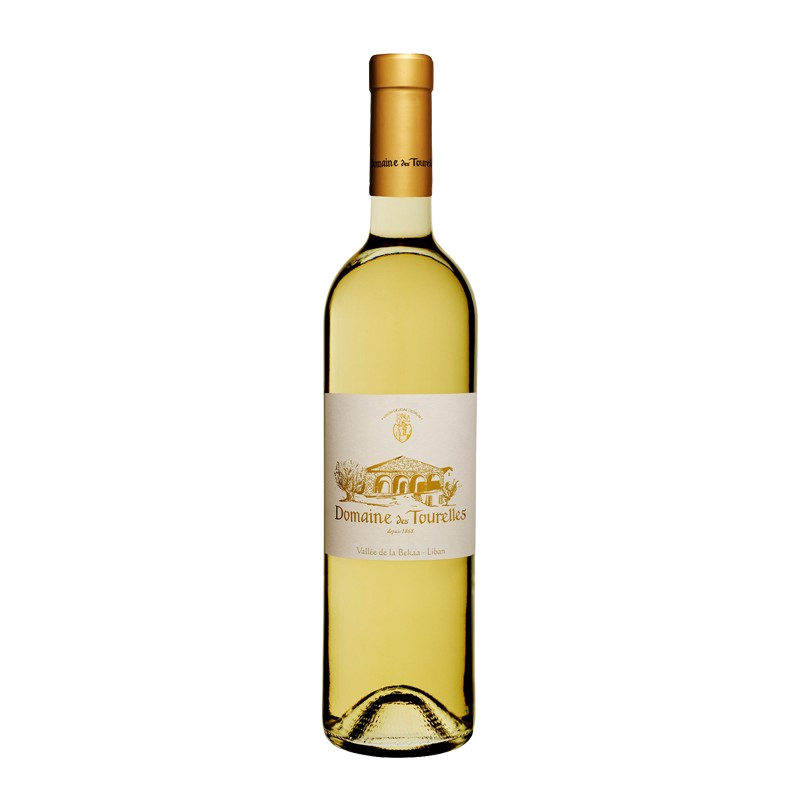
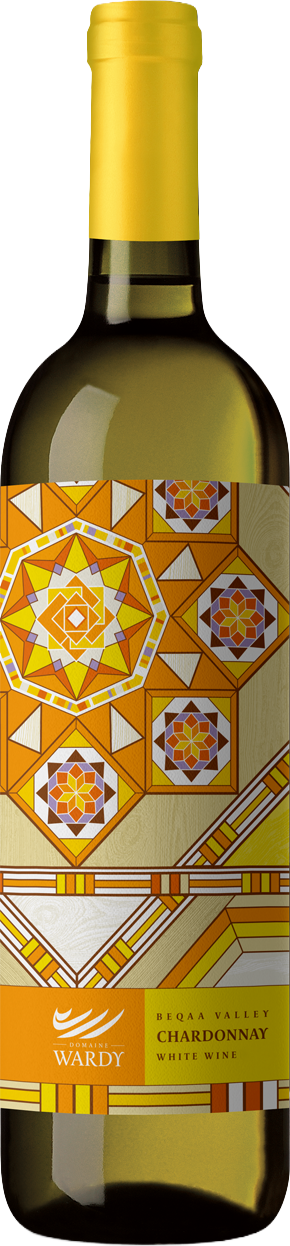
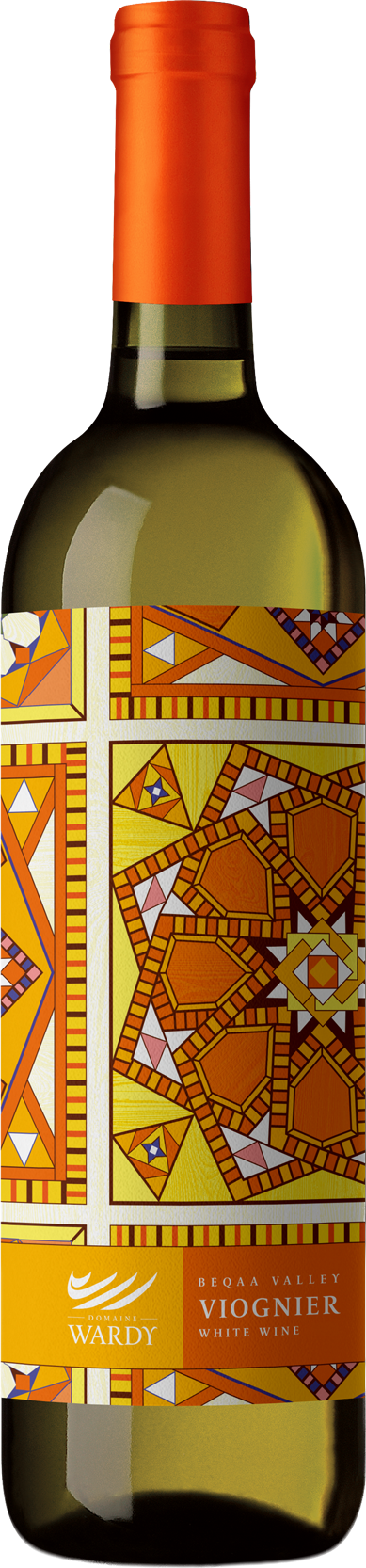
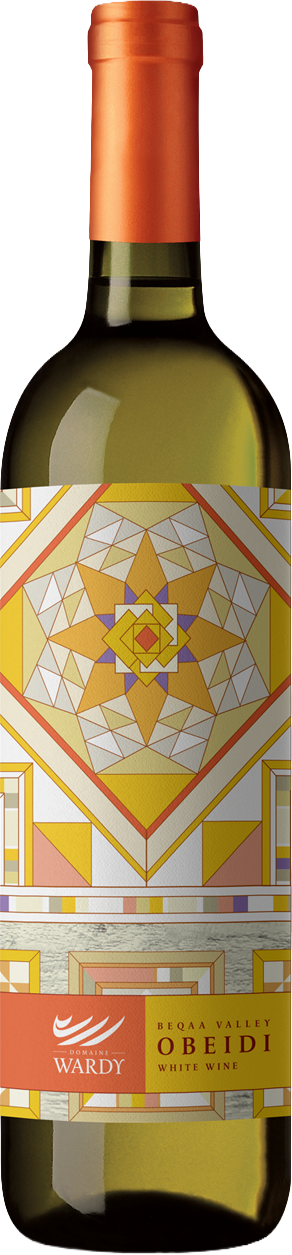
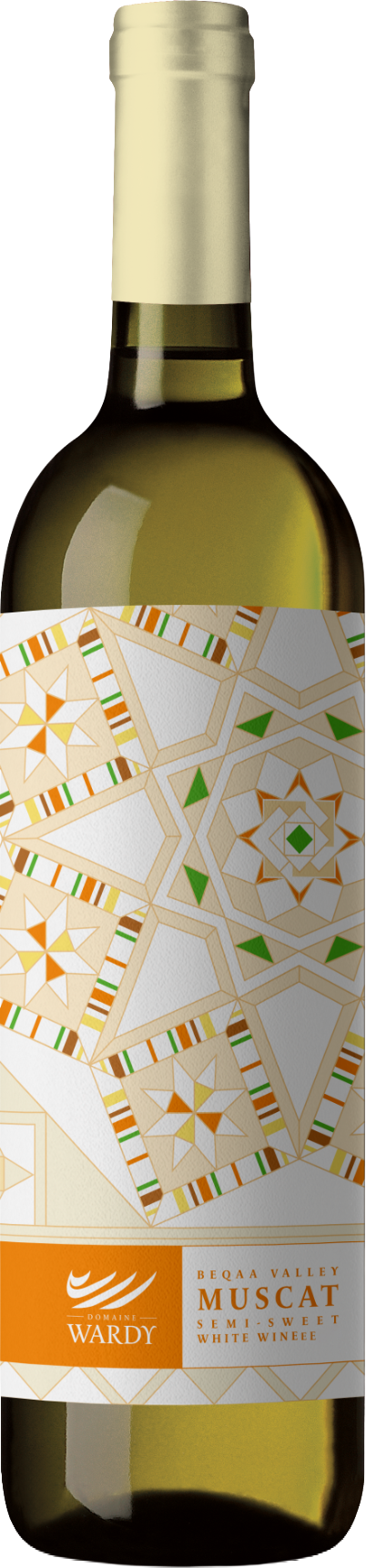
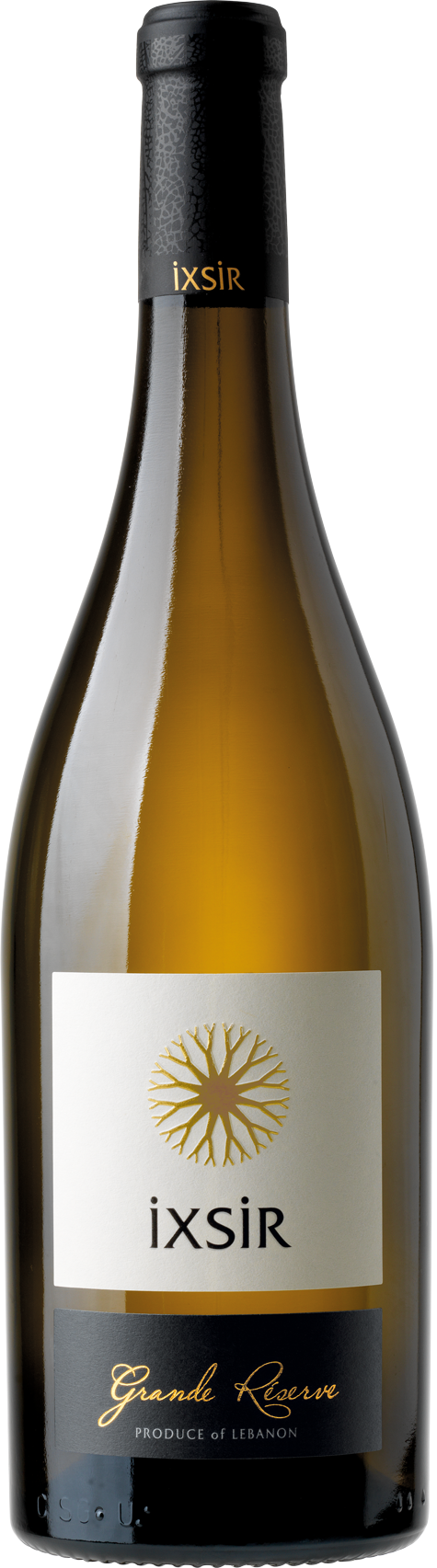
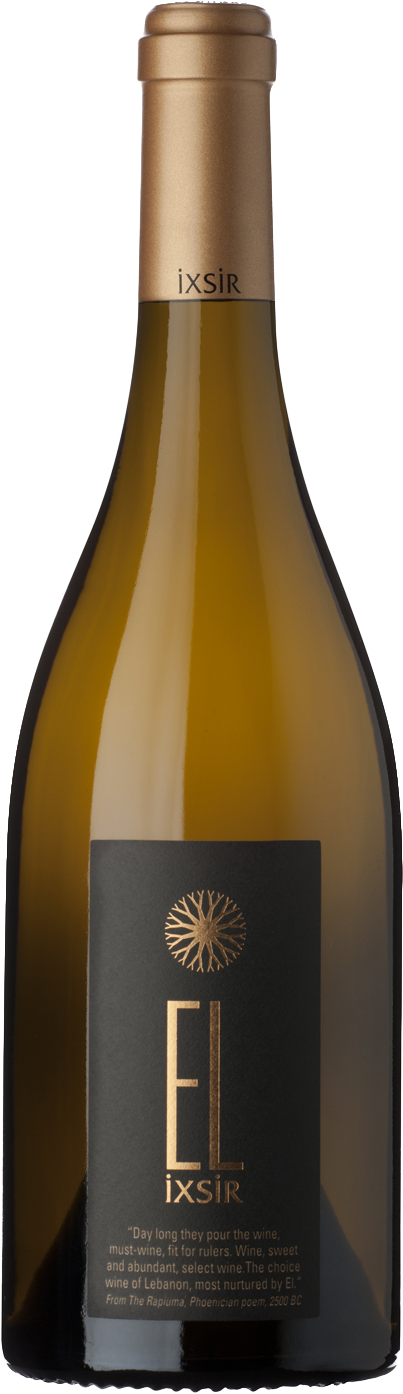
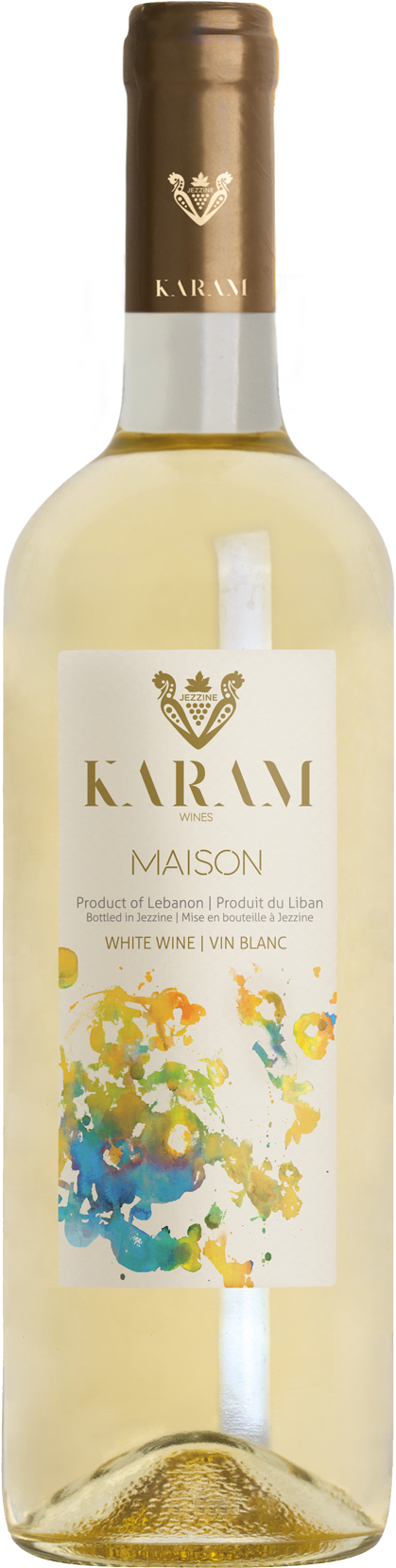
Look for citrus, white peach and herbs in fresh whites, or try a fuller wine with the texture of ripe stone fruit. Obeidi and Merwah give a starting point for exploring local varieties.

Home / Wine Styles
Origin · Taste · DiscoveryMountain vineyards, Mediterranean sunshine and a wide mix of grape varieties shape the wines of Lebanon. Explore the character of its whites, rosés, reds and sparkling wines.
Explore all 180 winesLebanon’s wineries work with vineyards as different as the Bekaa Valley and the hills above the Mediterranean coast. Some grow local grape varieties such as Obeidi and Merwah. Others bring their own approach to familiar varieties such as Cinsault, Syrah and Chardonnay. Tasting across the styles brings out what each grower and vineyard contributes.
Pour a white wine with a citrus edge next to a red with ripe plum and spice, and the range becomes immediately apparent. Lebanese wines can be fresh and lightly textured or full-bodied and shaped by ageing. In a dry rosé, red berry aromas can bring a sense of fruitiness while the finish stays dry. Aroma, sweetness and body are separate clues to the wine’s style.
The balance of the wine depends on the grape and the choices made along the way. Sun and warmth help grapes ripen. The timing of the harvest, water available to the vines and work in the cellar all affect how ripe fruit, acidity and texture come together. Try comparing those qualities before looking for individual aromas.
The Bekaa Valley sits at elevation between Mount Lebanon and the Anti-Lebanon mountains. Vineyards differ in exposure, soil and access to water, even within the valley. Around Batroun, a journey inland leads from maritime conditions to growing sites higher in the hills. An individual winery can work with fruit from more than one of these settings.
Cooler growing conditions can slow ripening and help grapes retain acidity. Soils with different amounts of clay, limestone or stone influence how much water the vines can access. By opening a wine profile alongside a tasting, you can check the vineyard information and see how it fits with the wine’s grapes and texture.
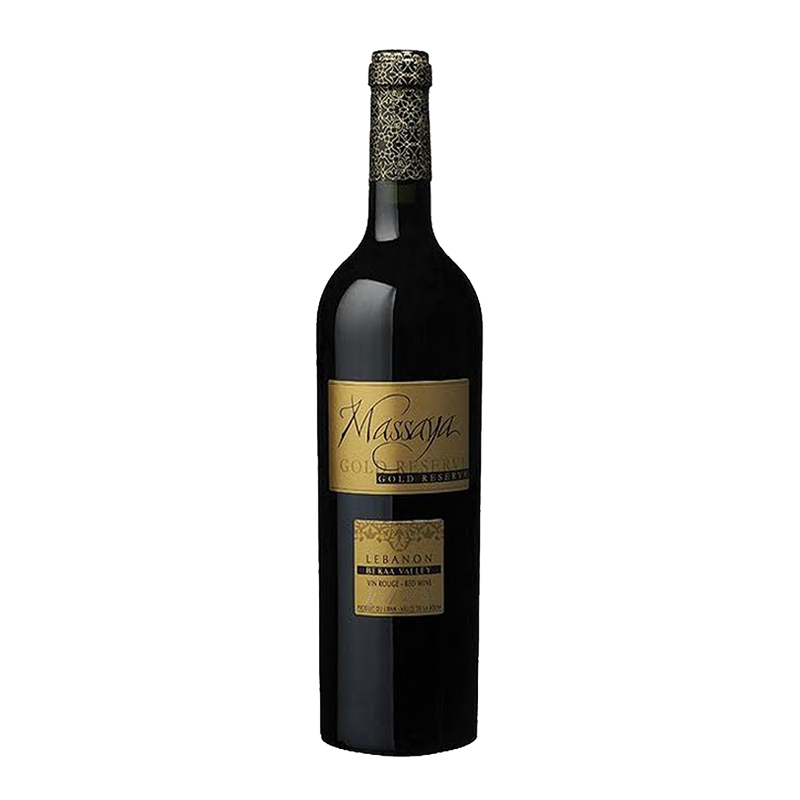
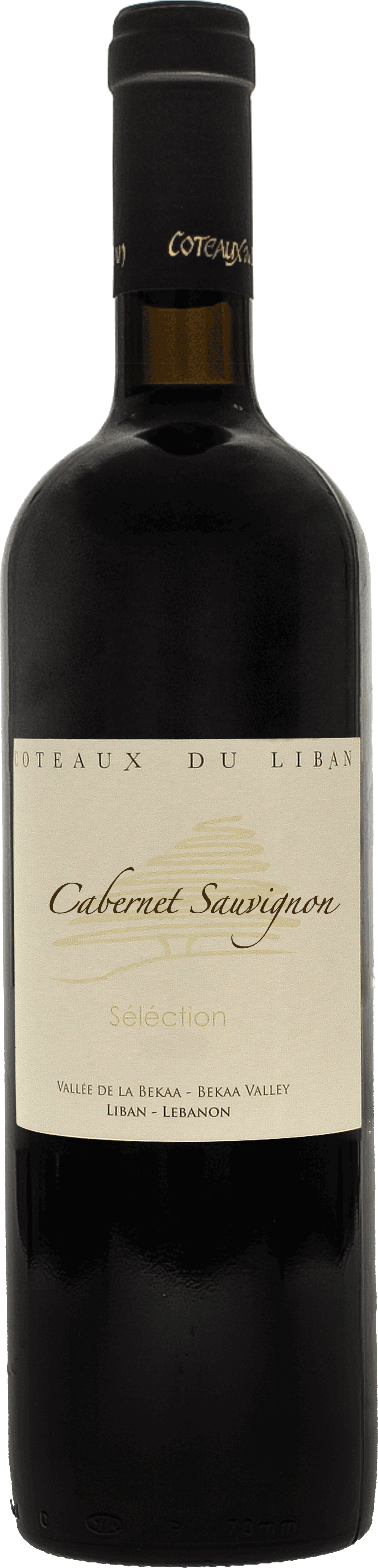
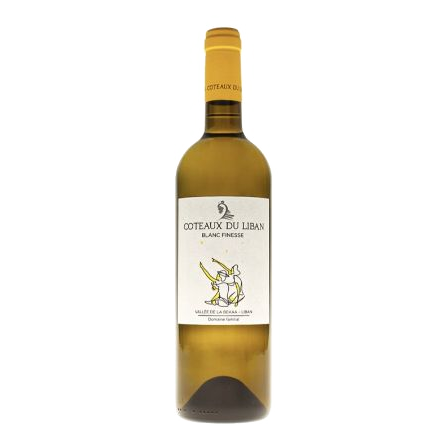
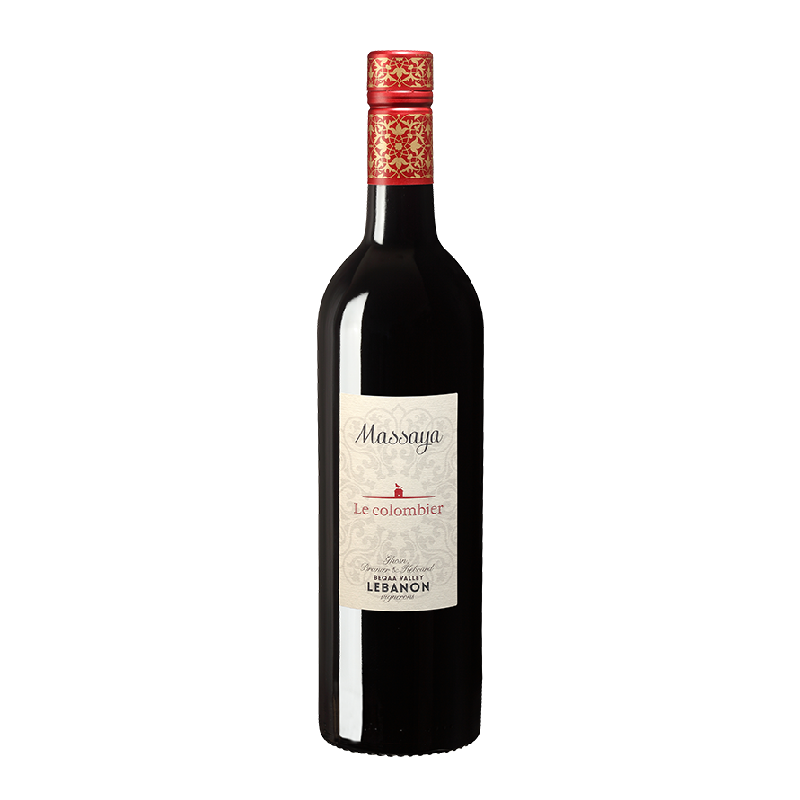
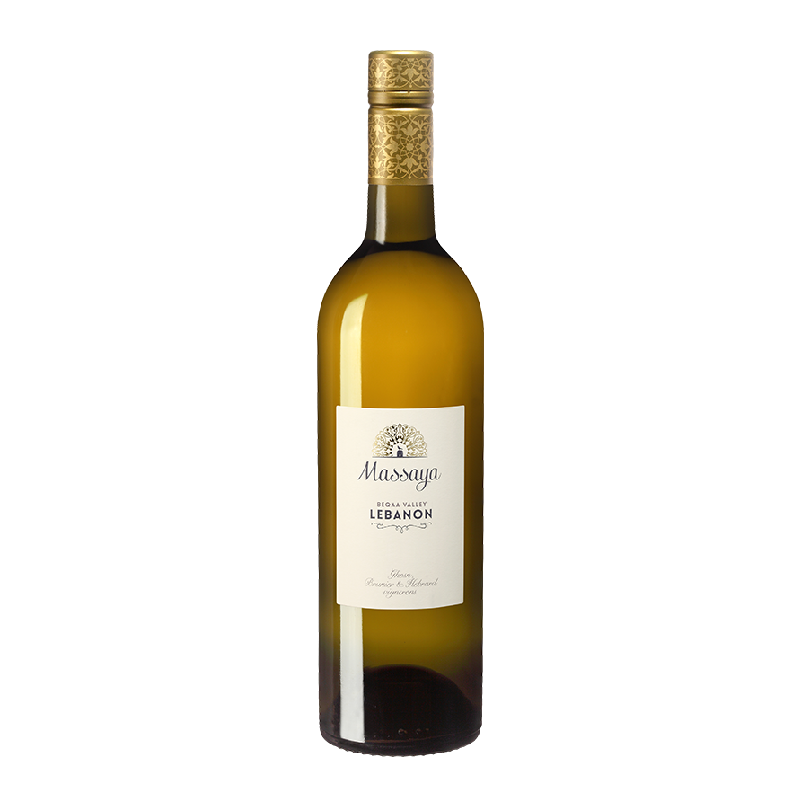
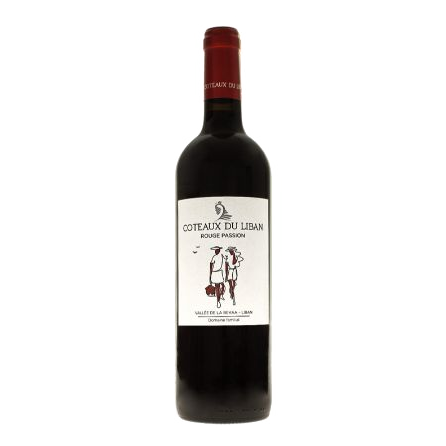
French grape varieties and training have influenced Lebanese winemaking. At Massaya, the Ghosn family worked with partners in Bordeaux and the southern Rhône. Coteaux du Liban took a different route. Its founder, Nicolas Abou-Khater, trained in Burgundy, and the winery’s approach includes concrete and a measured use of oak.
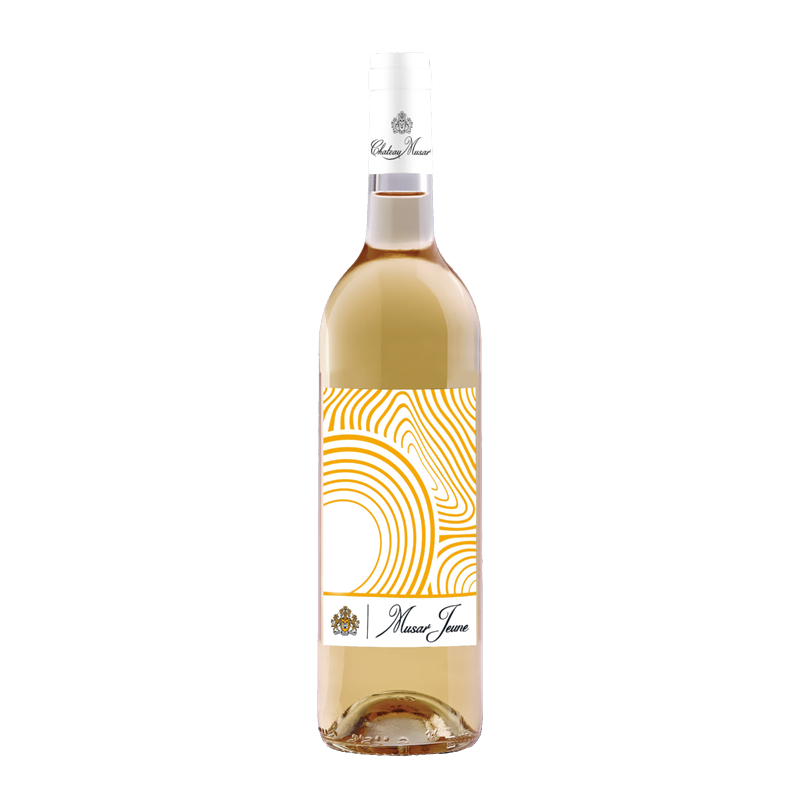
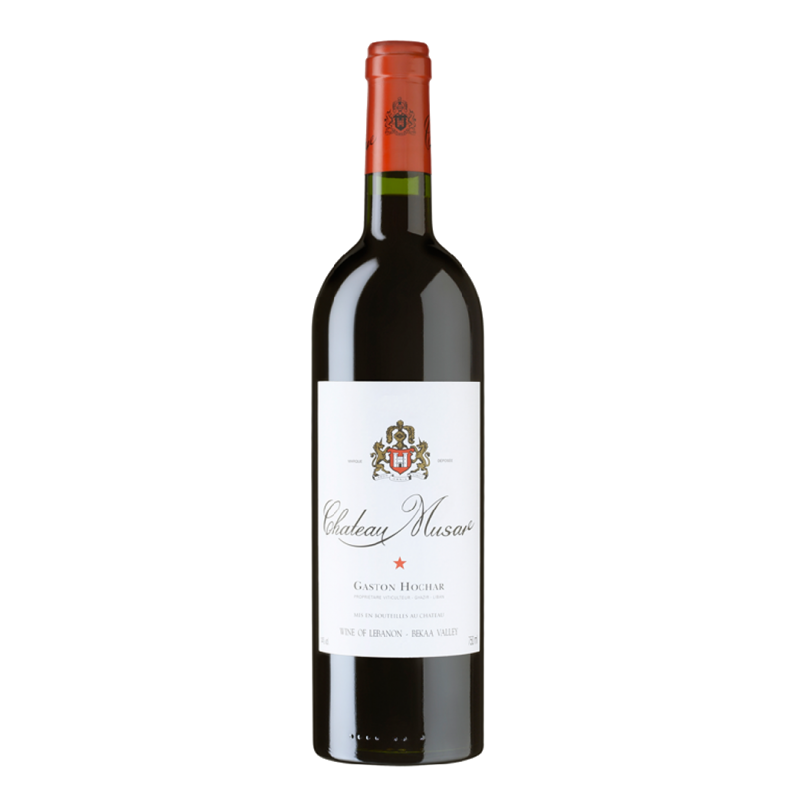
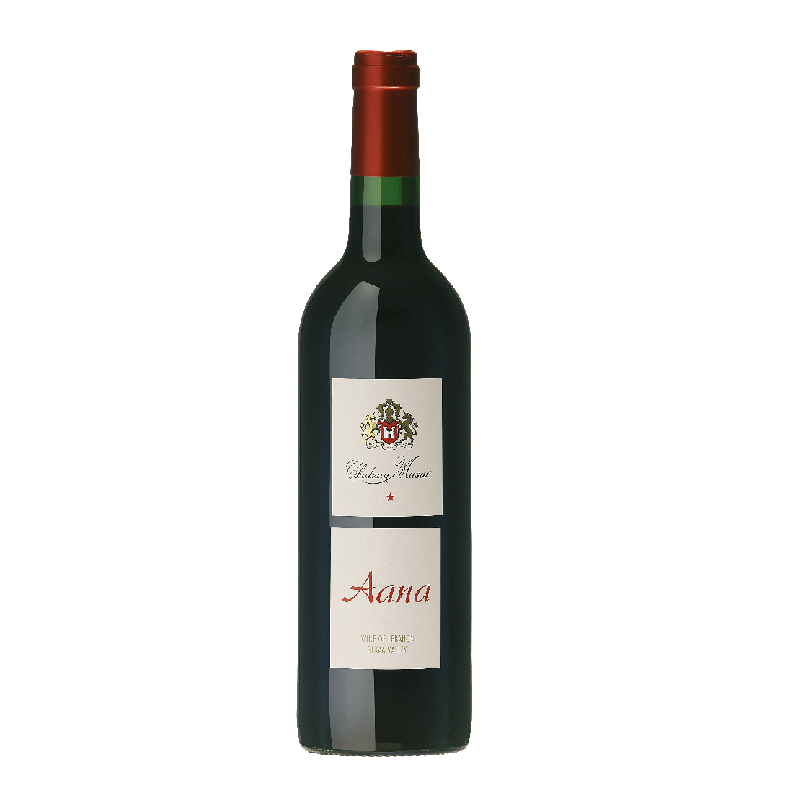
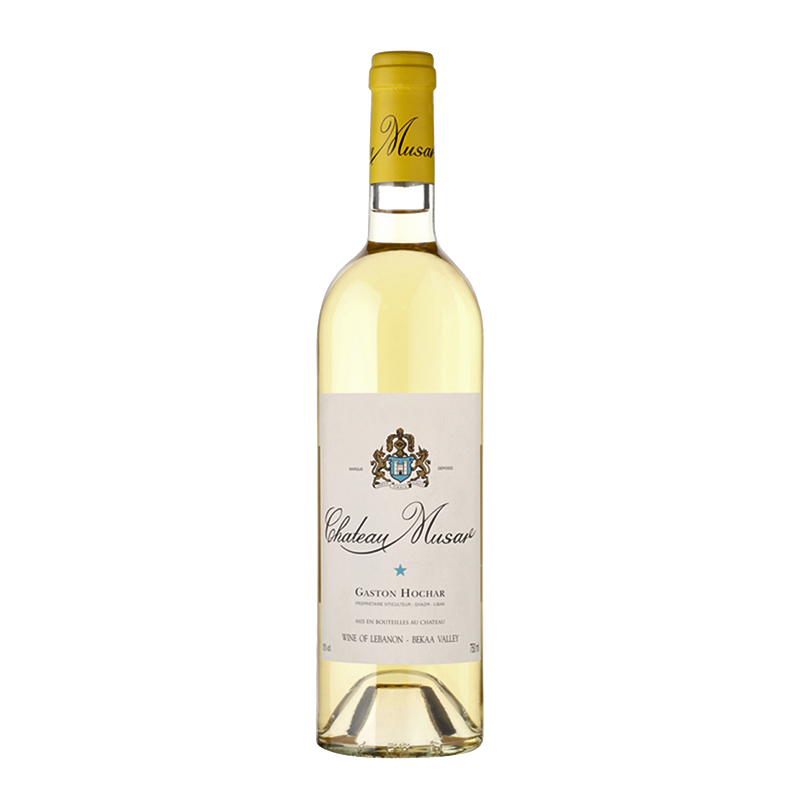
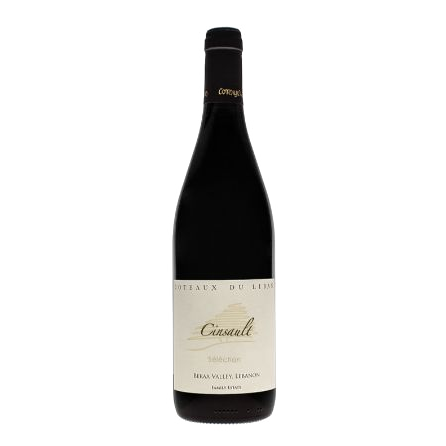
Château Musar offers another starting point. Its approach to ageing makes it a good producer to explore if you are curious about how Lebanese reds develop in the bottle. Then try a younger Cinsault or Syrah-led wine from another estate. The contrast can help you pick out the contribution of grape, cellar and bottle age.
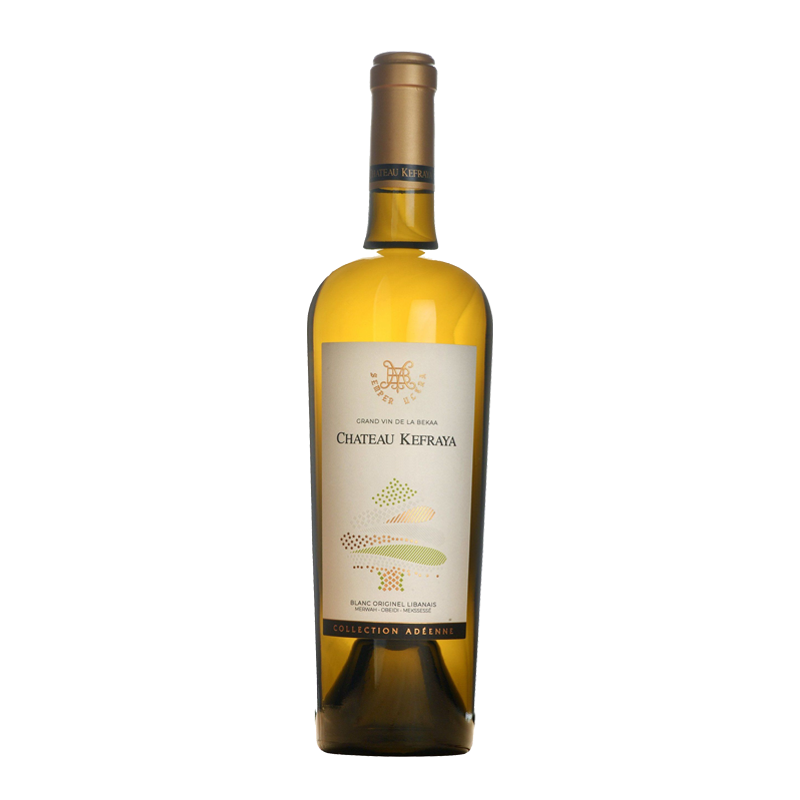
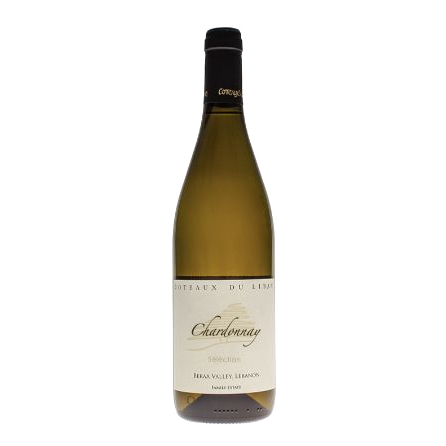
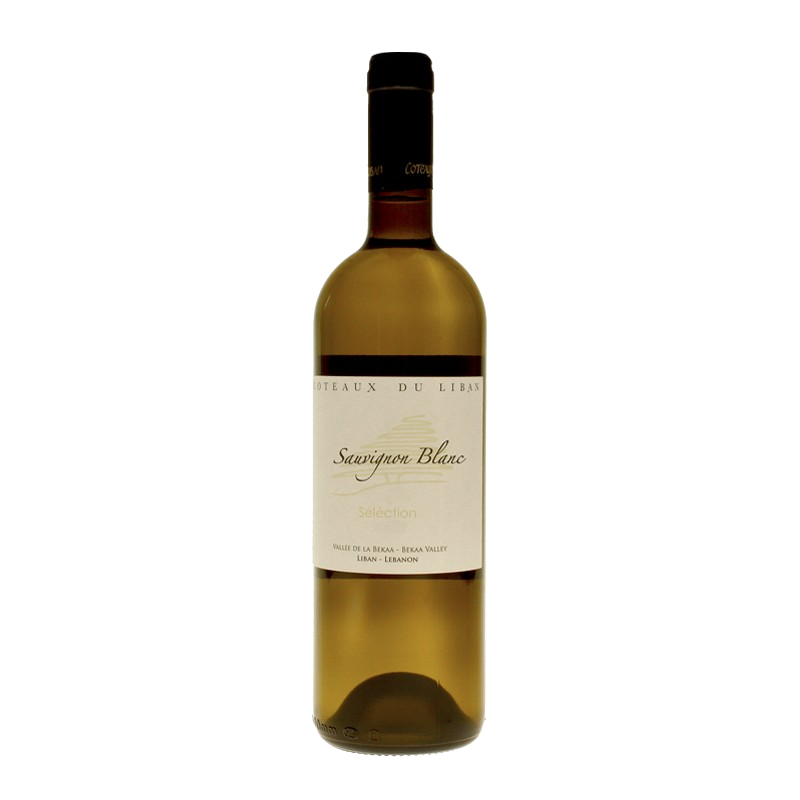
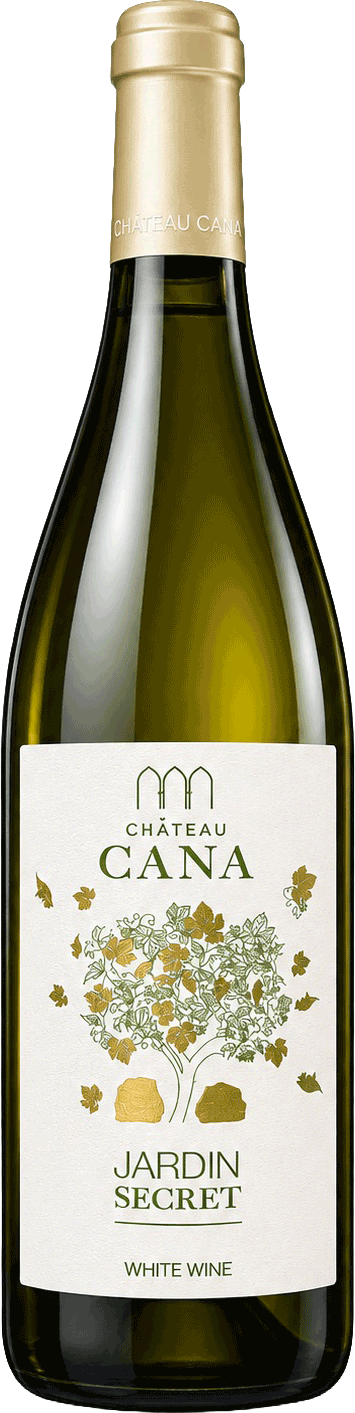
Look out for Obeidi, also written Obaideh, and Merwah when browsing Lebanese whites. For a useful comparison, try a wine from one of these local varieties alongside a Chardonnay or Sauvignon Blanc and note how the wines feel as well as how they smell. Château Cana’s Sabbaghieh offers a local red grape to look for.
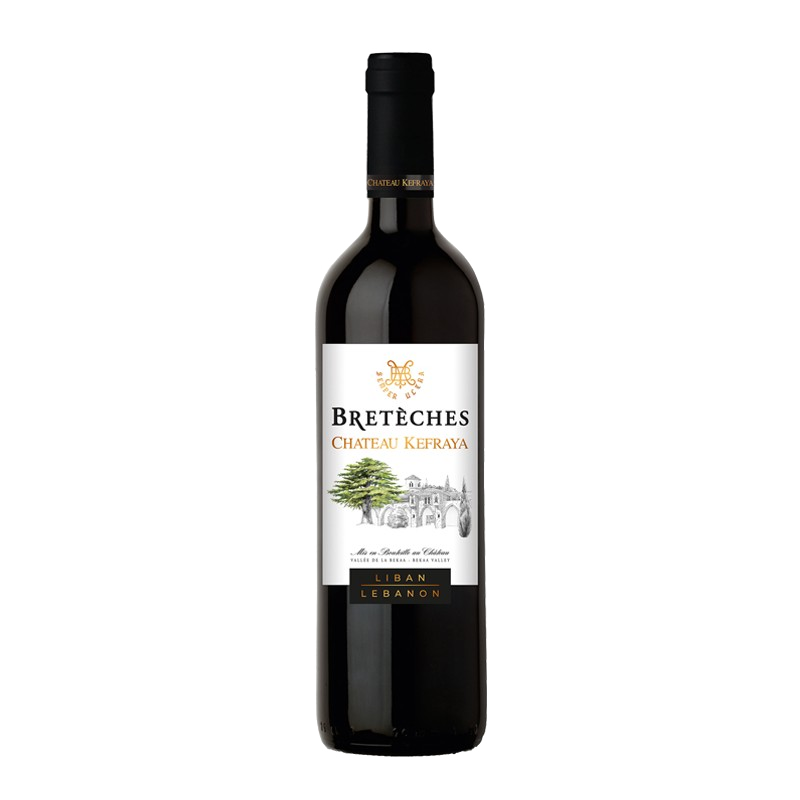
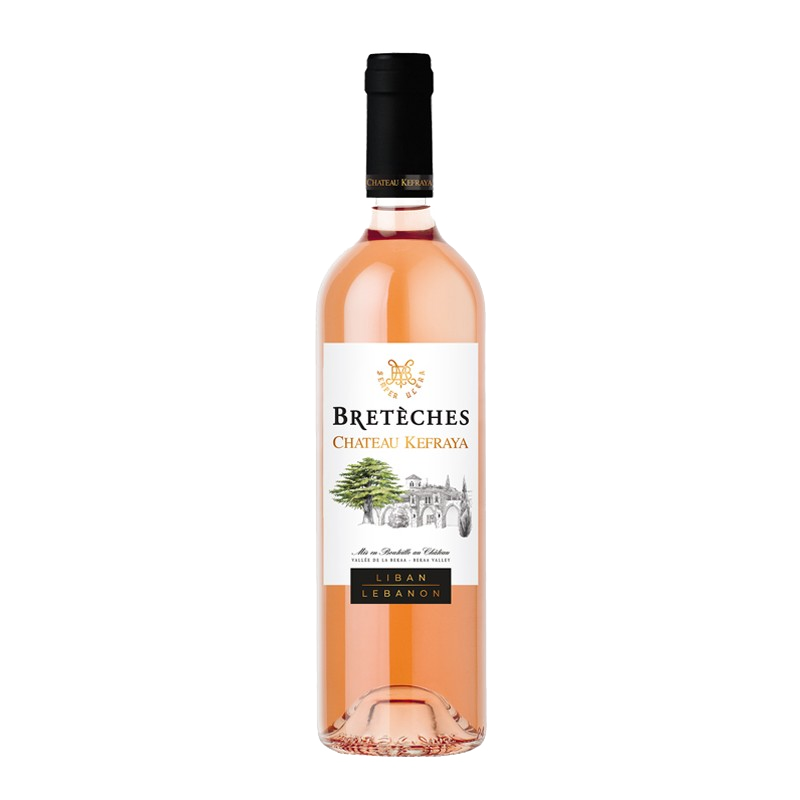
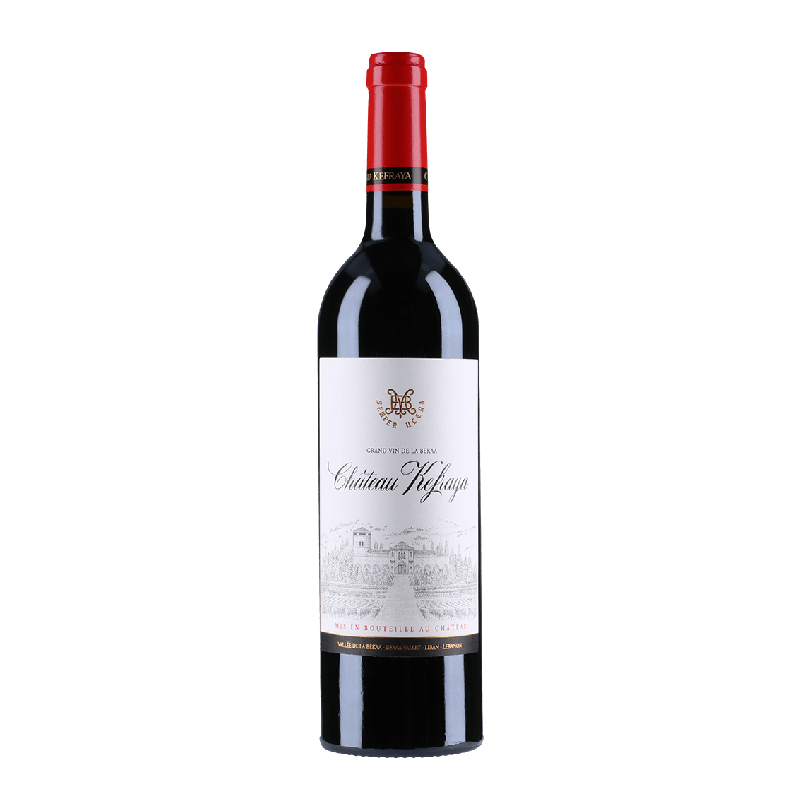
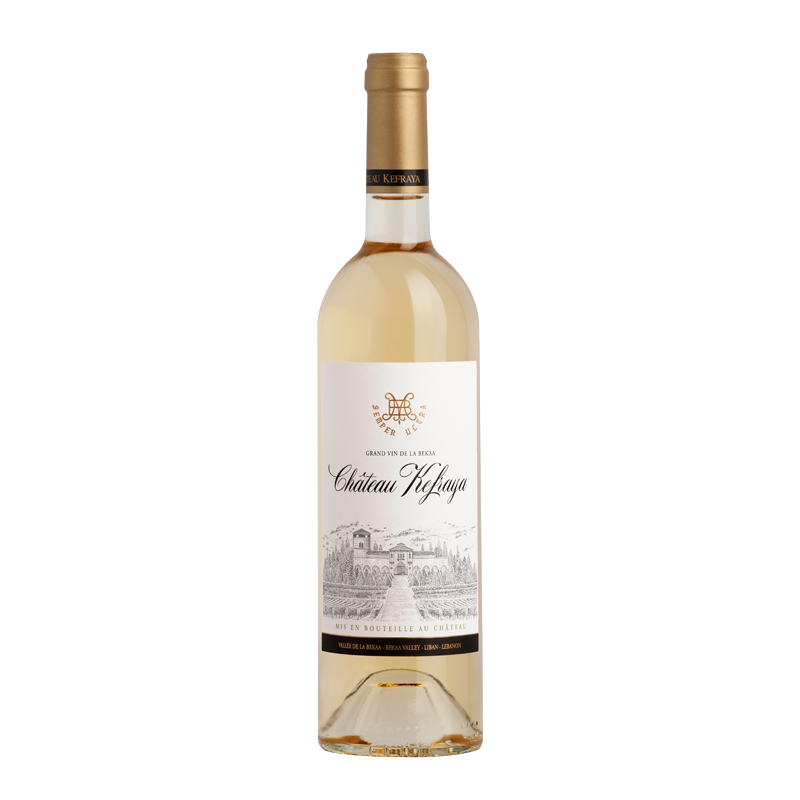
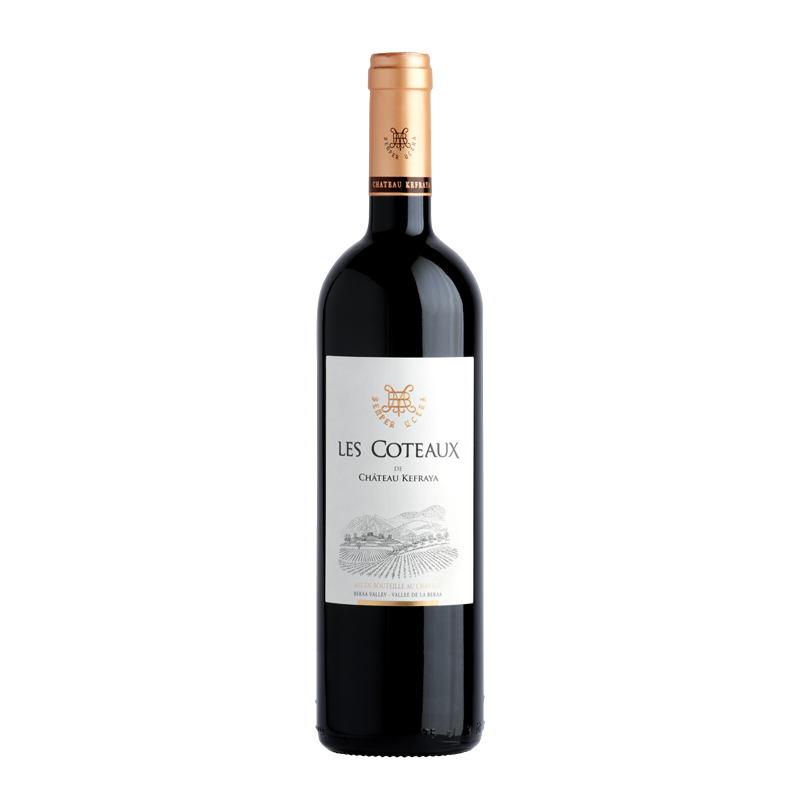
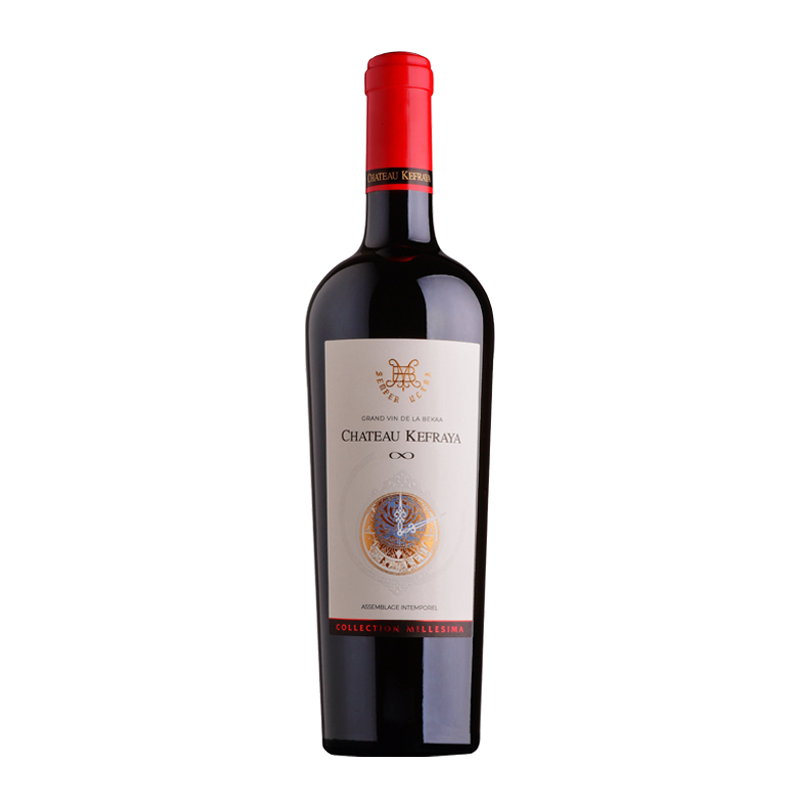
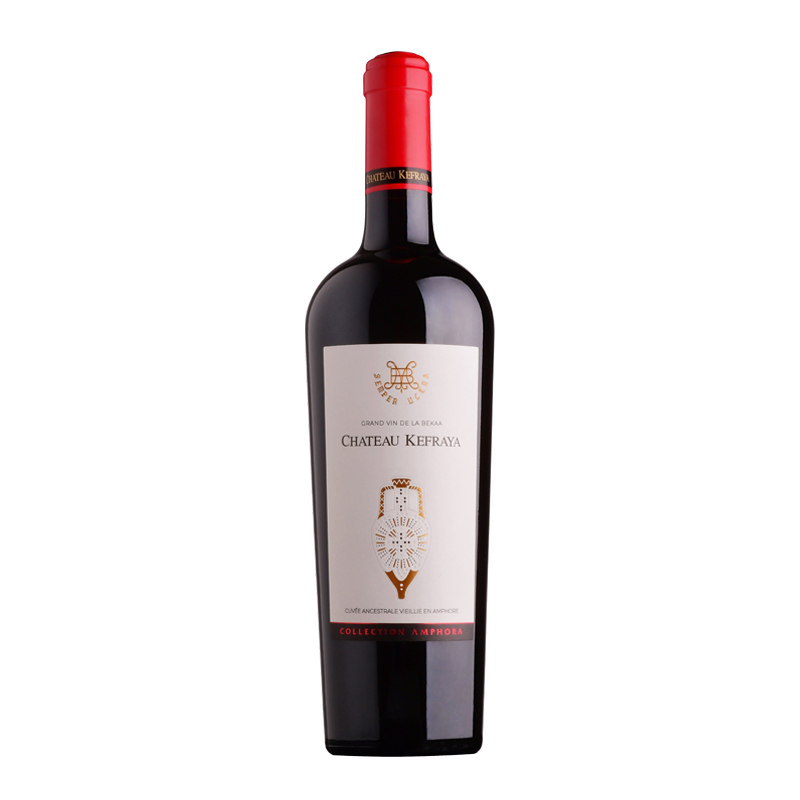
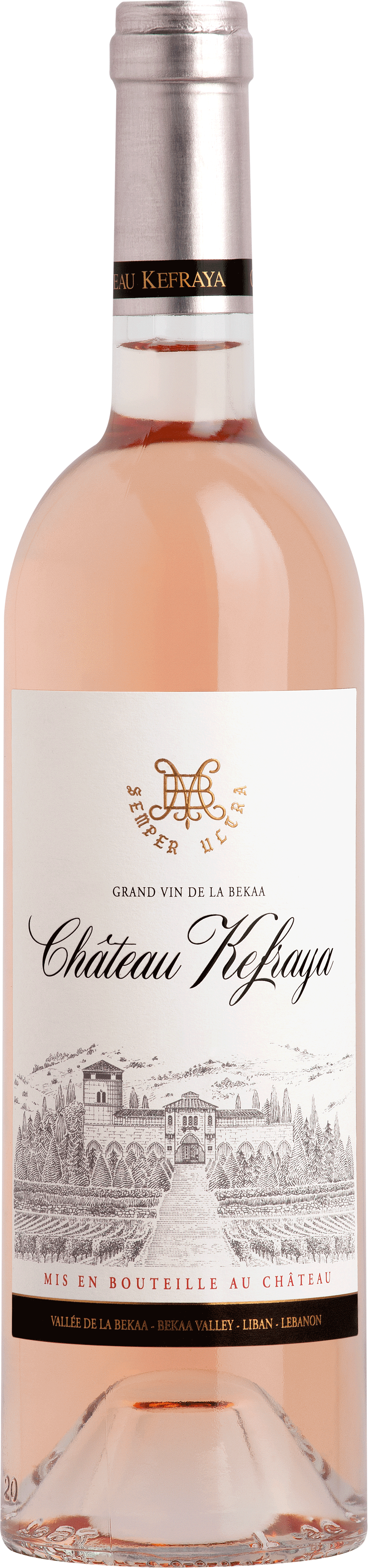
Winery experiments can add a further point of comparison. Château Kefraya, for example, has explored the use of amphorae. Ask which vessel a particular wine was made or aged in, and compare it with a wine built around a different approach. Those details help explain why two wines from the same region may have very different textures.
Start with the occasion. For mezze, fish or grilled vegetables, compare a citrus-led white with a dry rosé. Look for a white with a broader texture when the dish has a creamy or nutty element. If you are choosing a red, decide whether you want supple, fragrant fruit or a wine with firmer tannins and more depth.
For sparkling wine, check the method, sweetness and grape varieties in the individual profile. A fresh, dry sparkling wine can work well at the start of a meal. For a simple introduction to Lebanese wines, try a local-grape white, a dry rosé and a red side by side. Add a sparkling wine to compare how bubbles and acidity change the way a wine feels.
Explore 180 wine profiles from the collection. Compare grape varieties, aromas and styles.
180 wine profiles
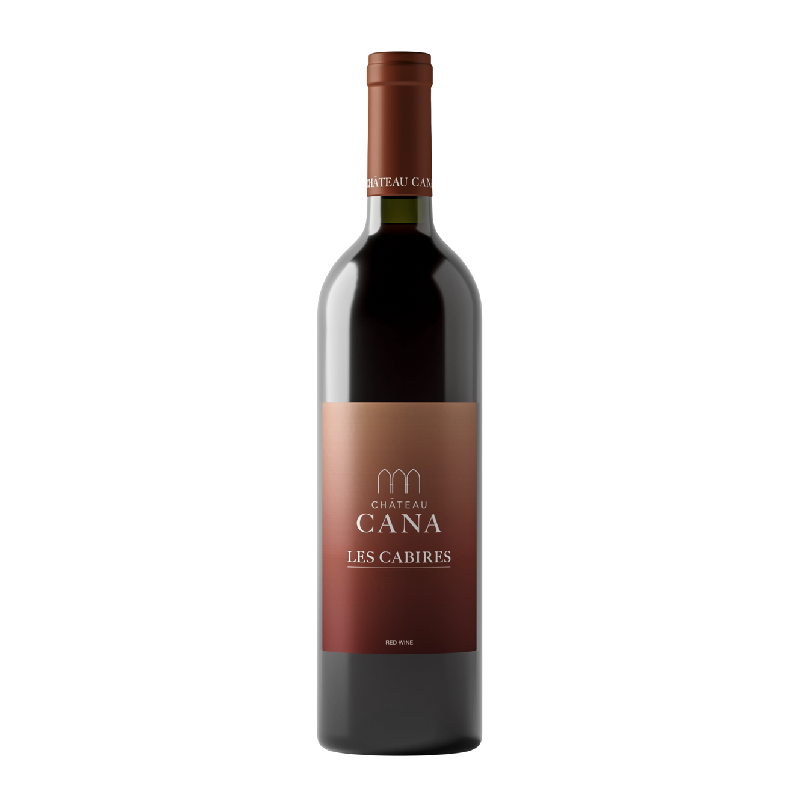
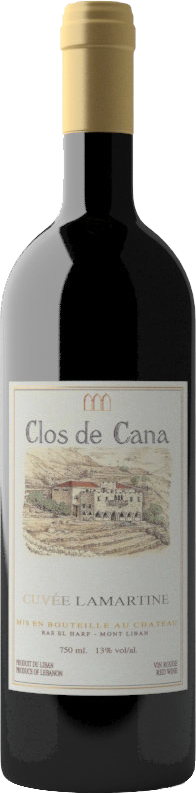
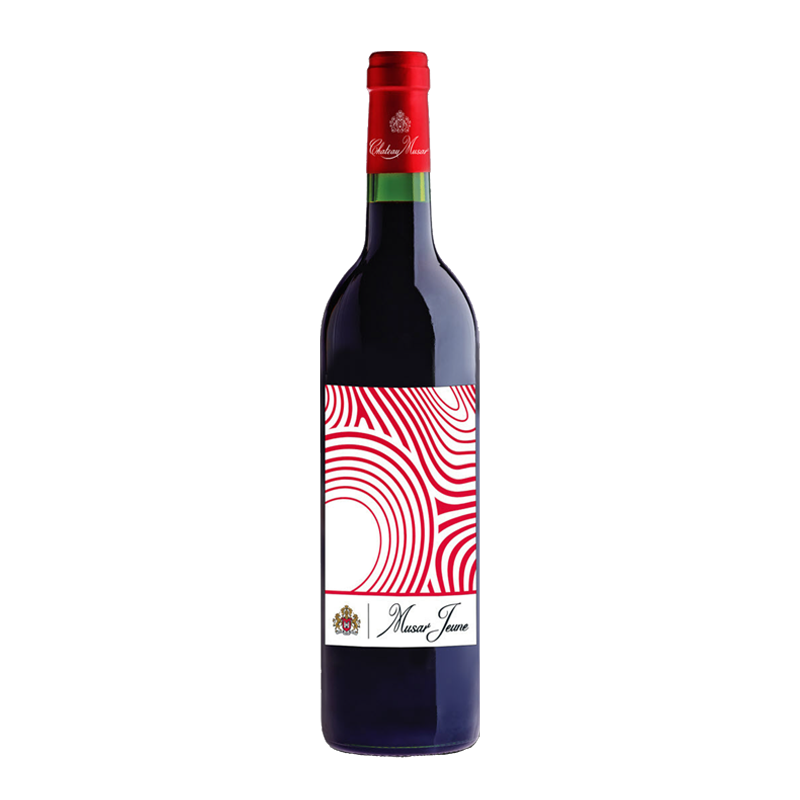
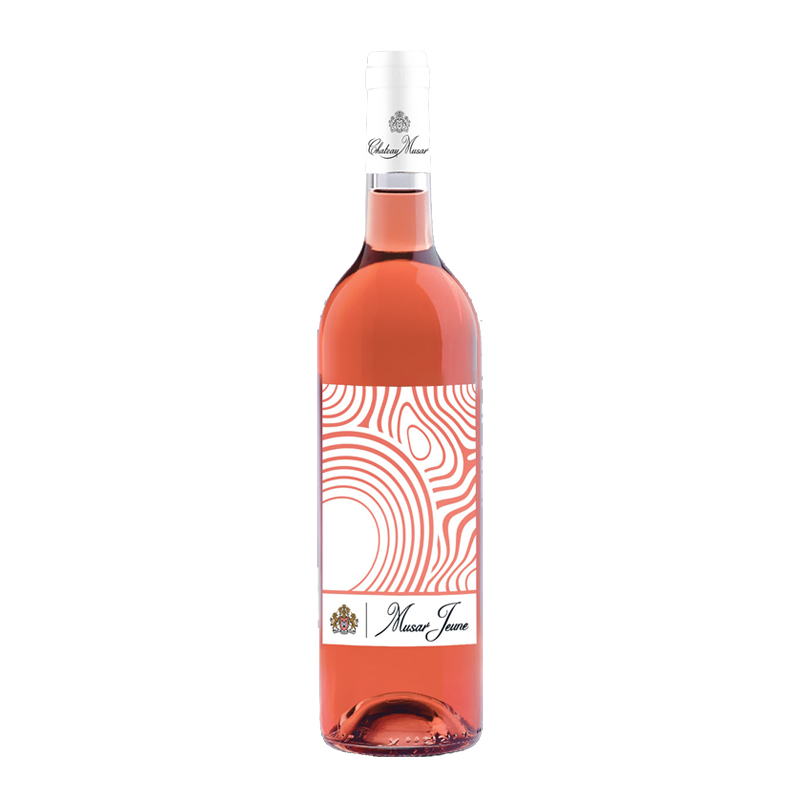
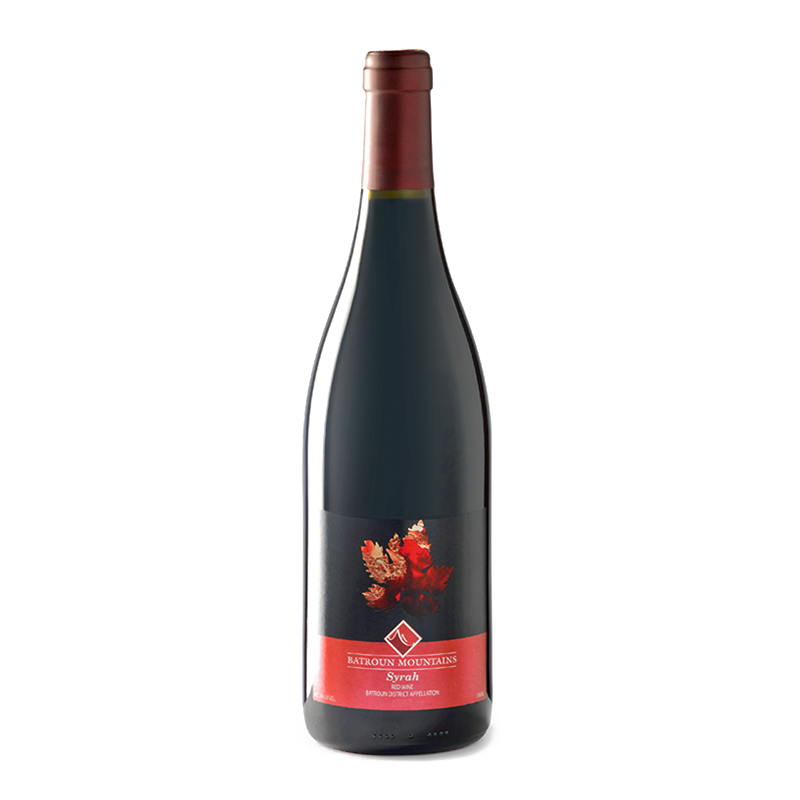
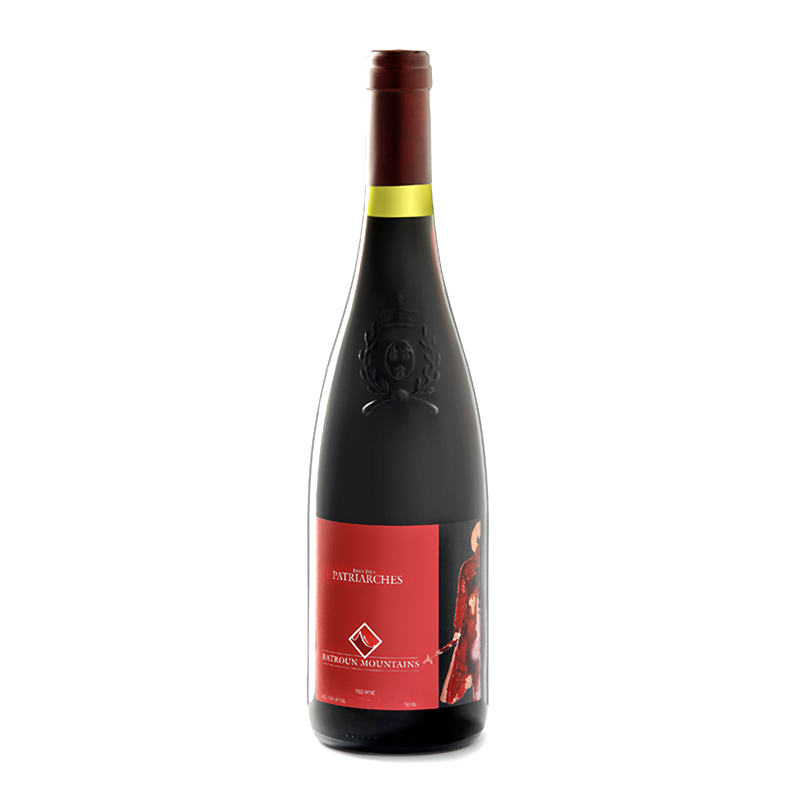
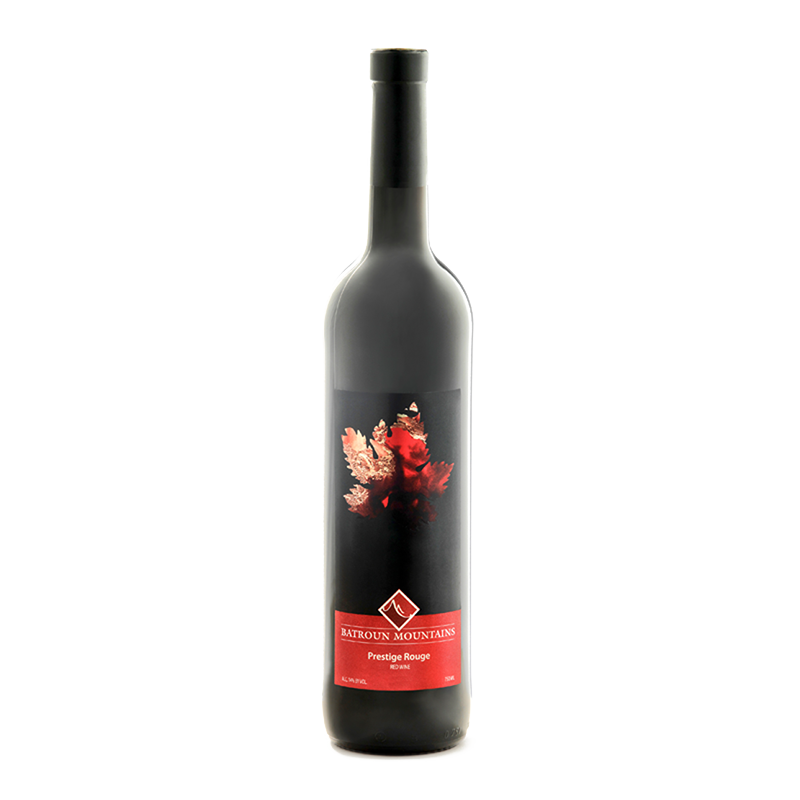
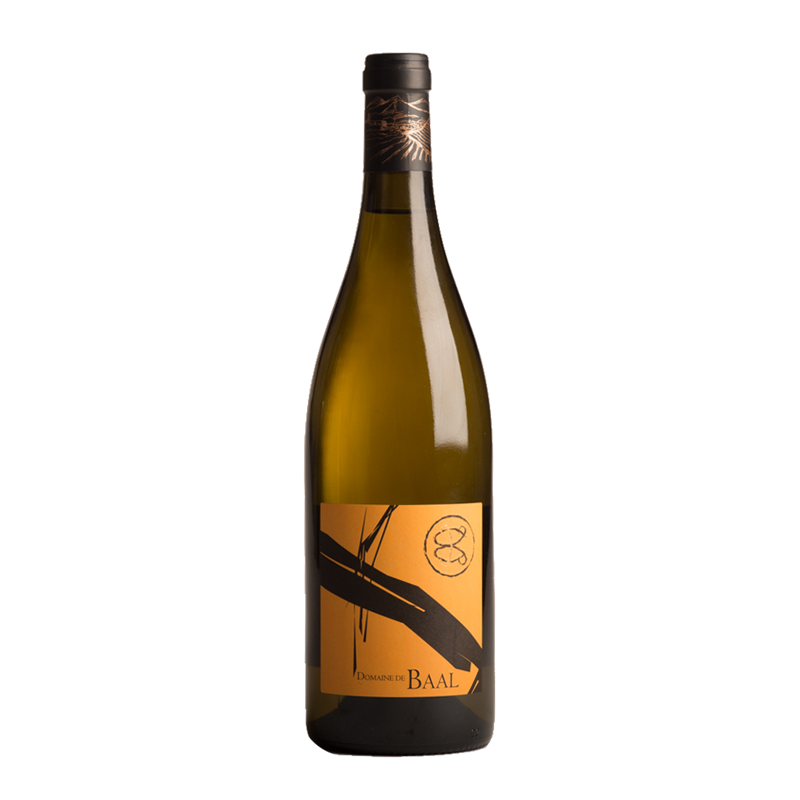
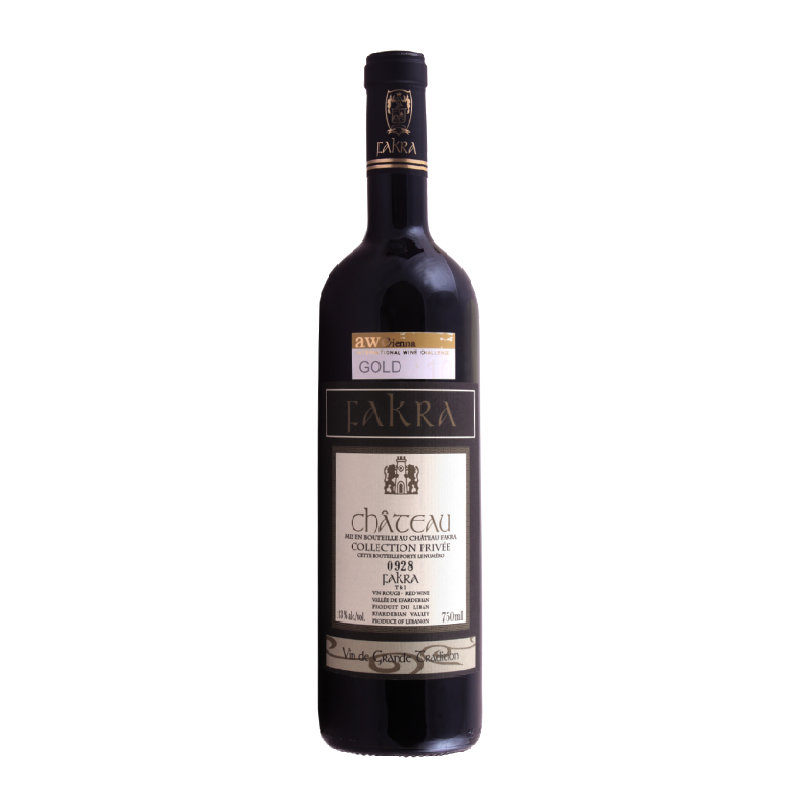
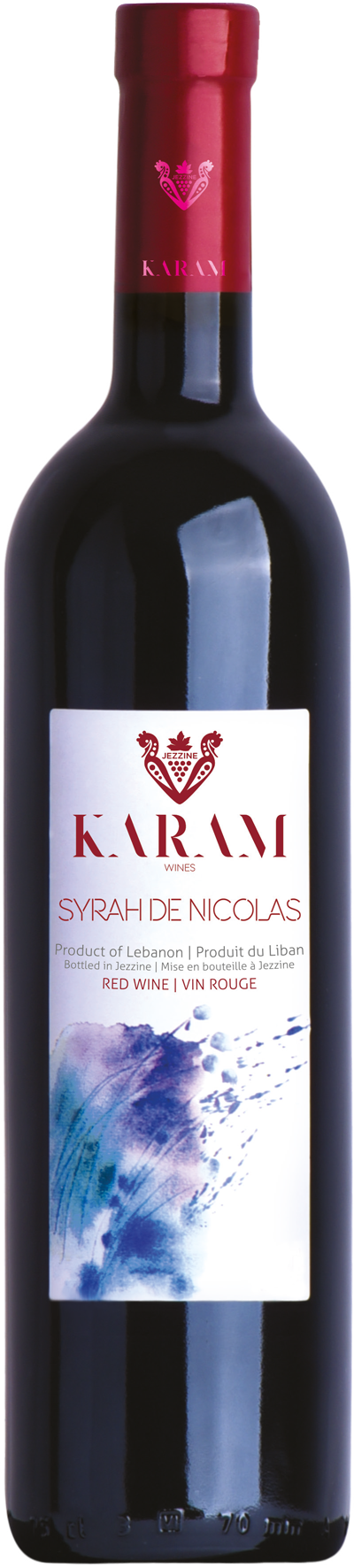
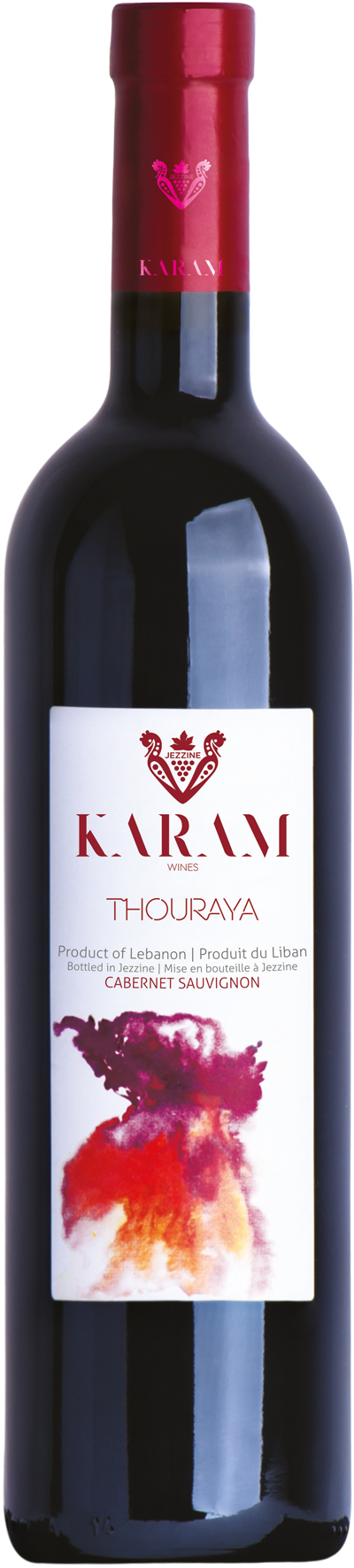
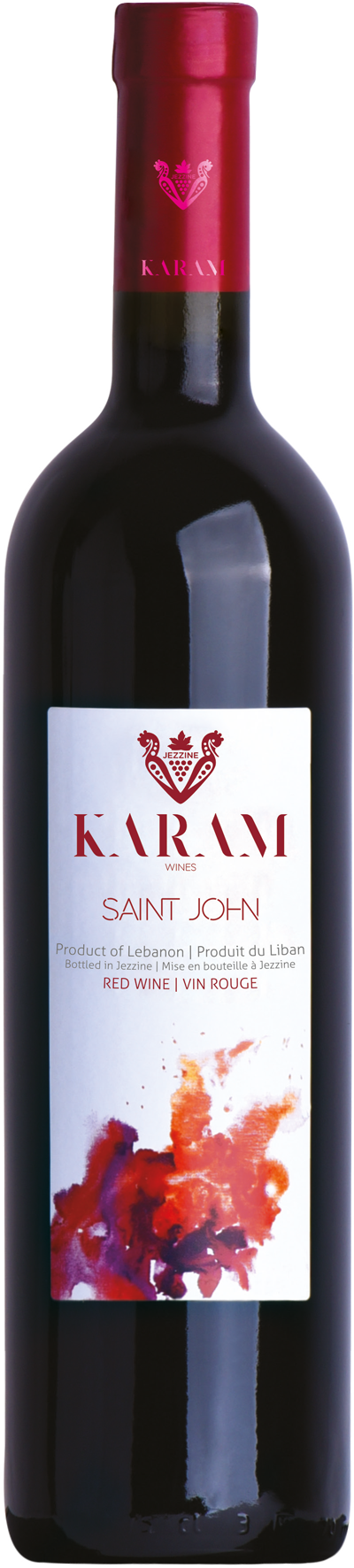
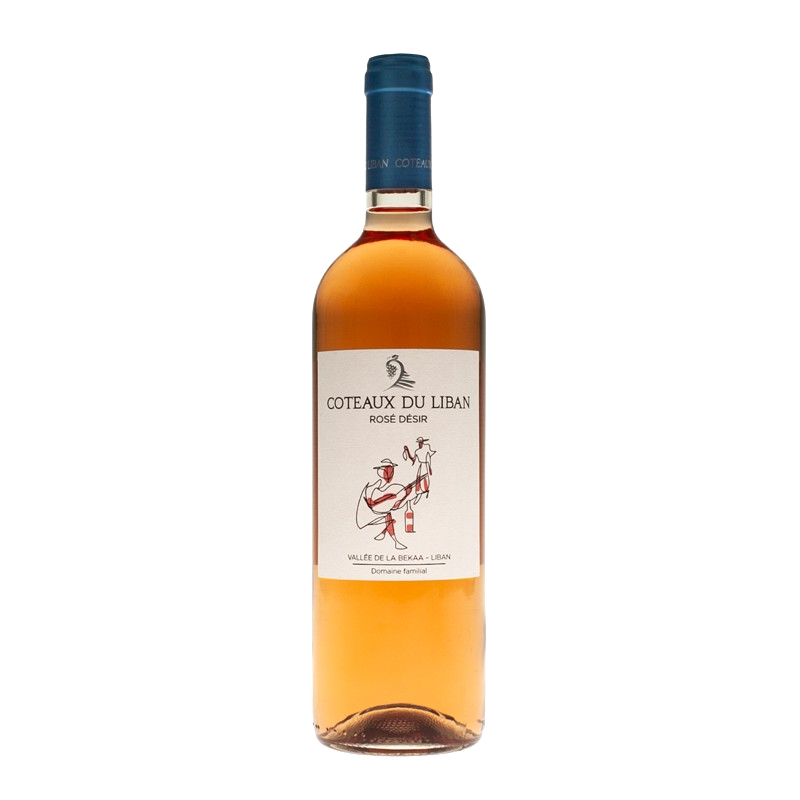
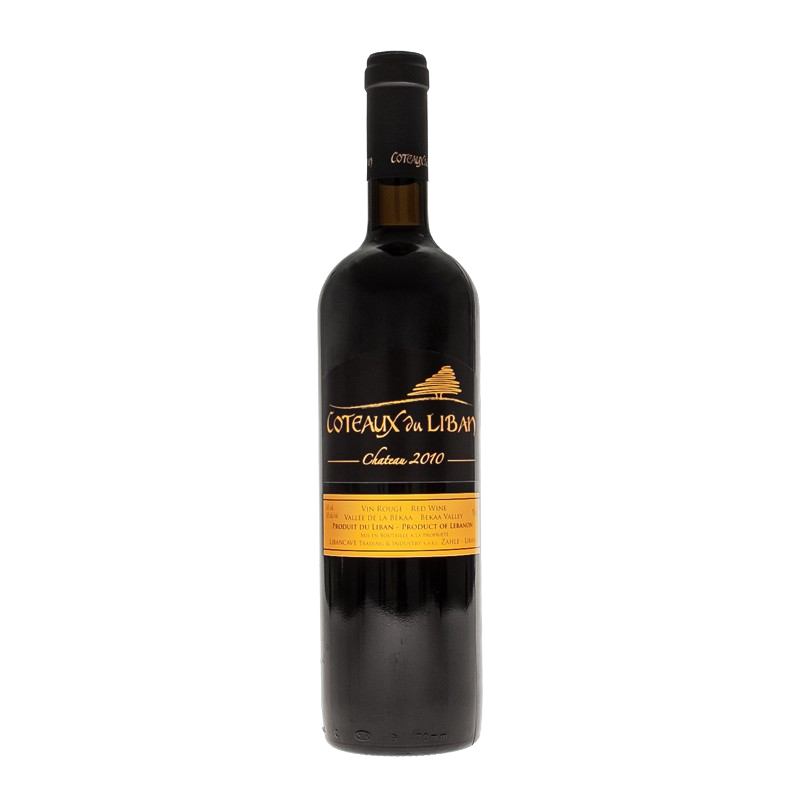
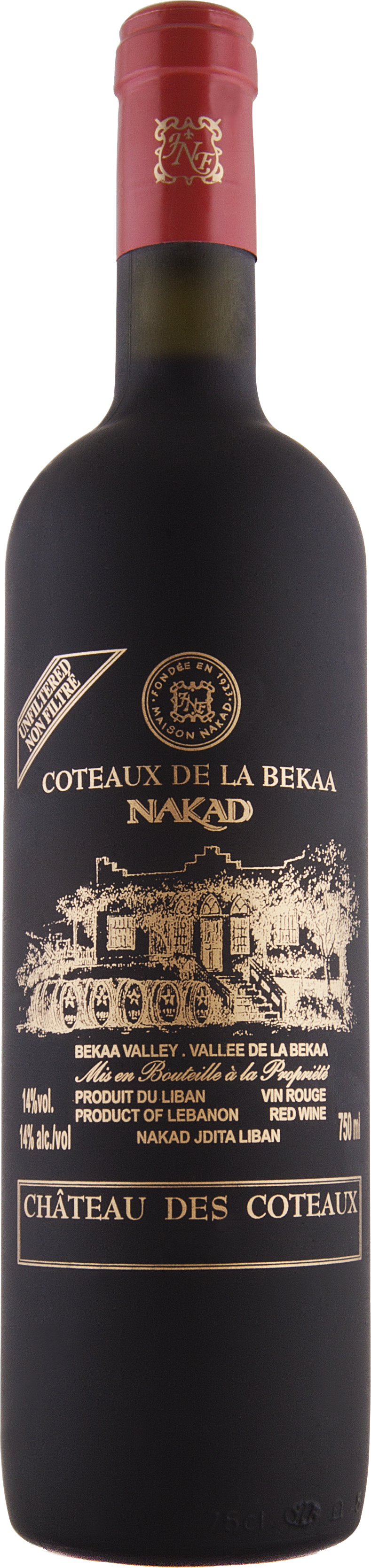
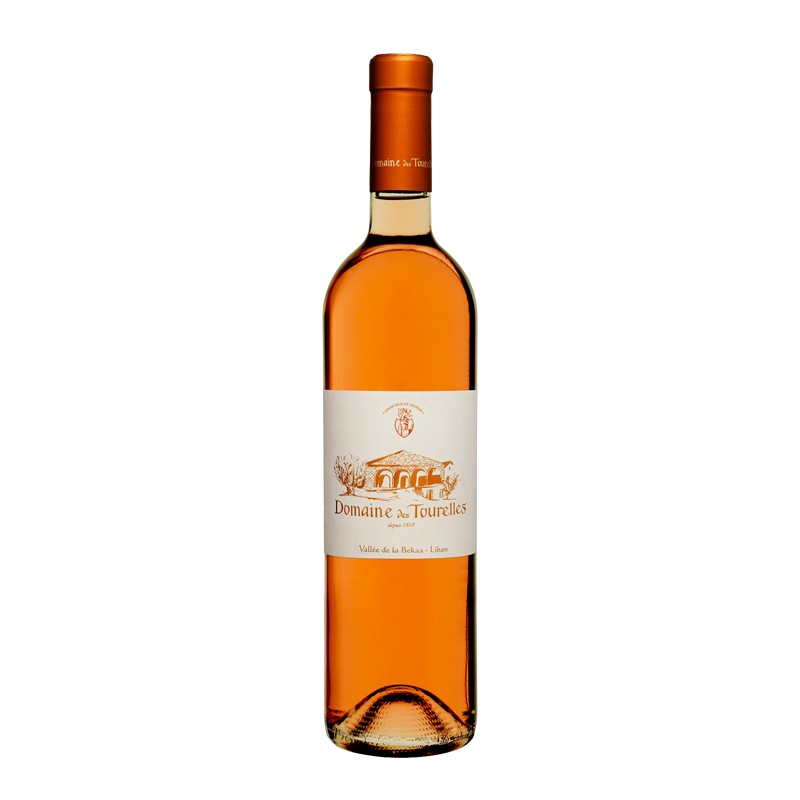
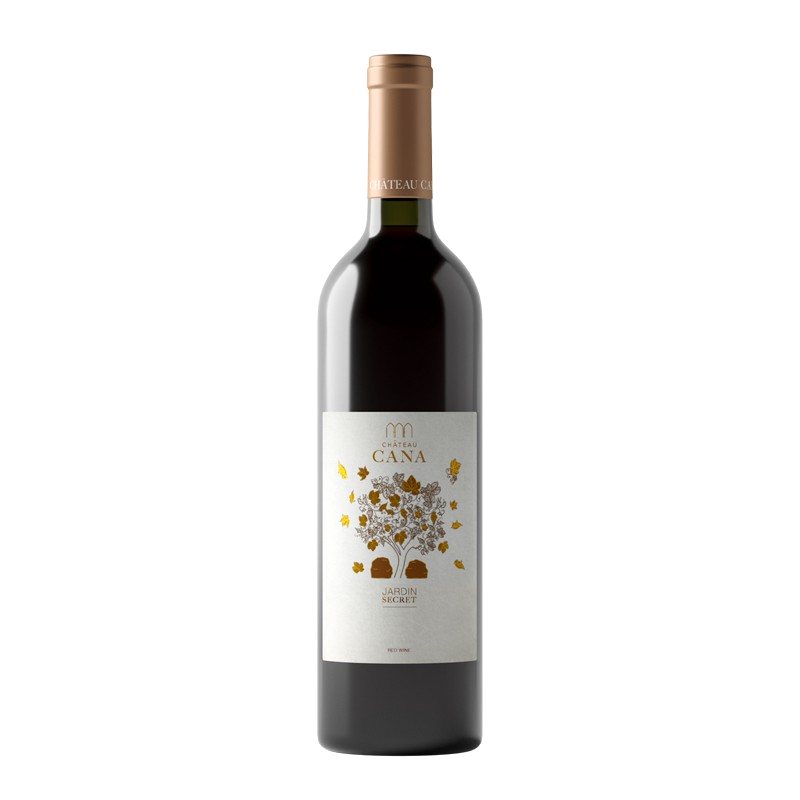
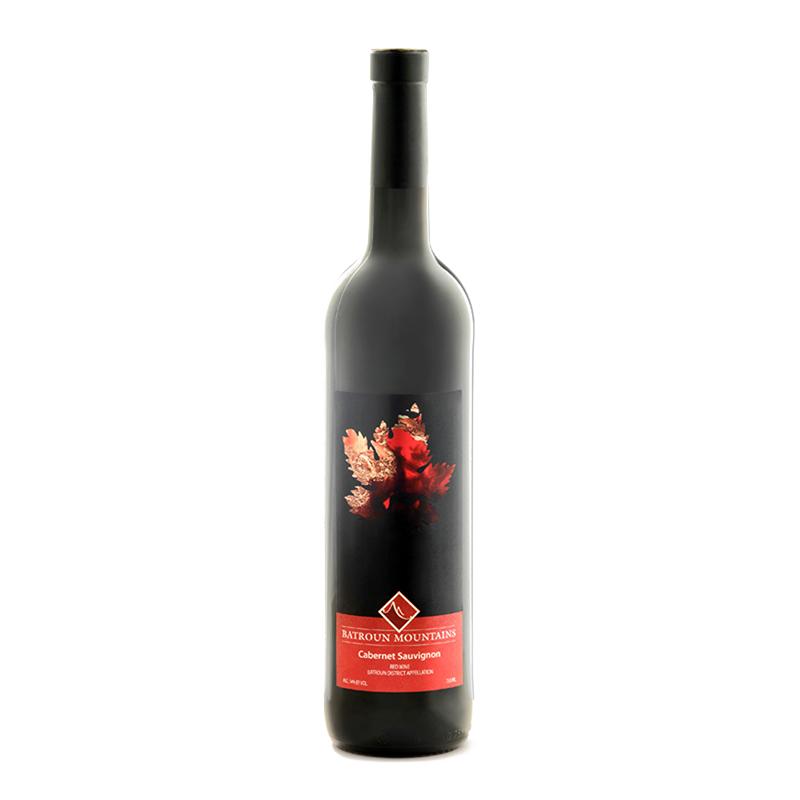
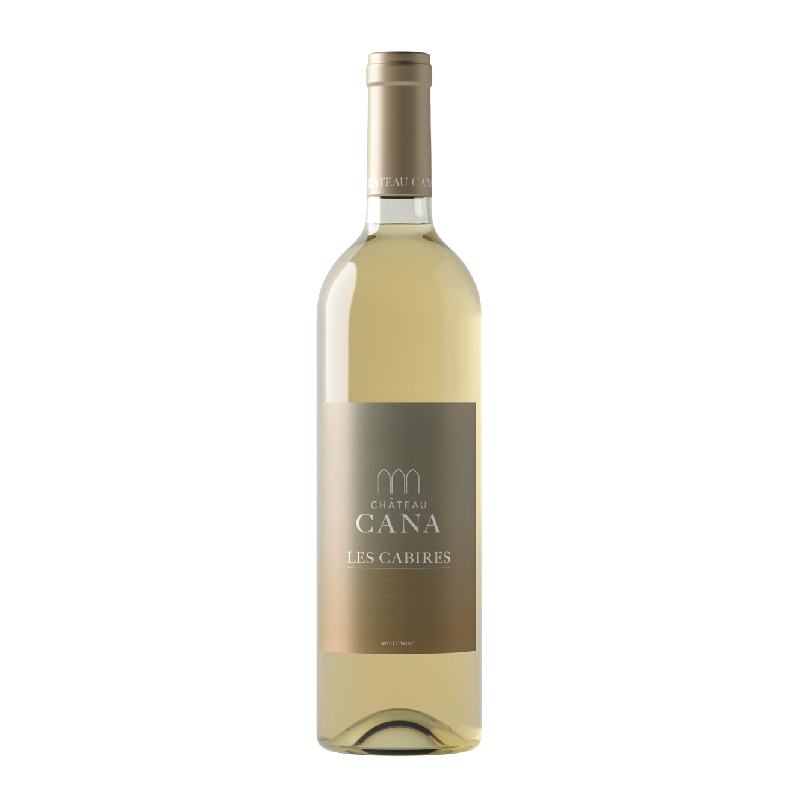
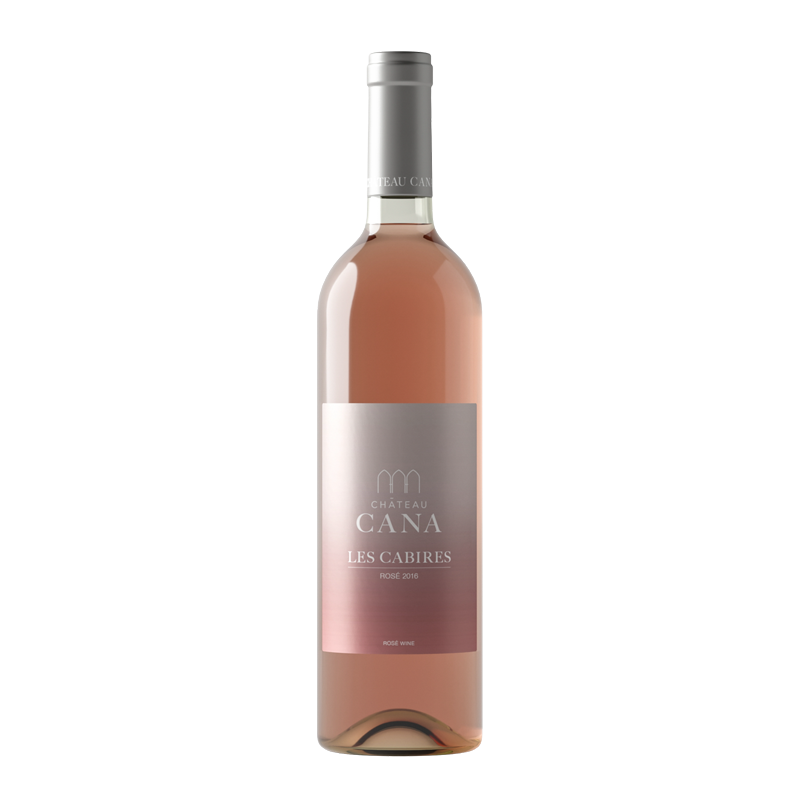
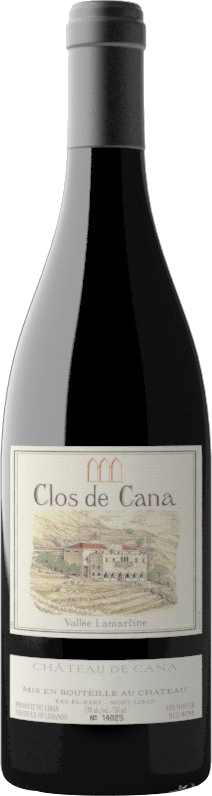
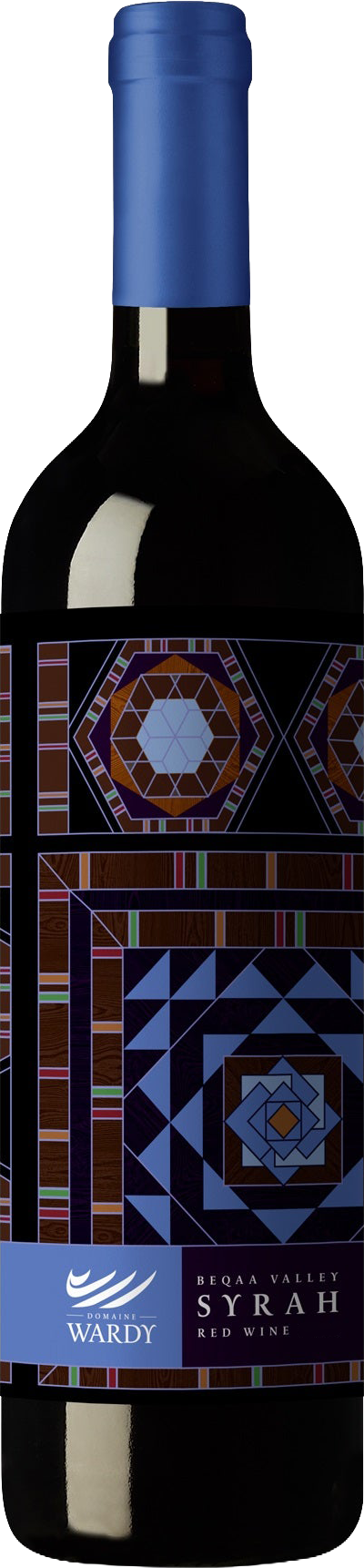
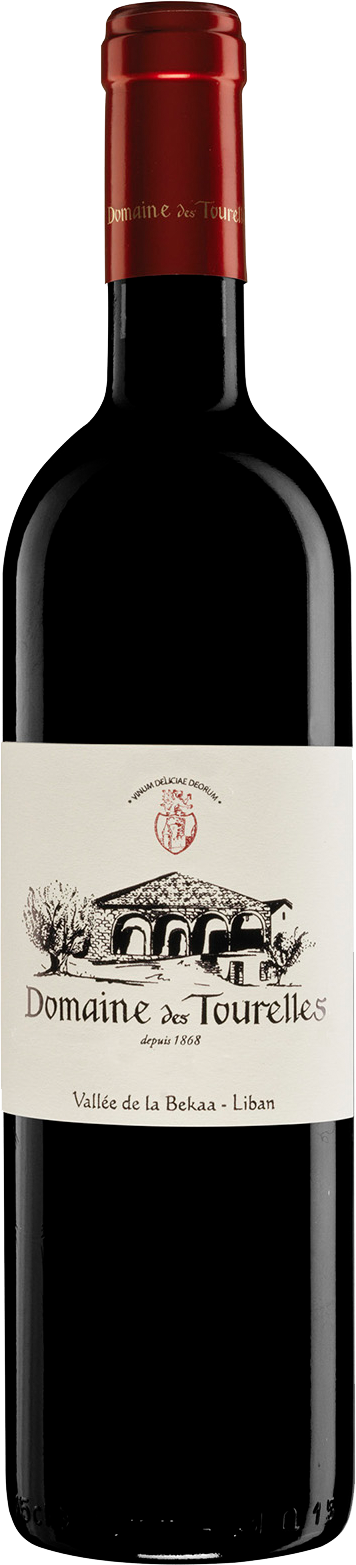
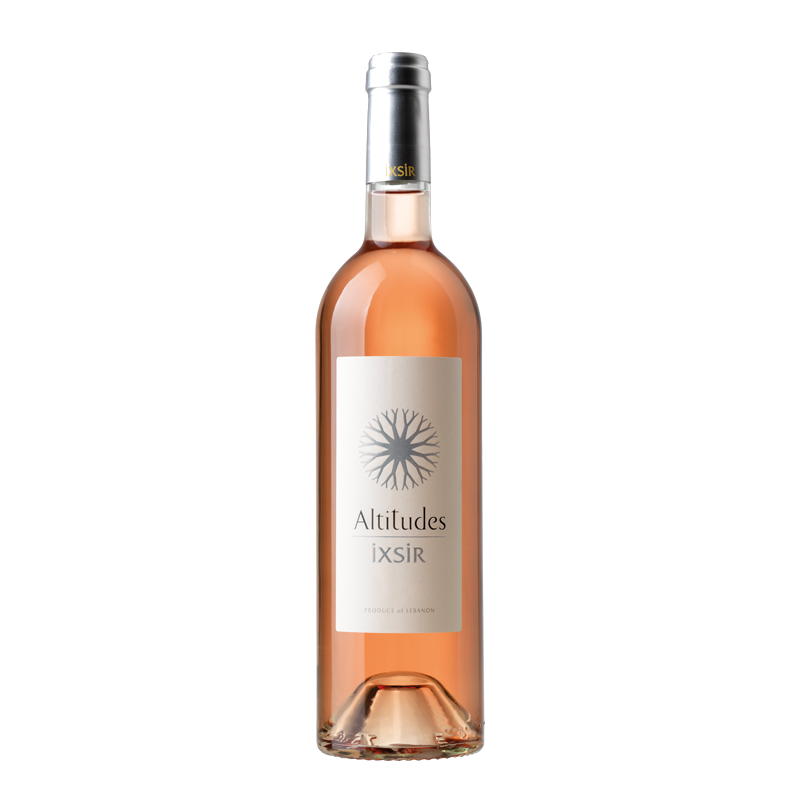
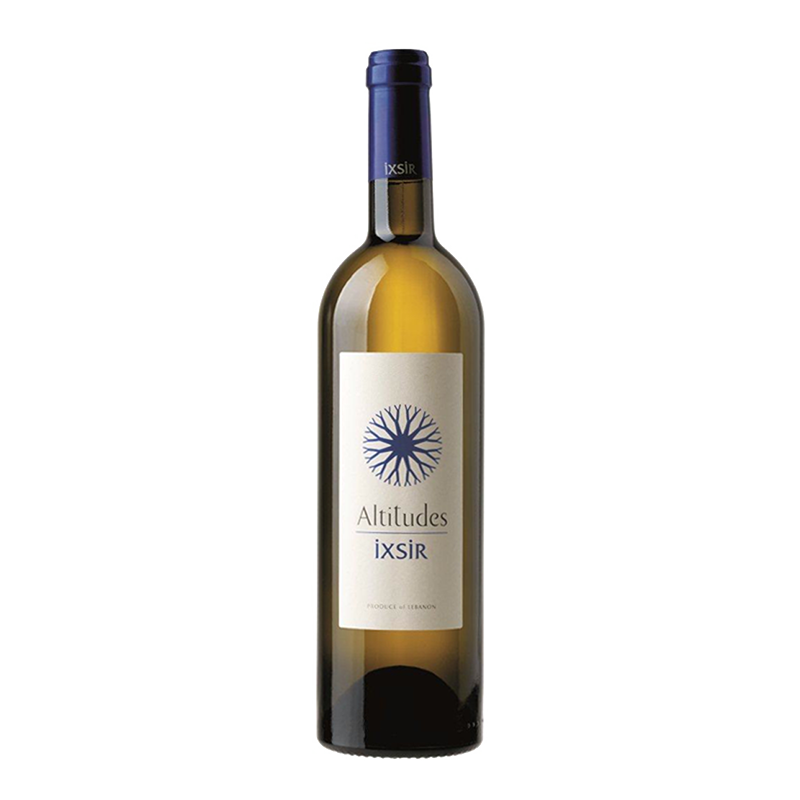
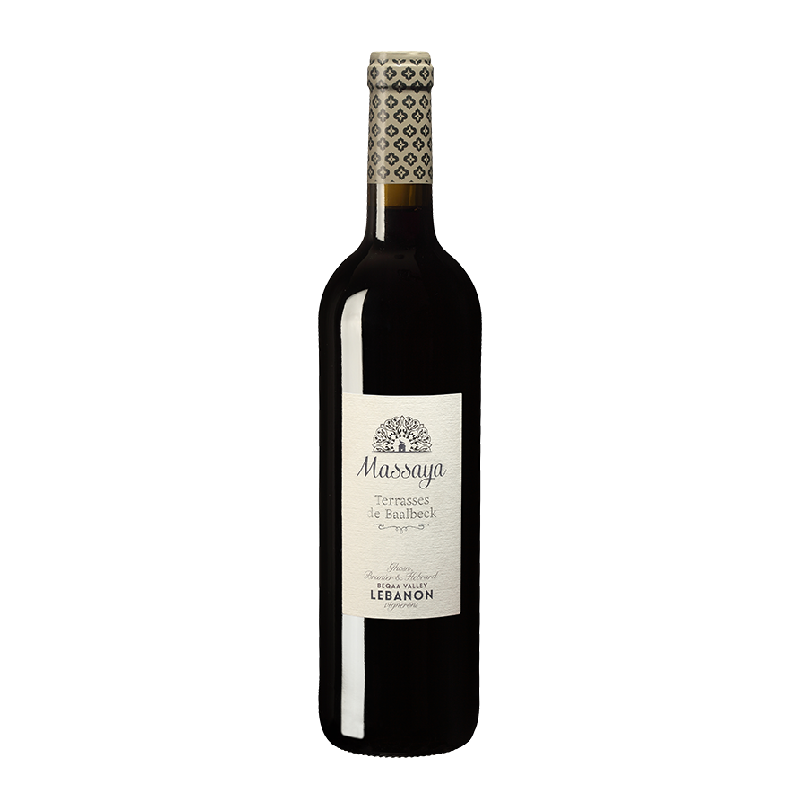
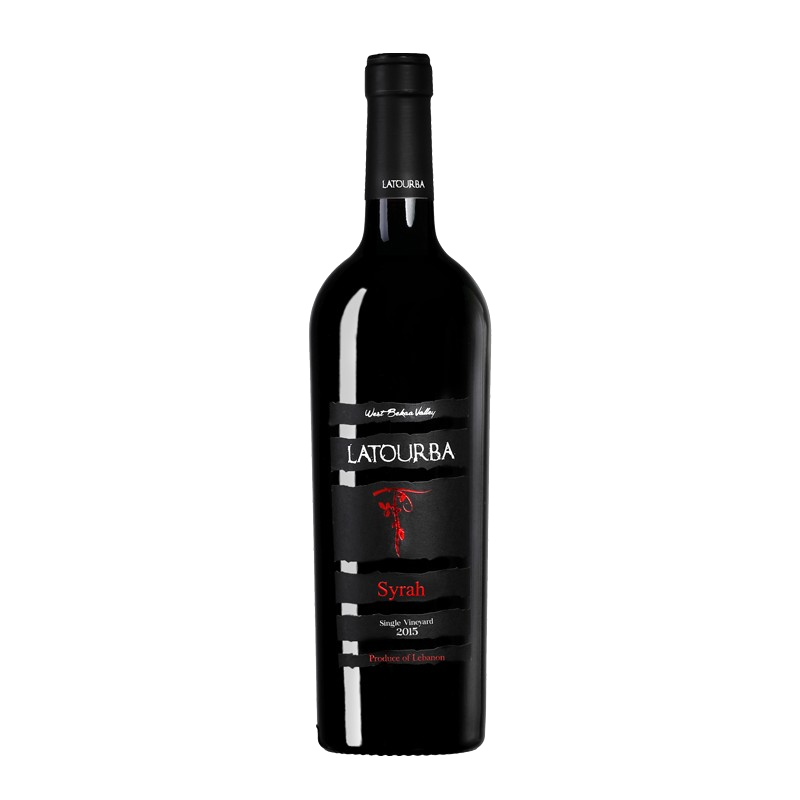
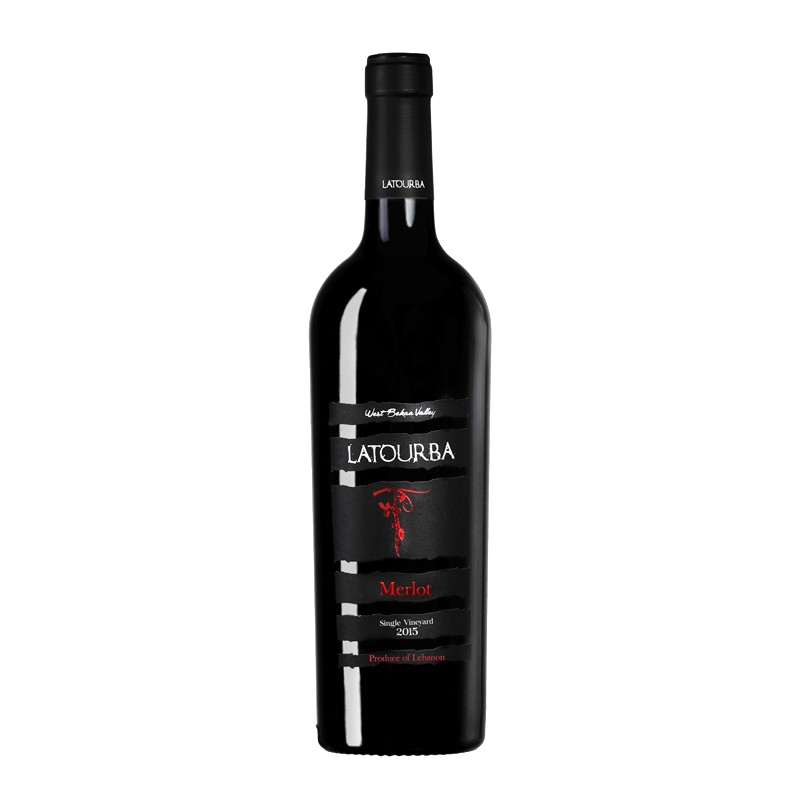
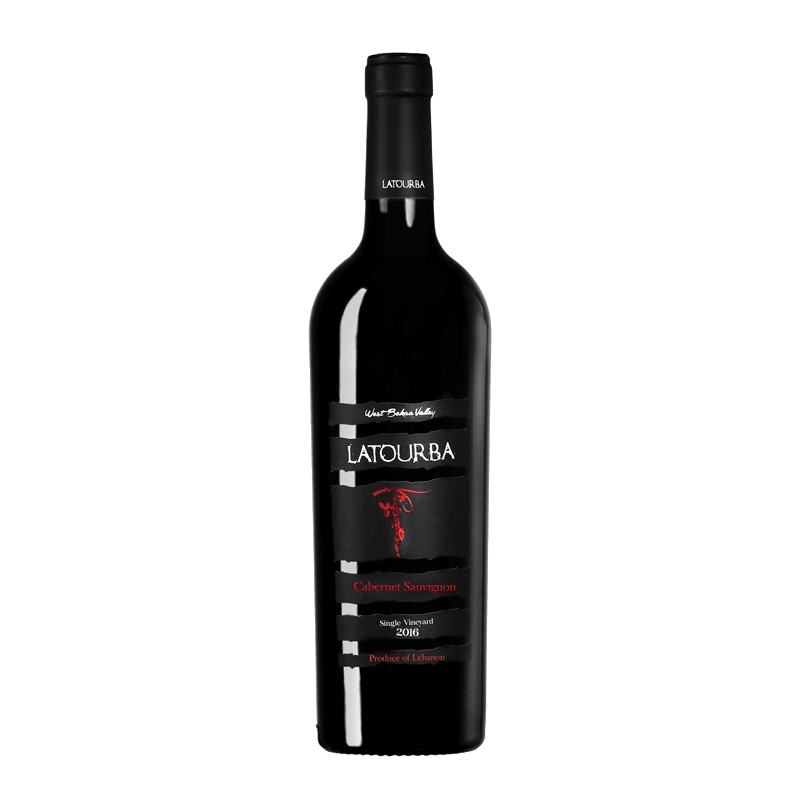
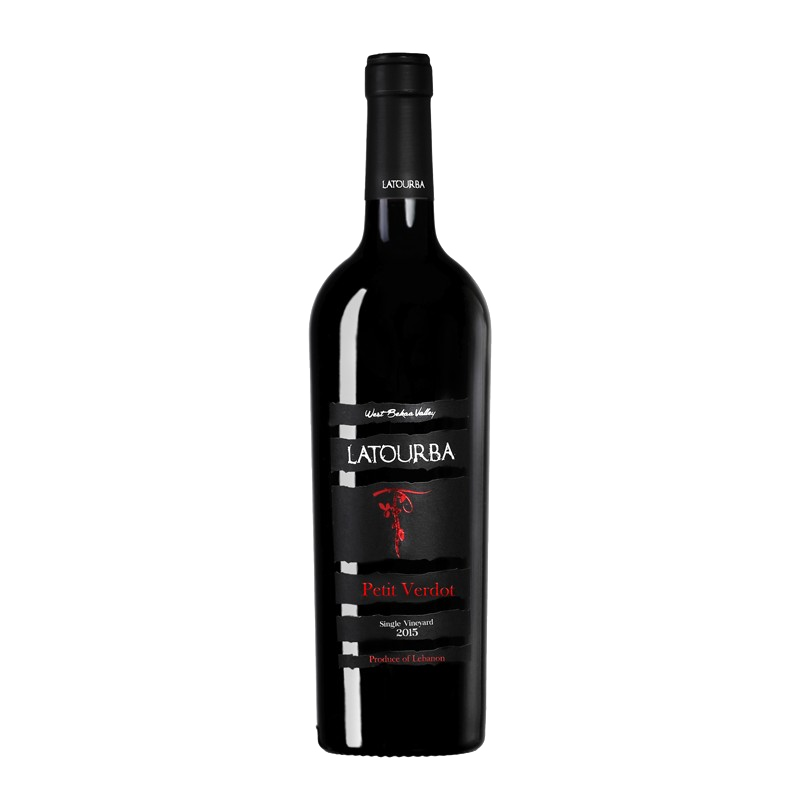
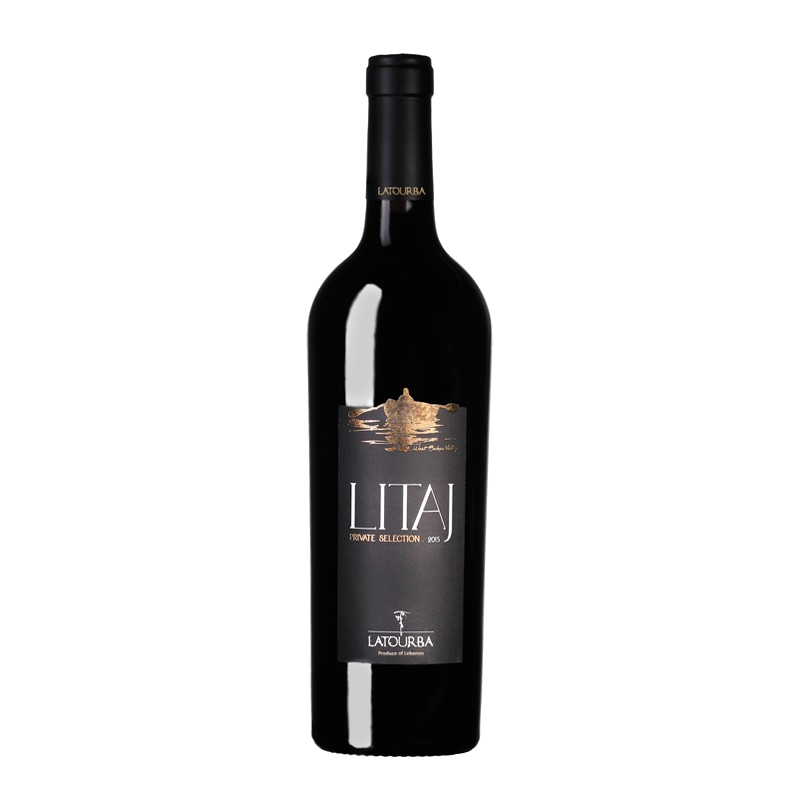
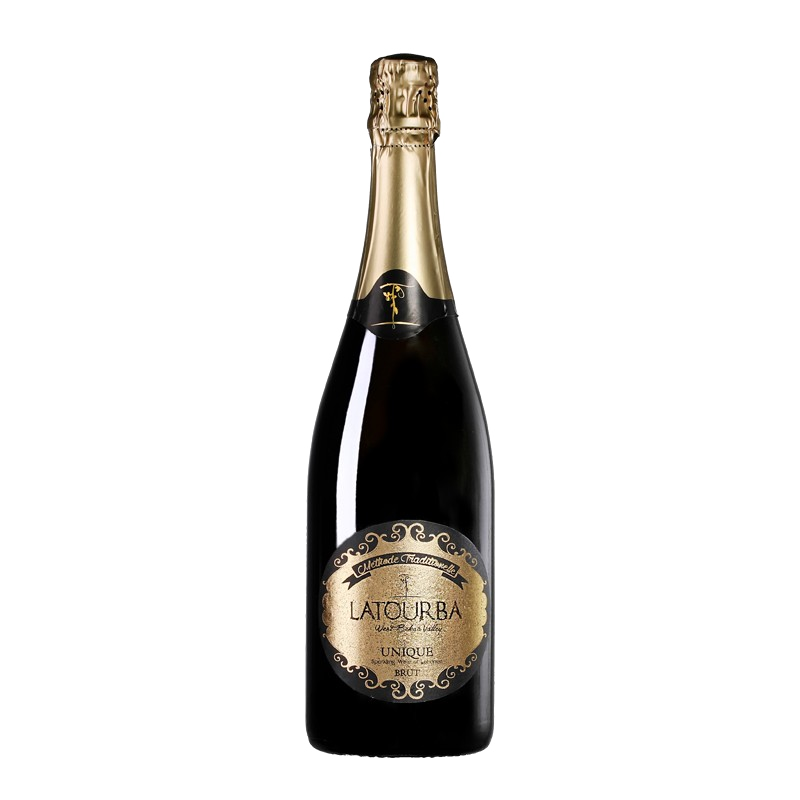
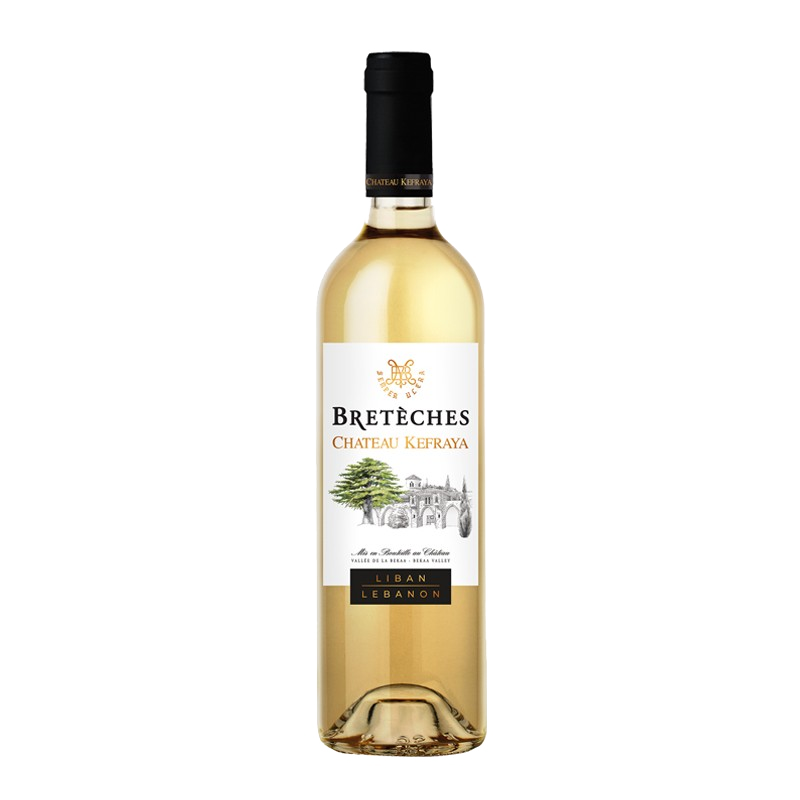
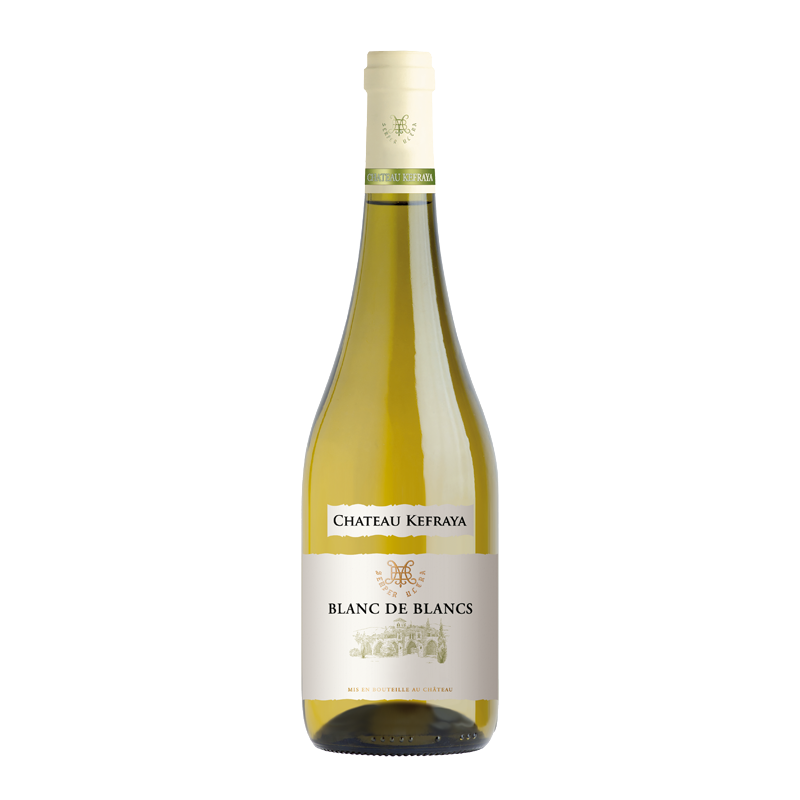
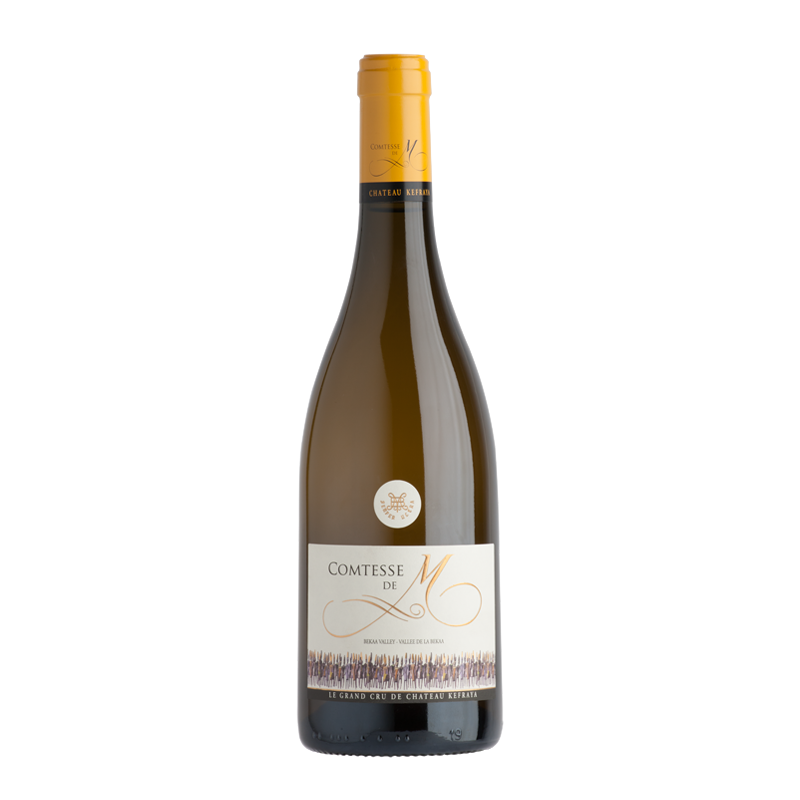
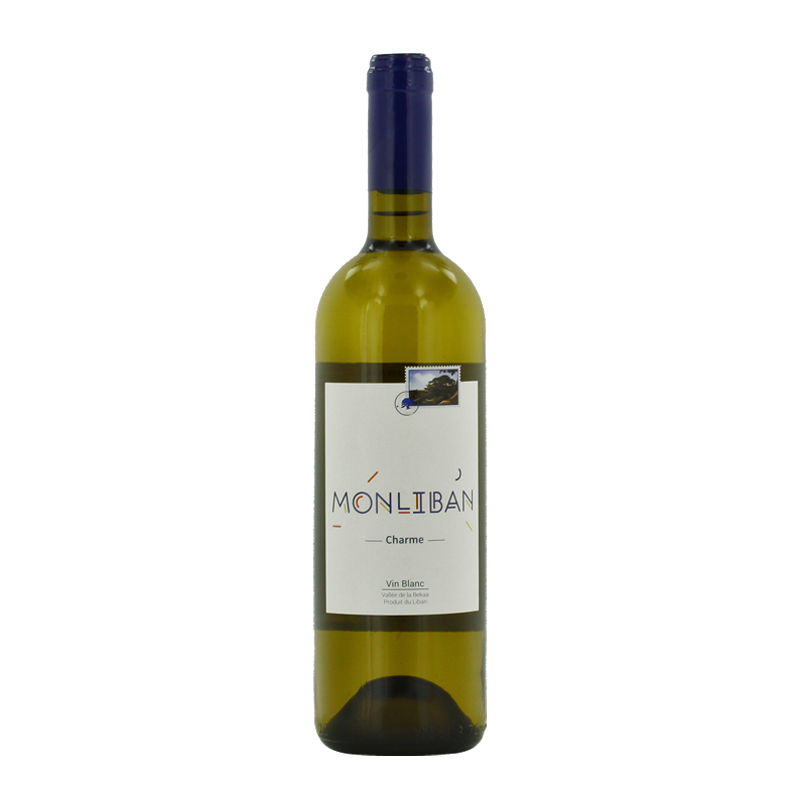
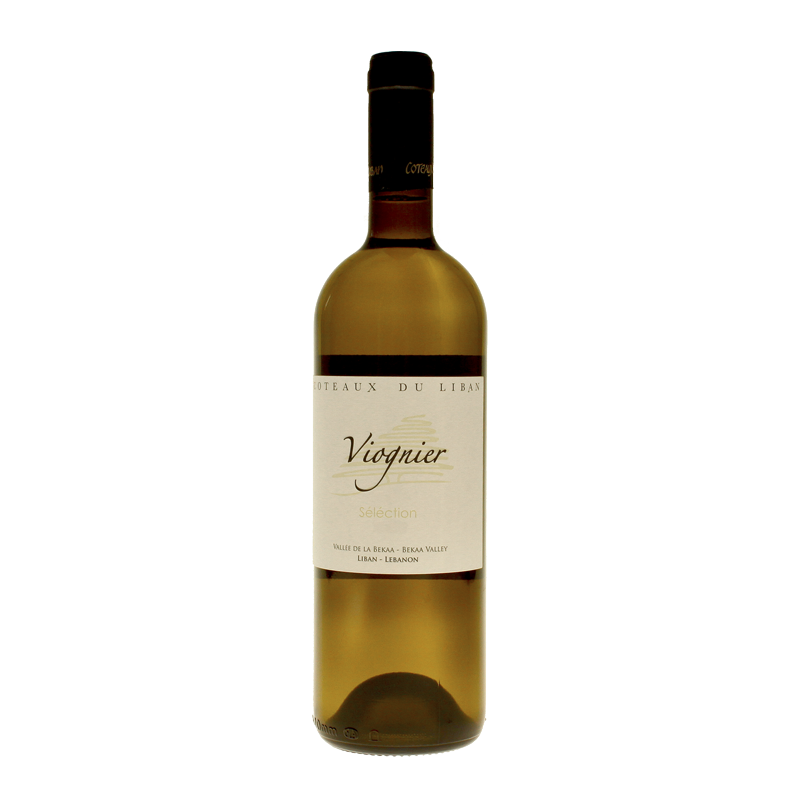
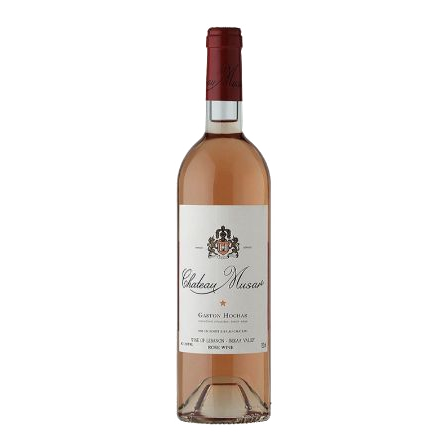
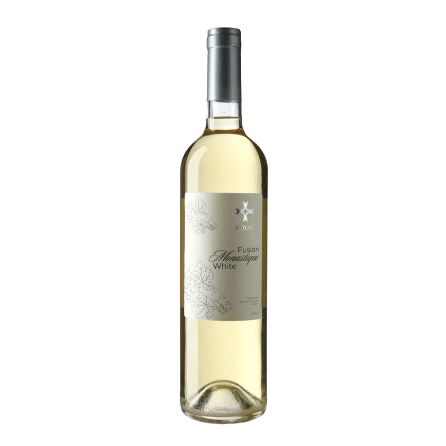
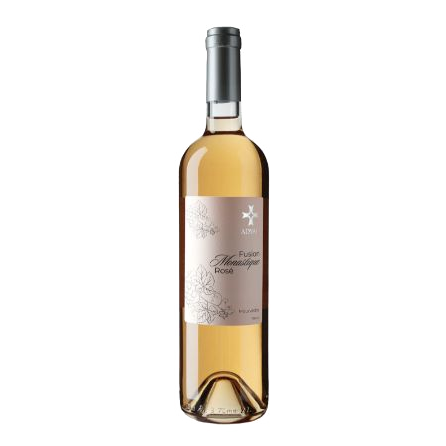
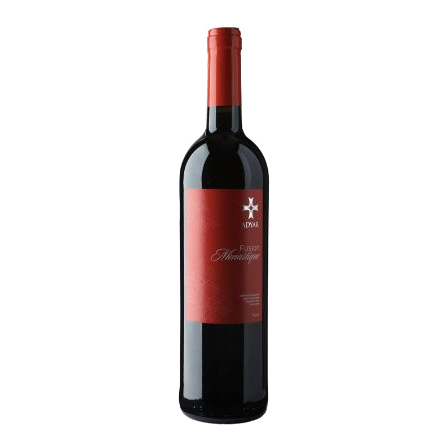
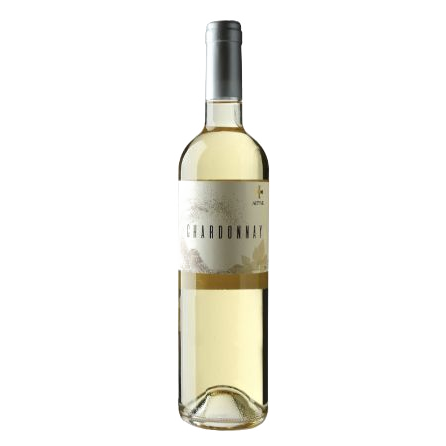
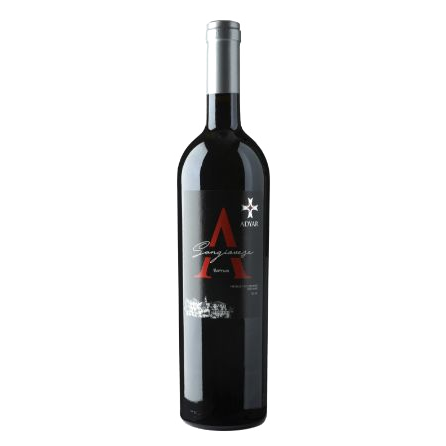
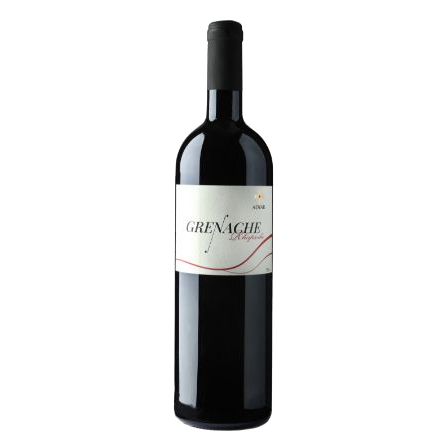
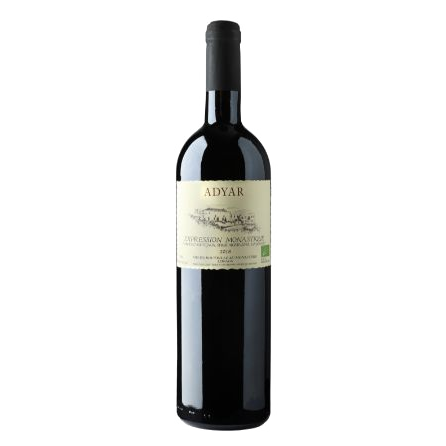
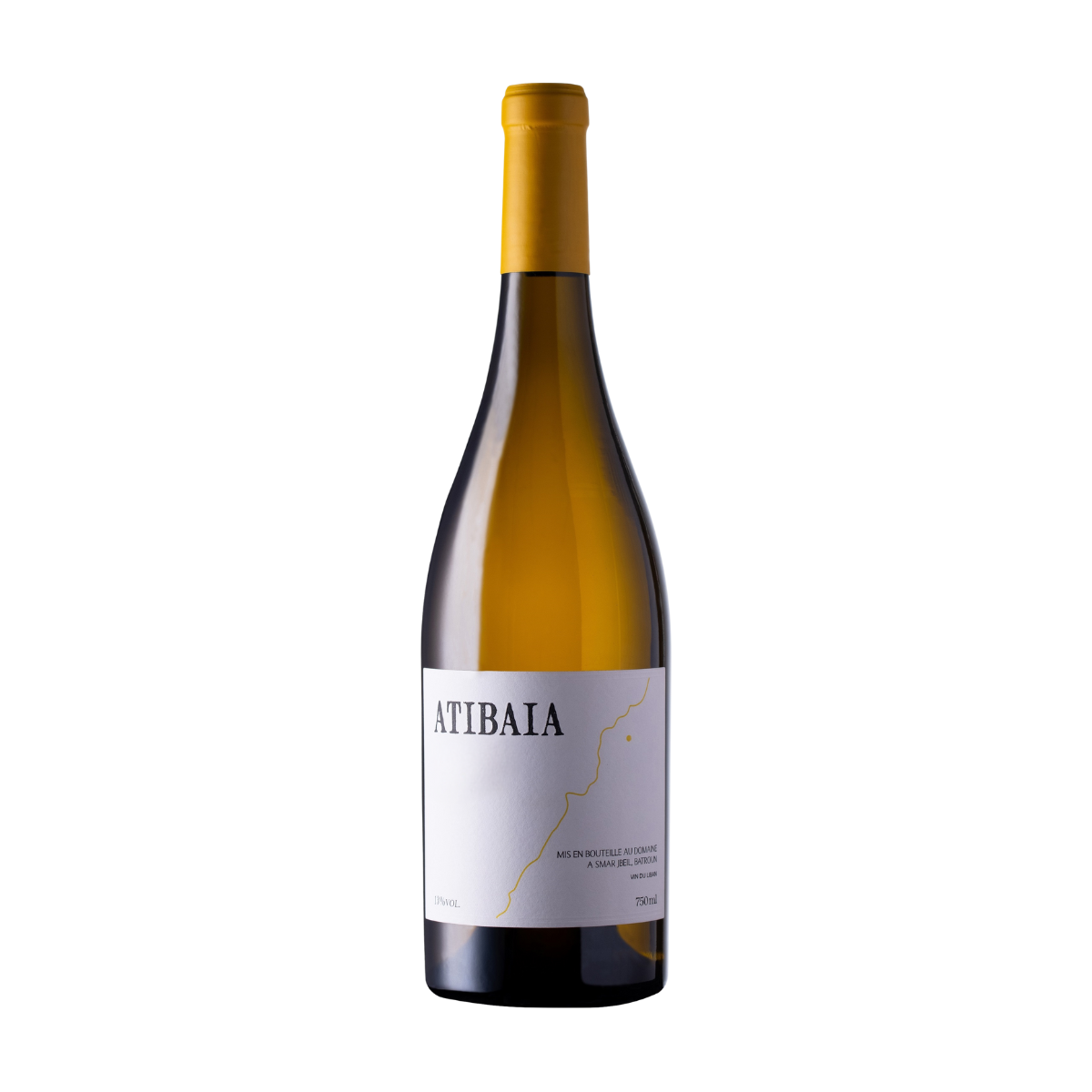
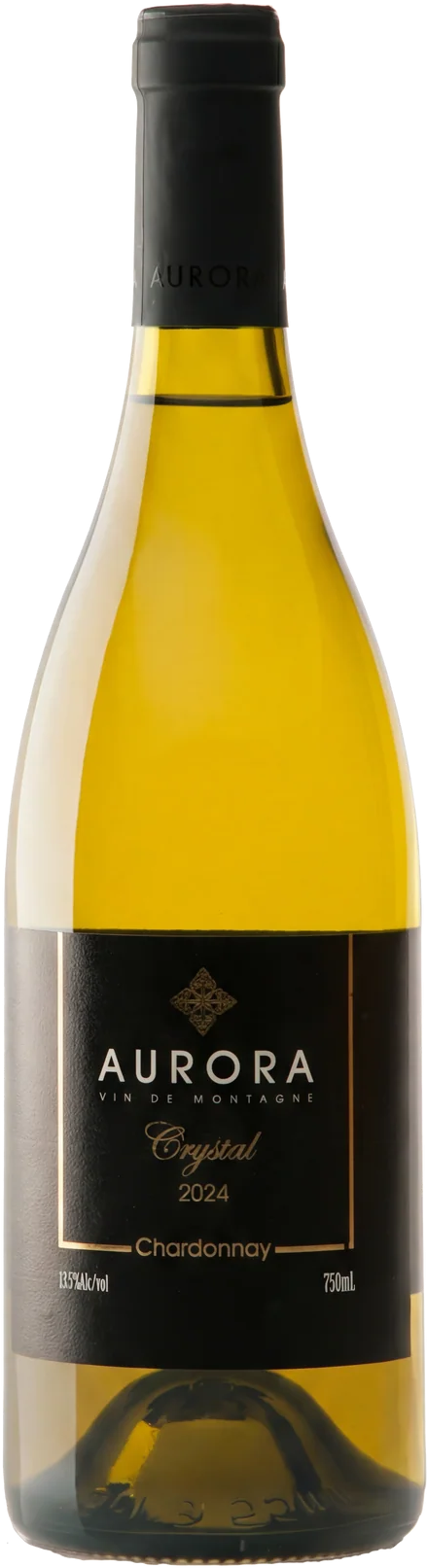
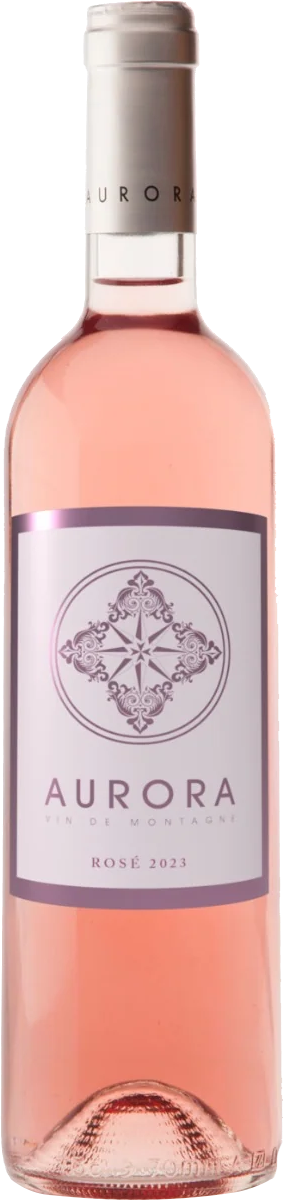
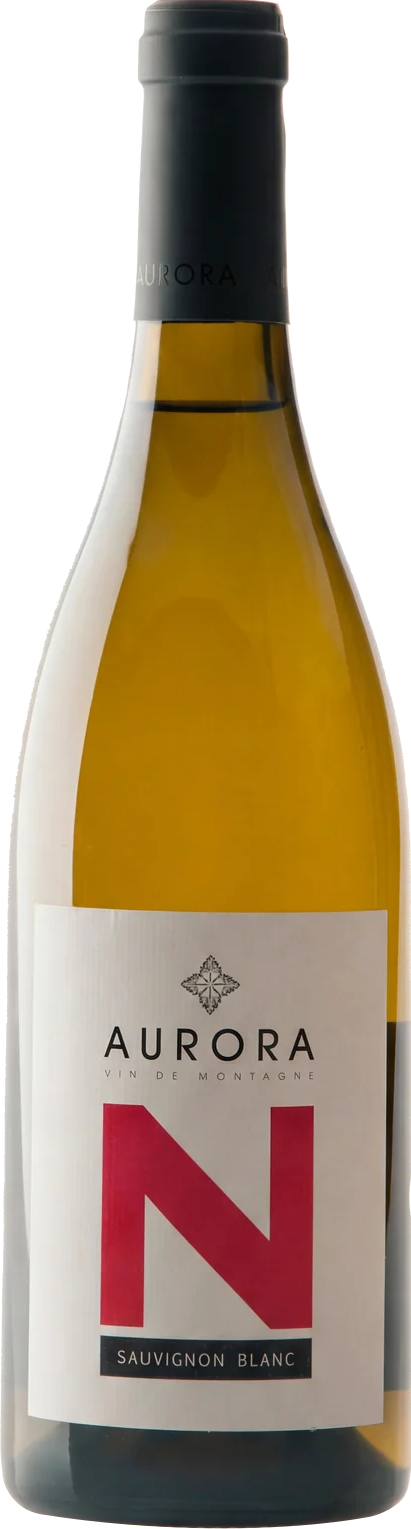
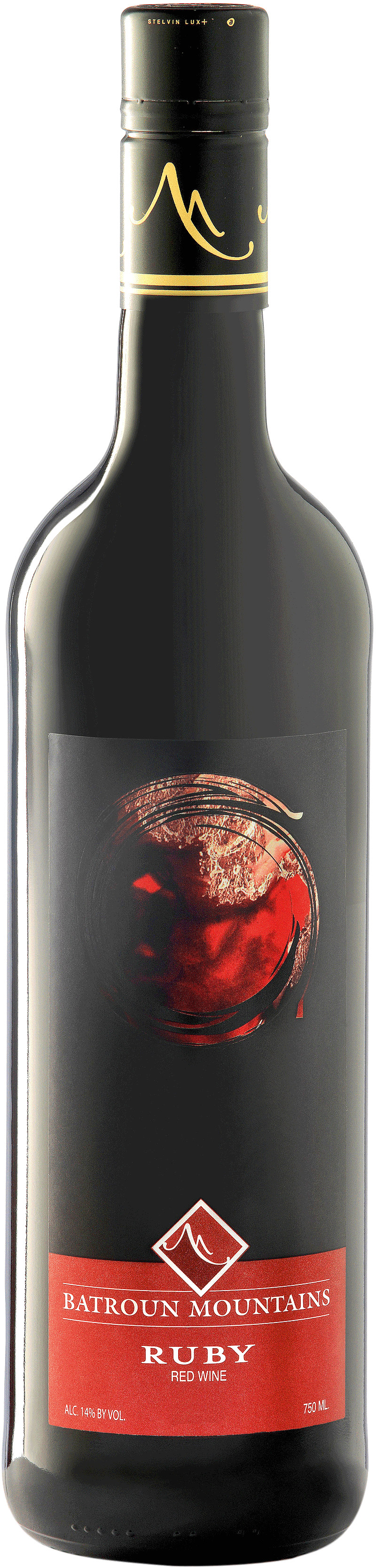
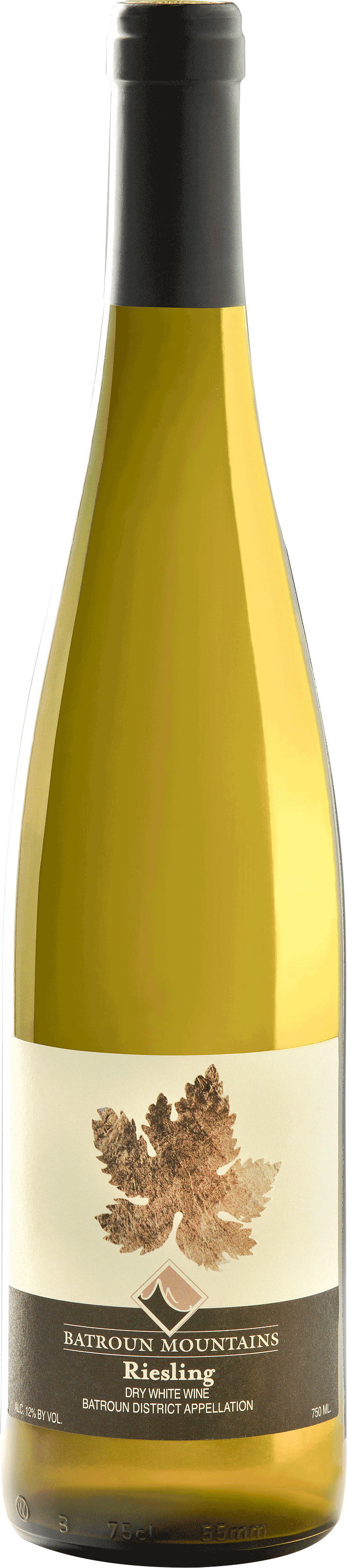
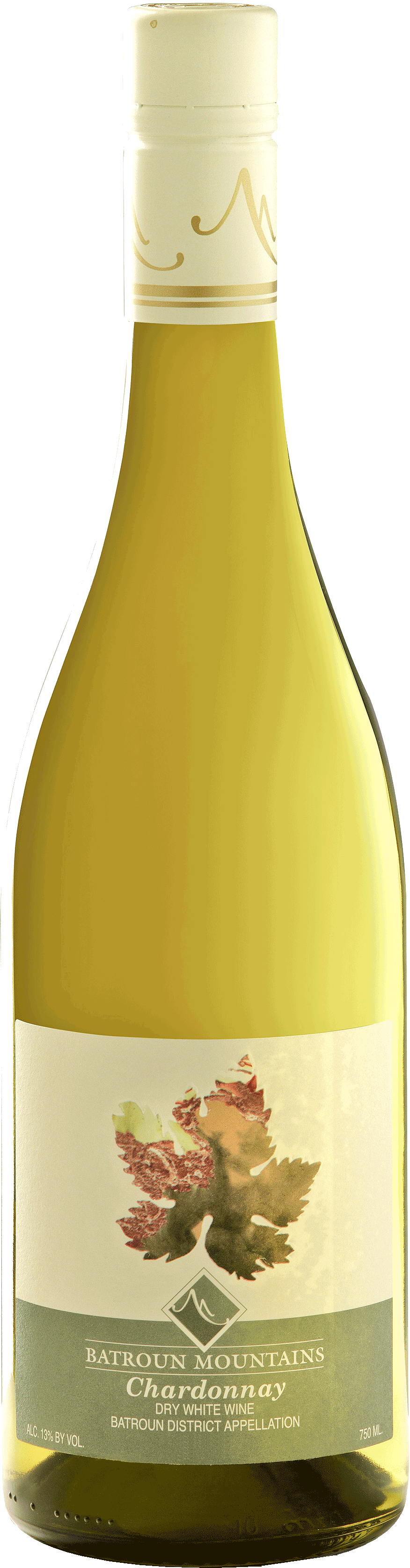
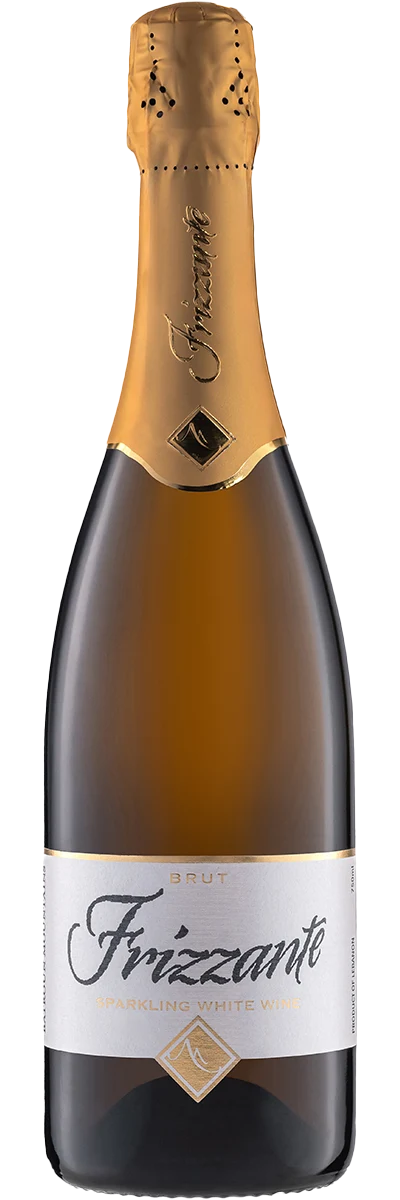
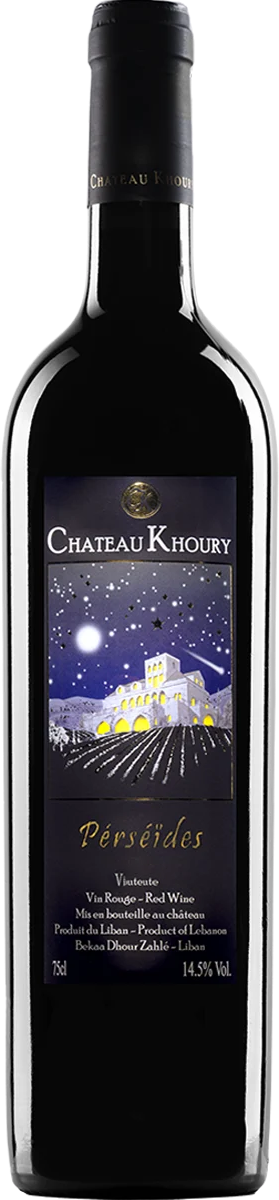
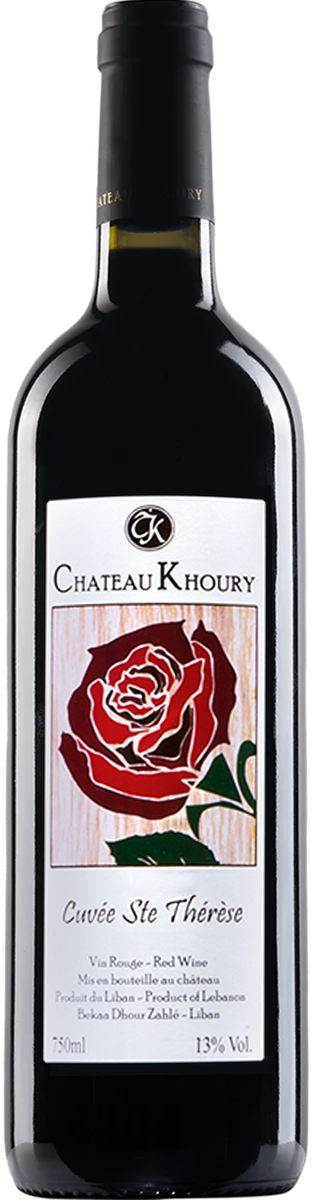
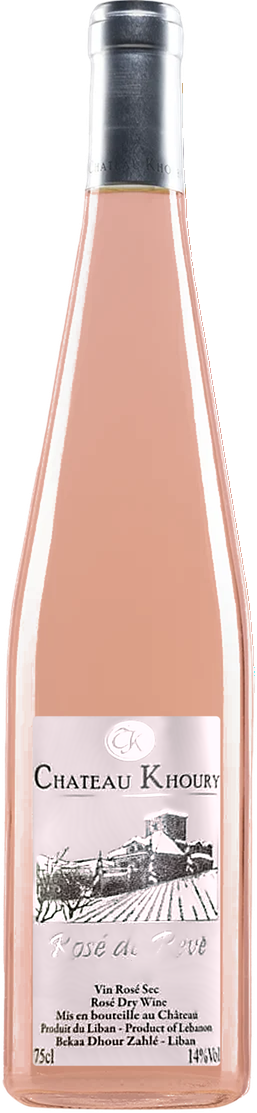
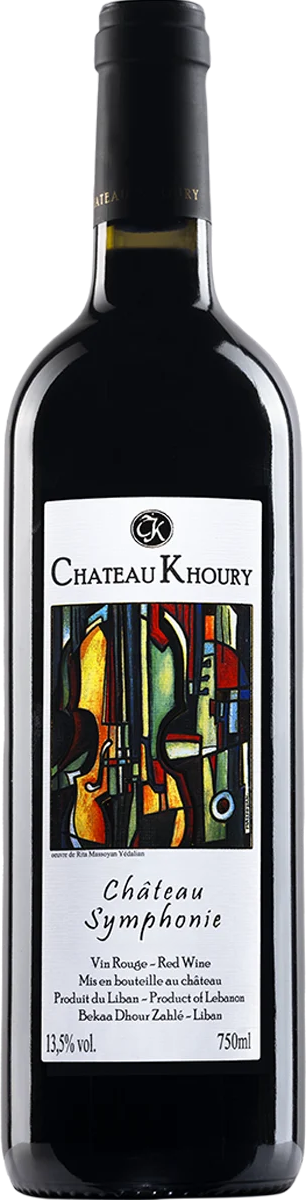
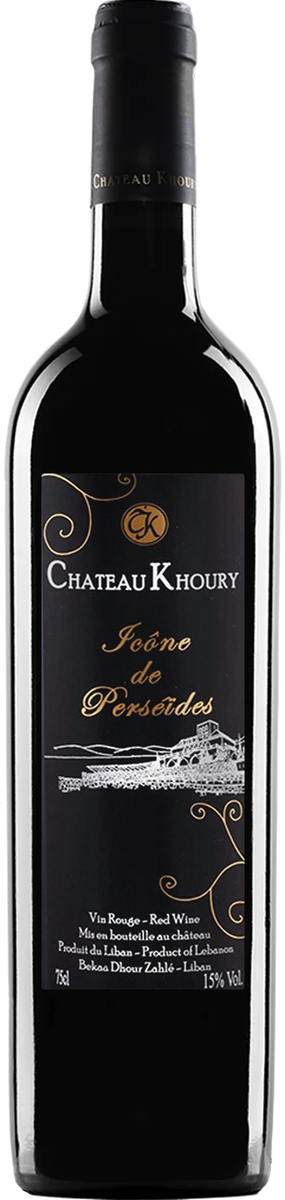
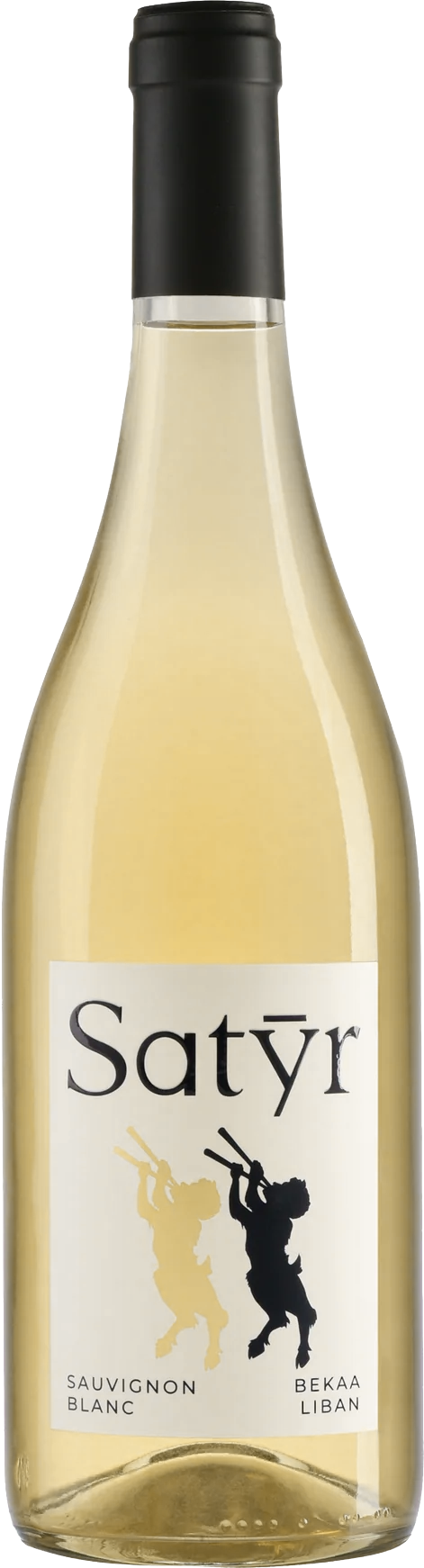
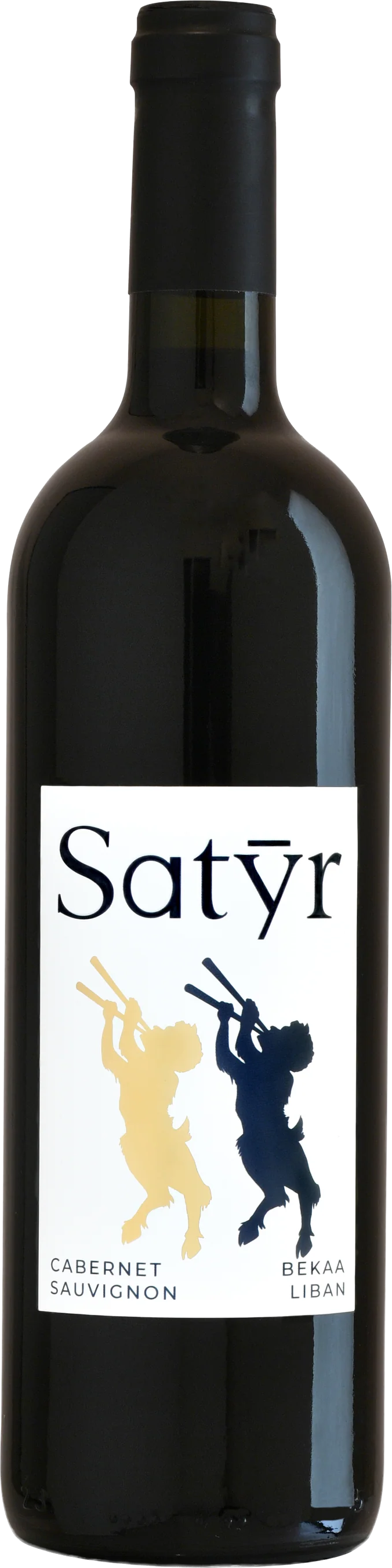
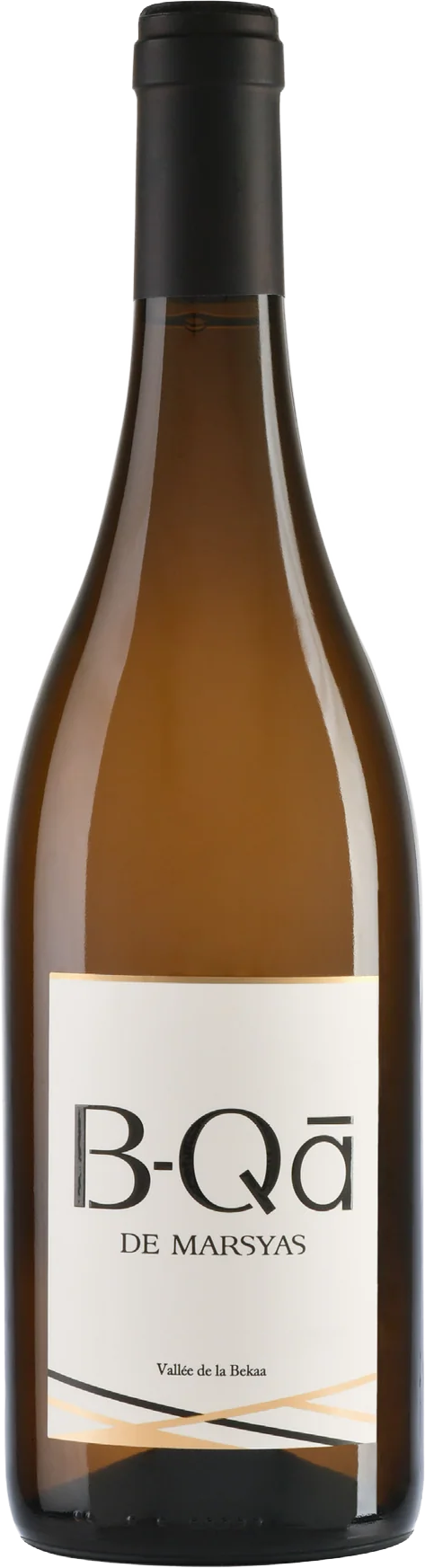
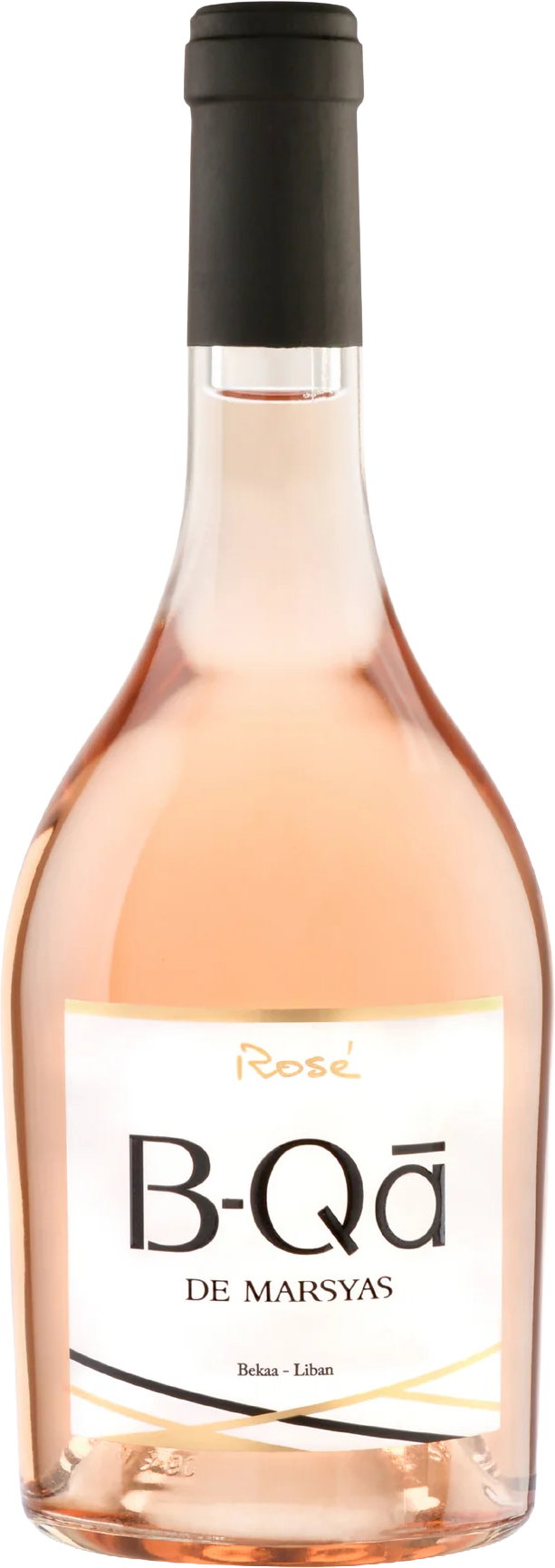
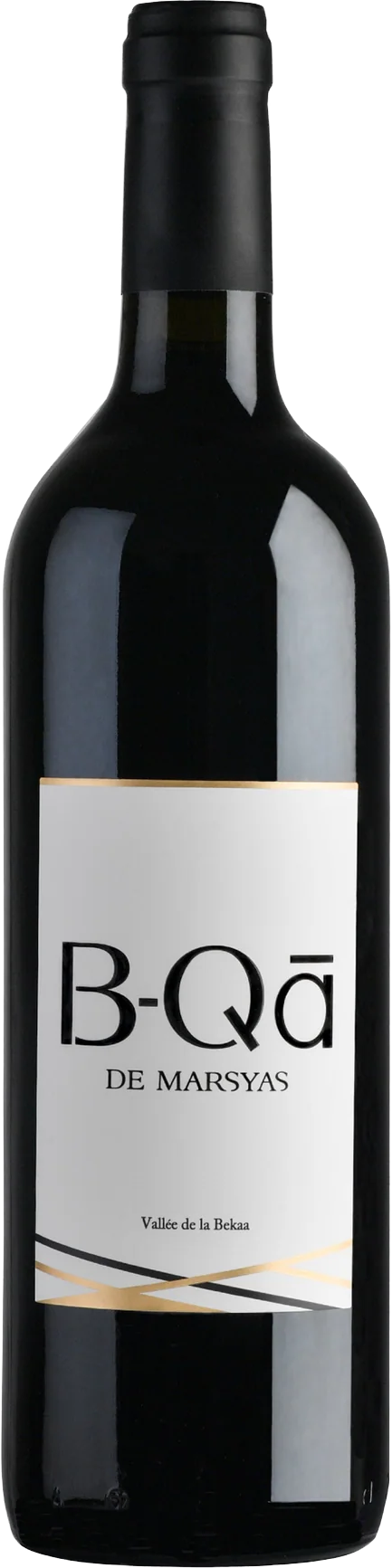
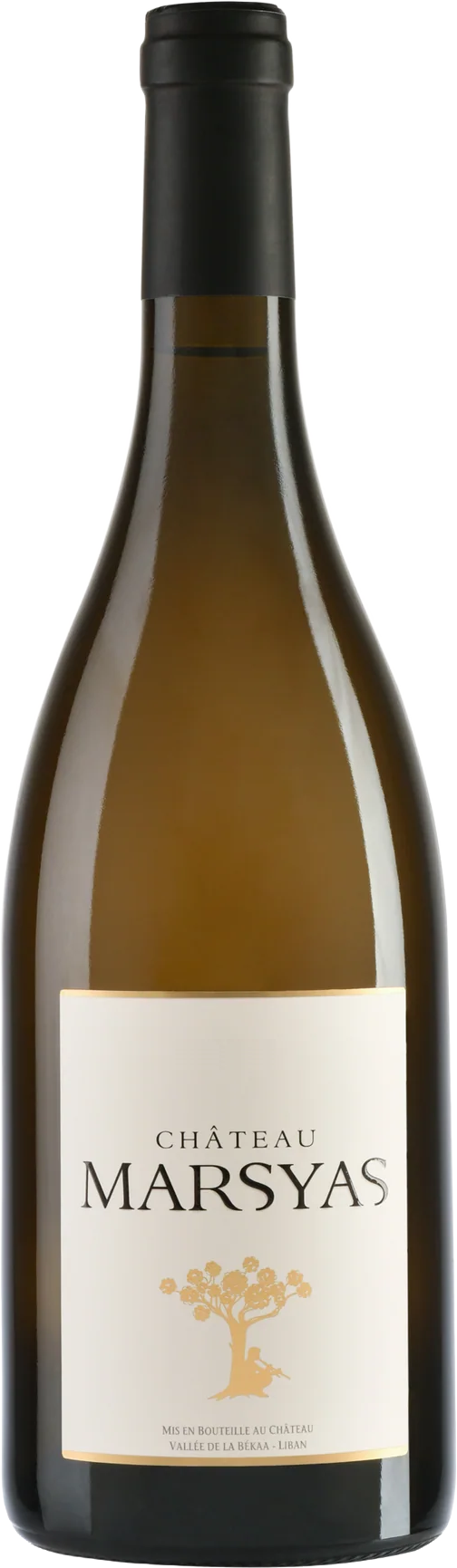
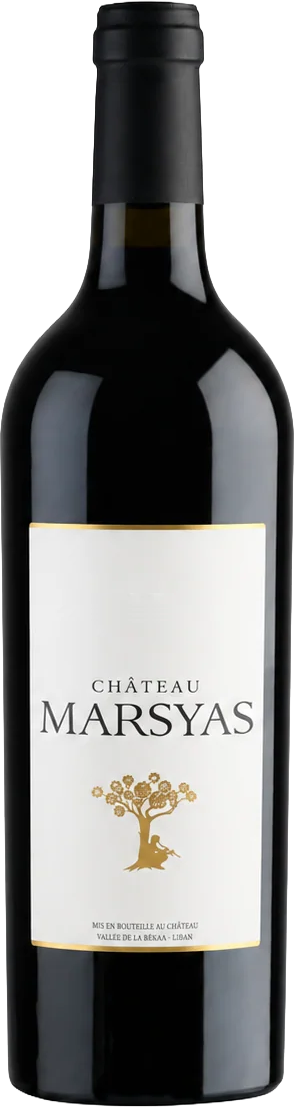
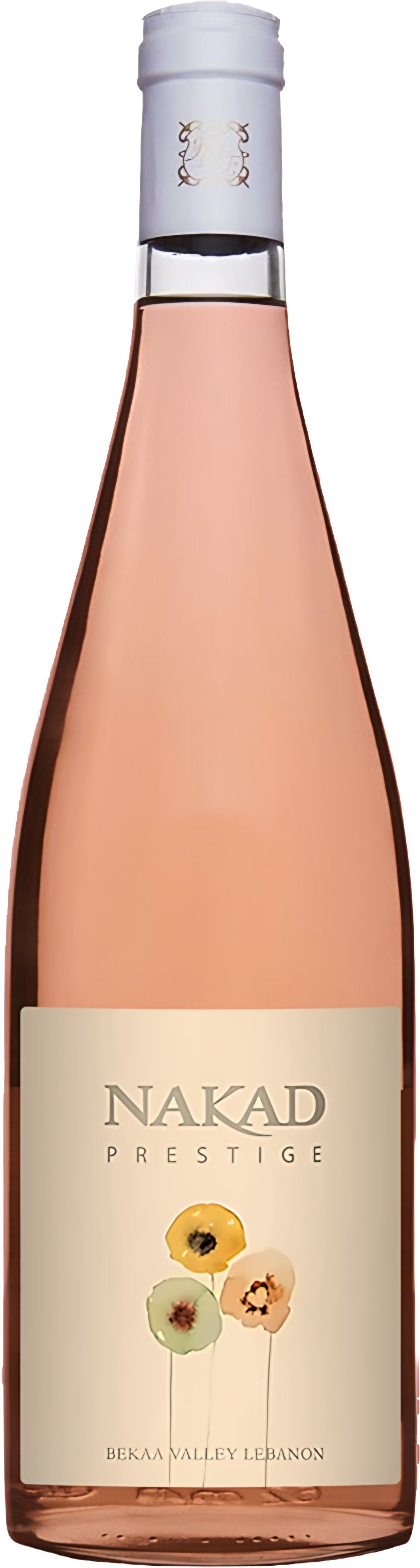
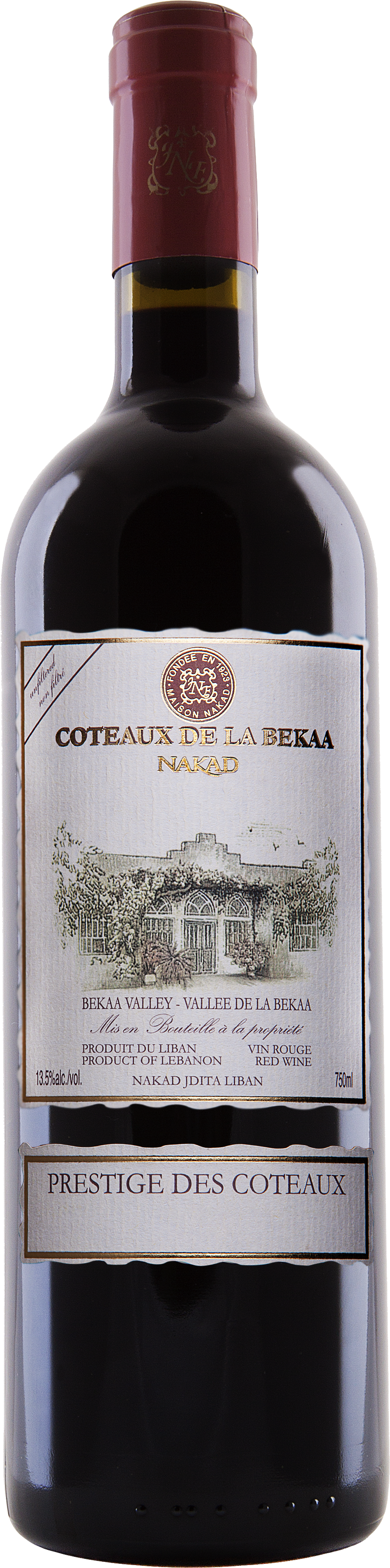
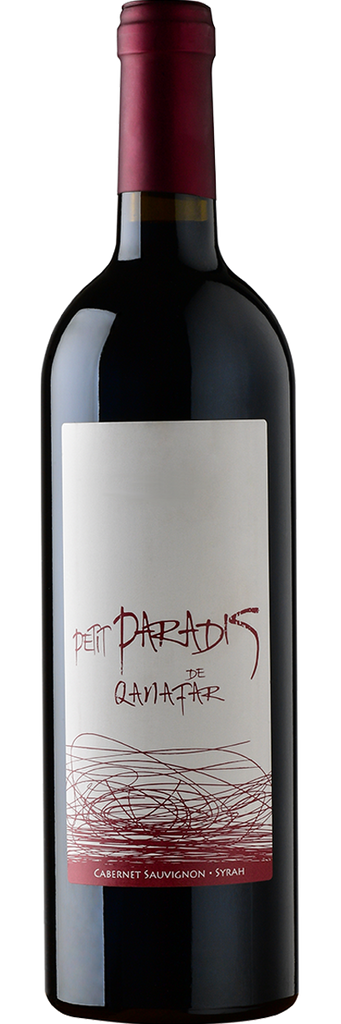
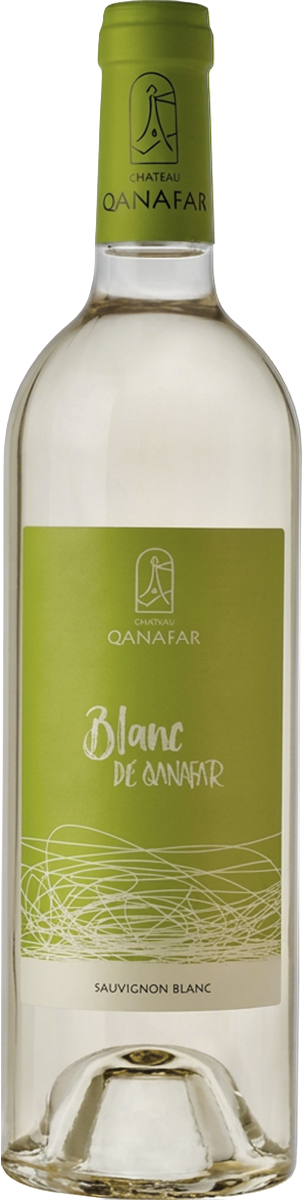
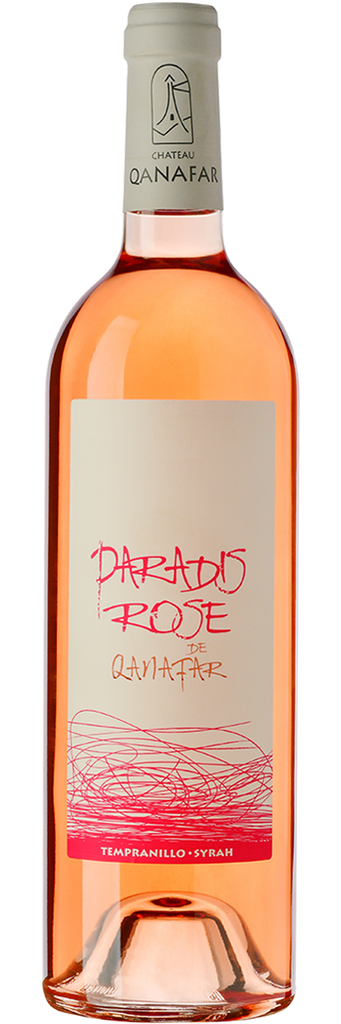
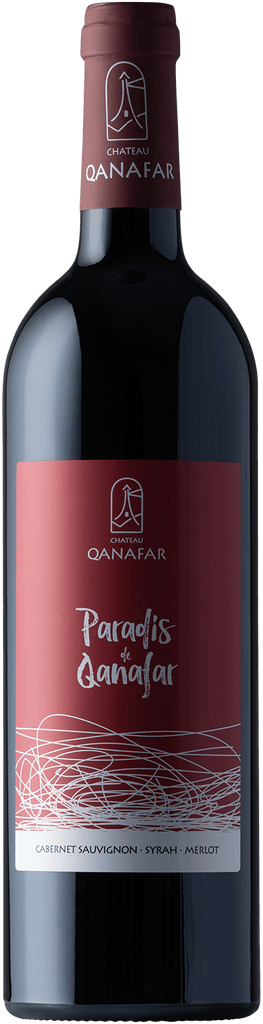
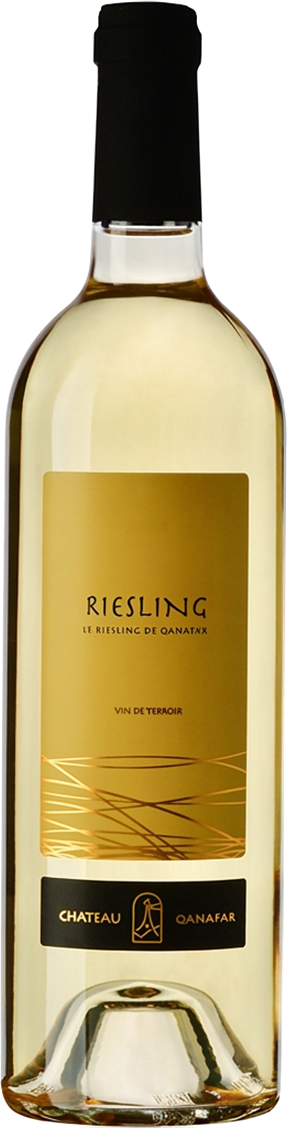
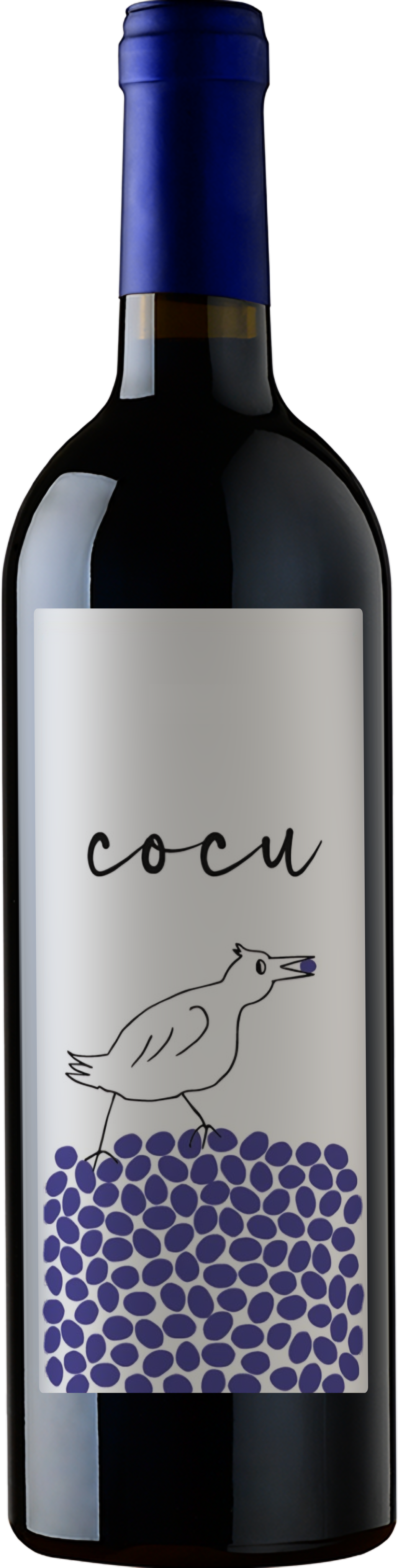
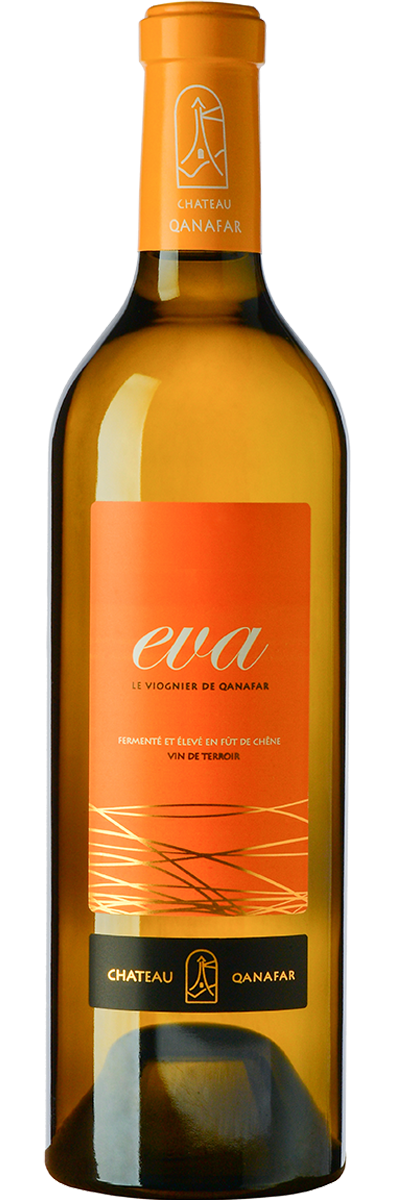
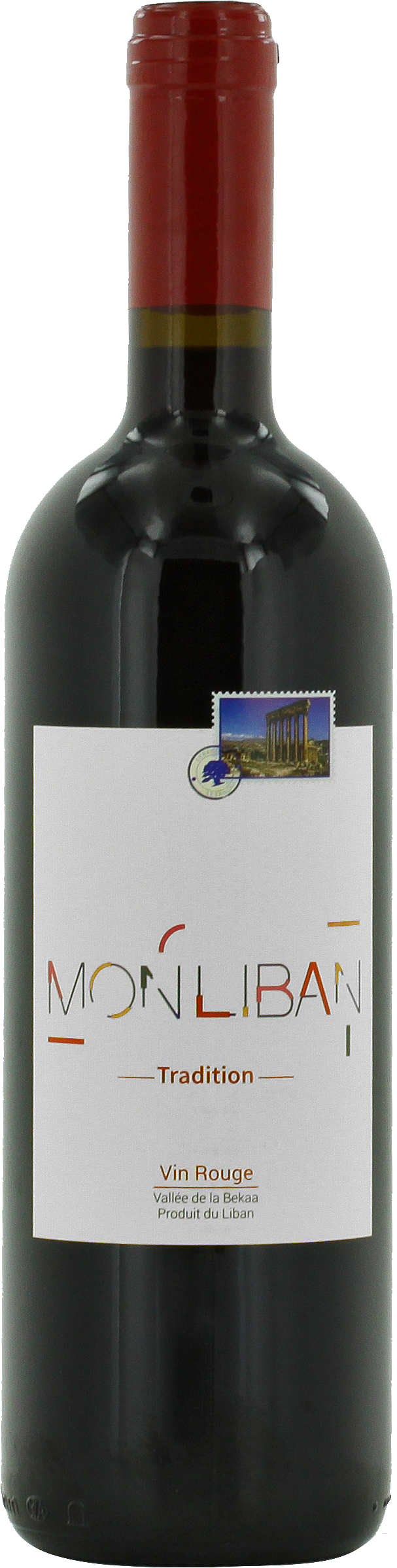
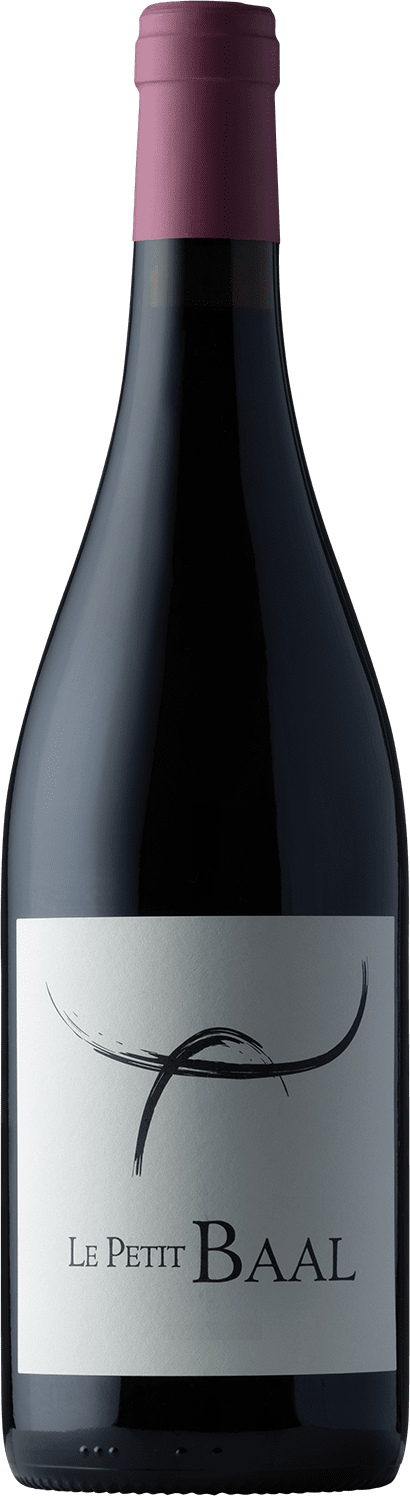
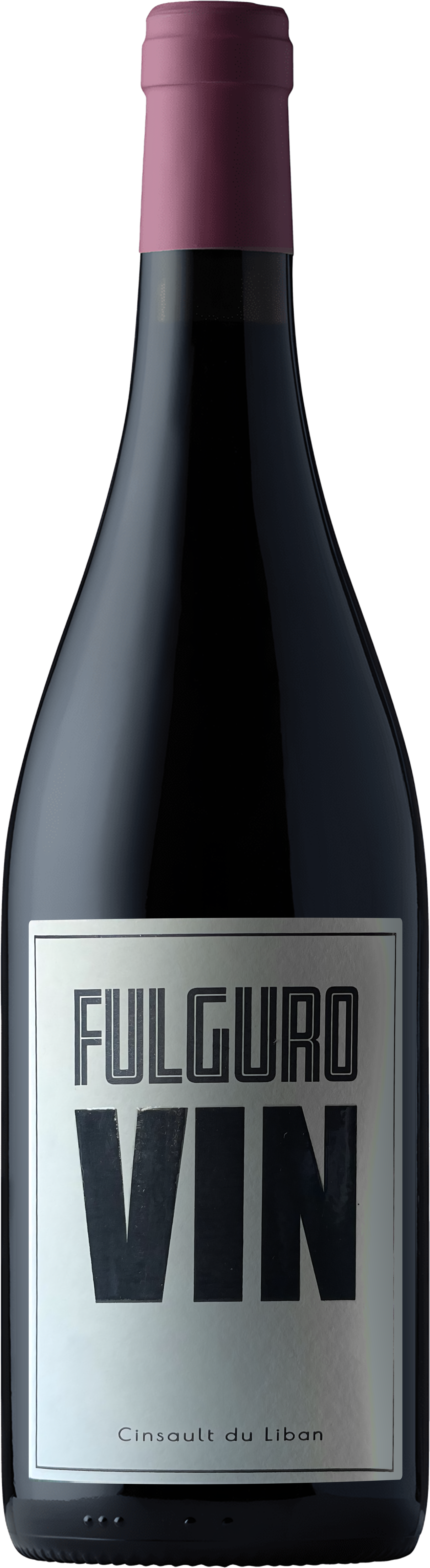
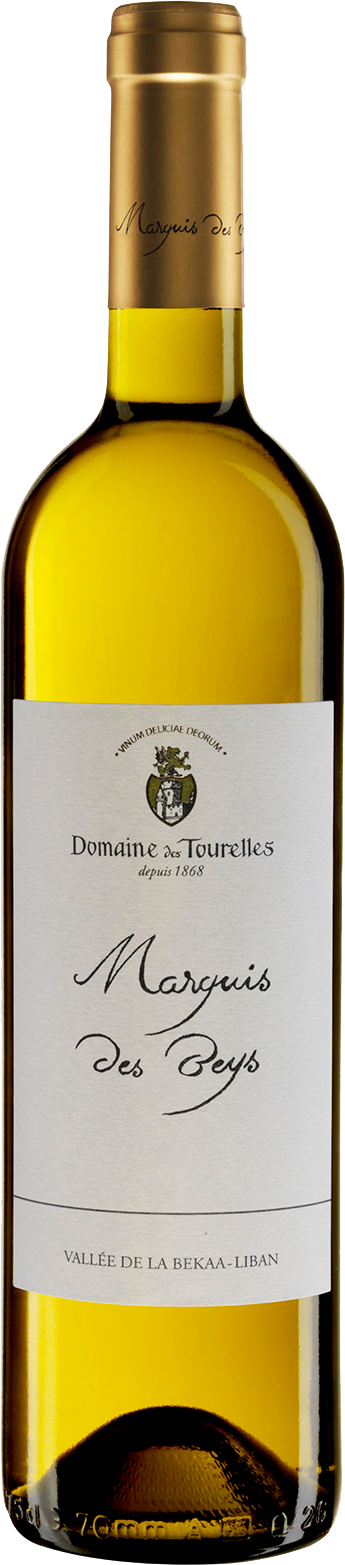
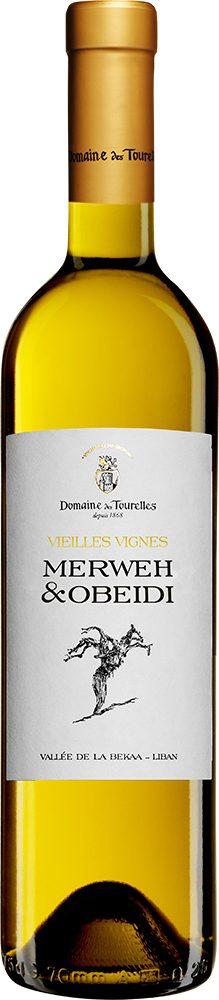
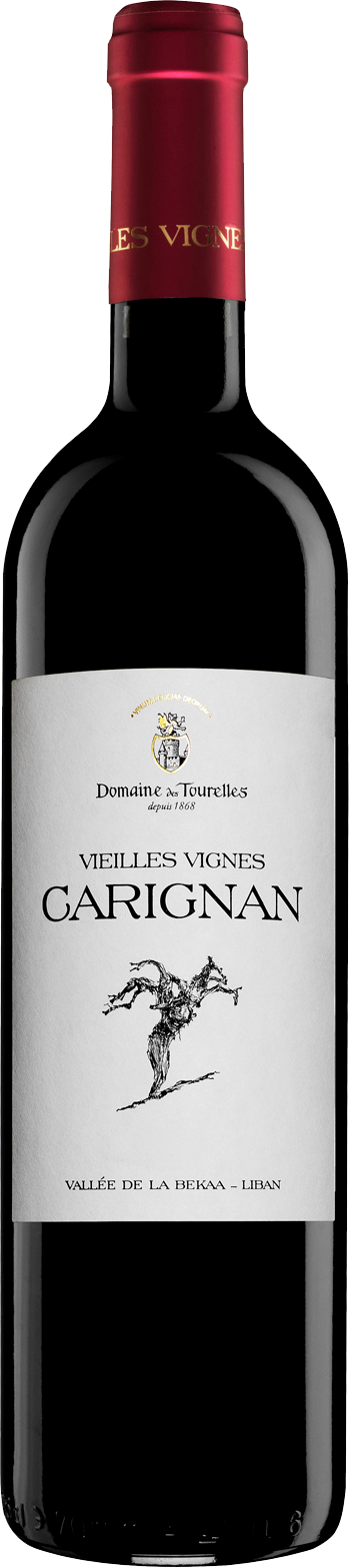
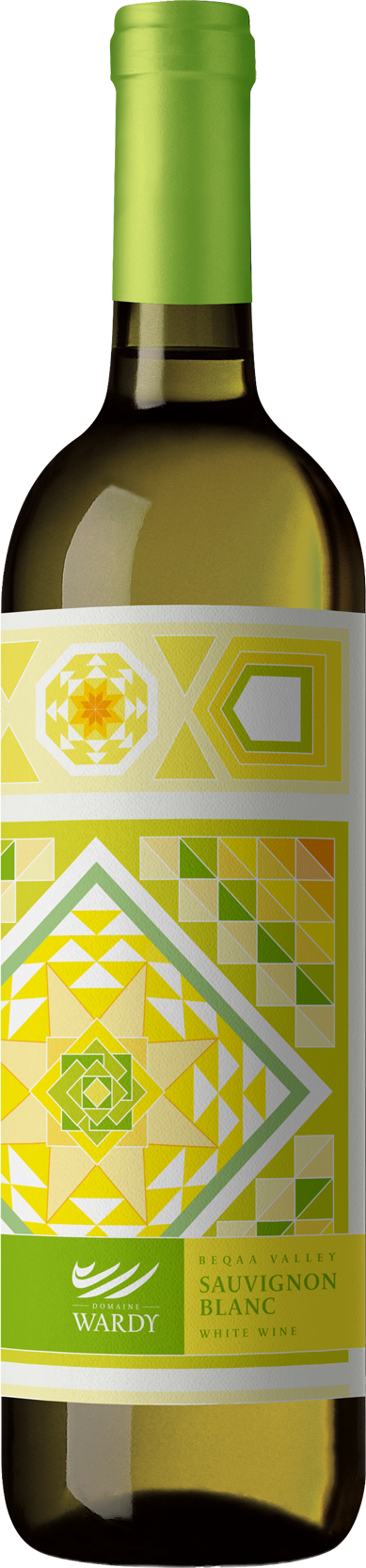
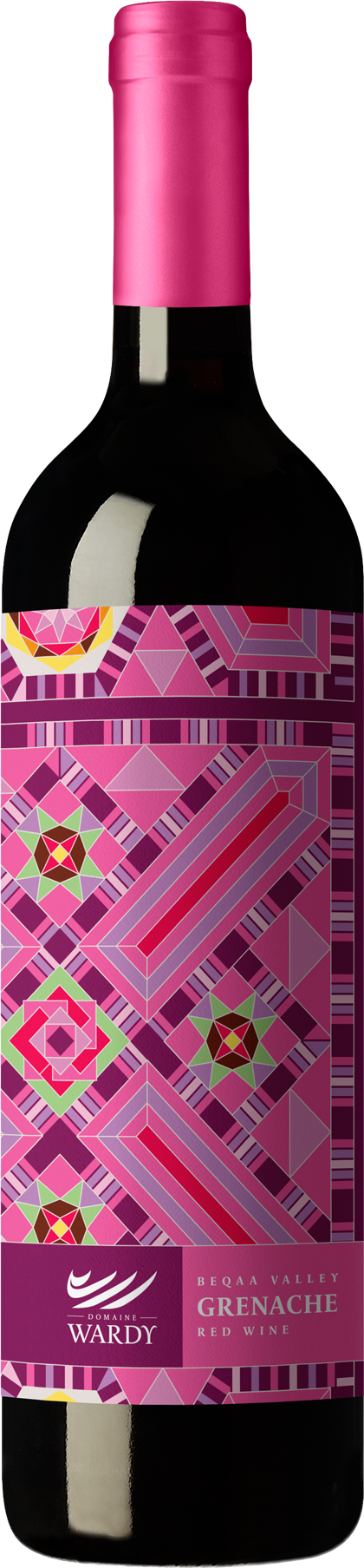
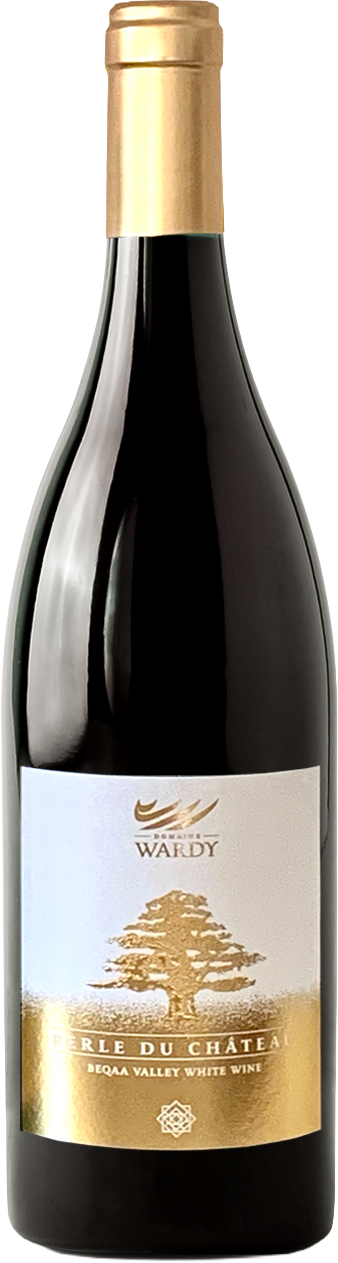
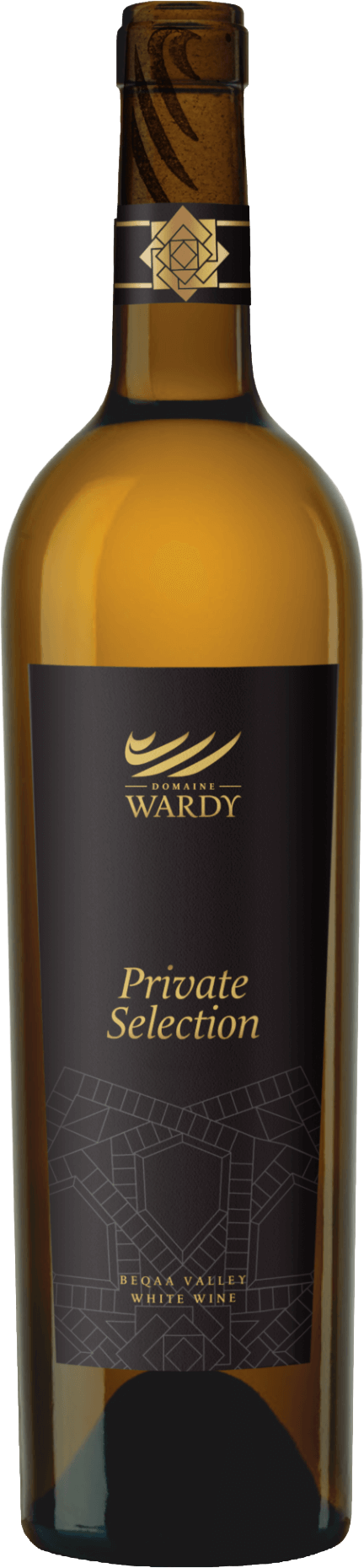
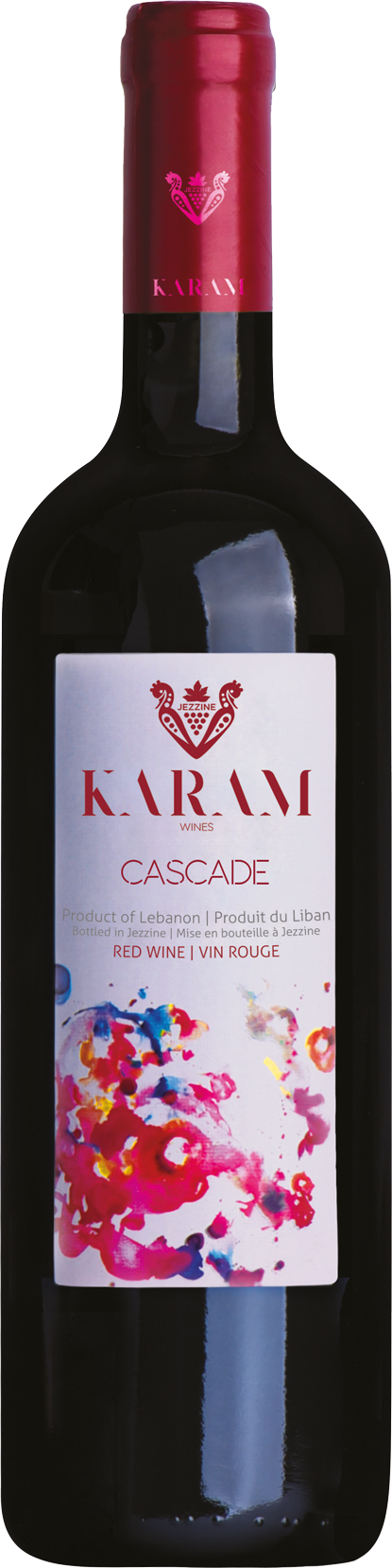
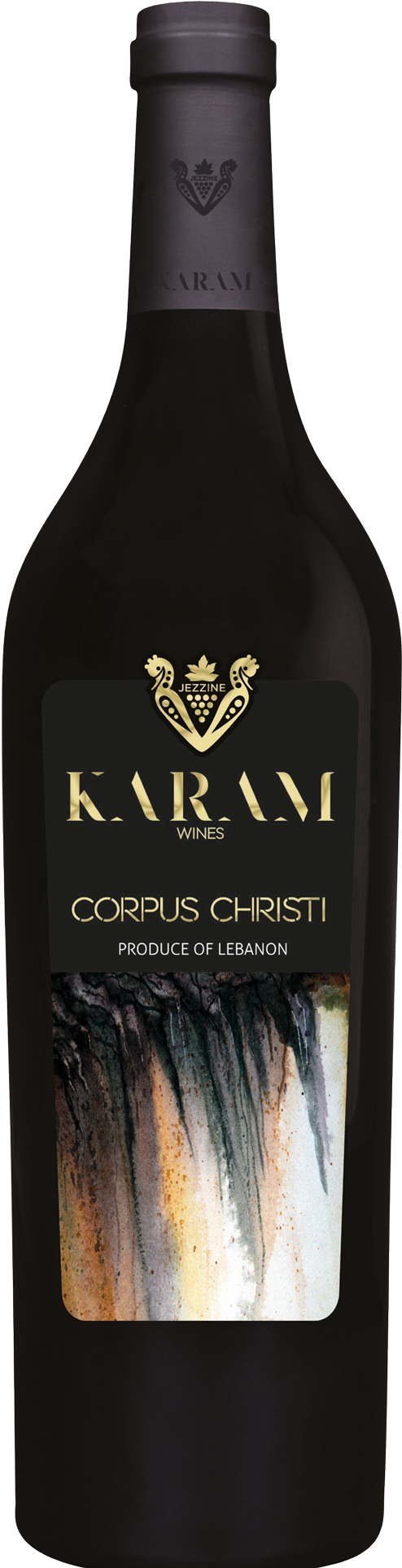
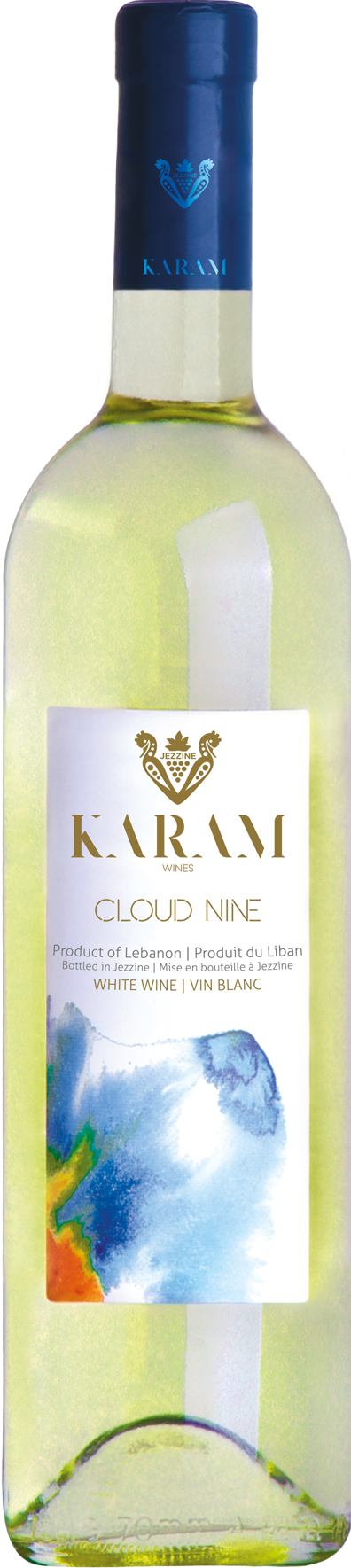
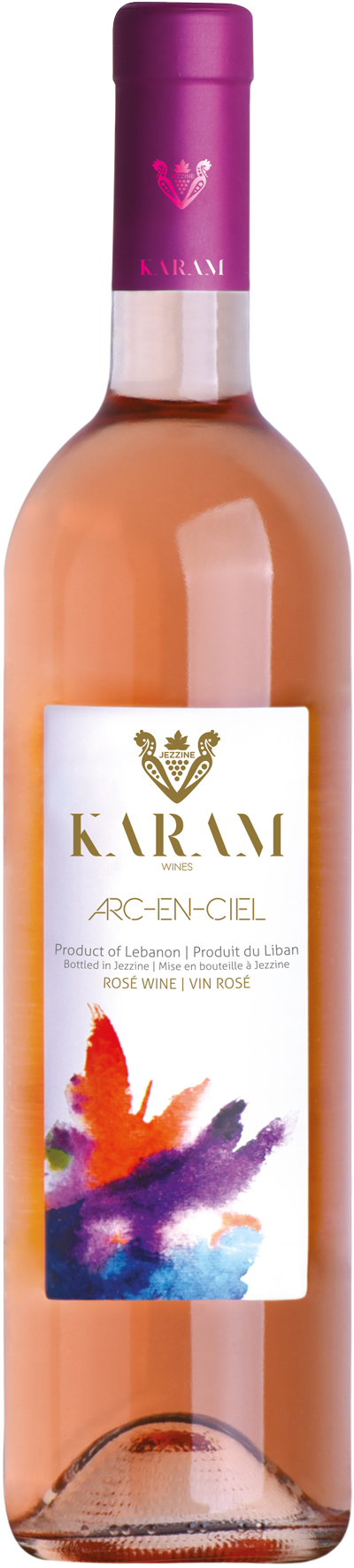
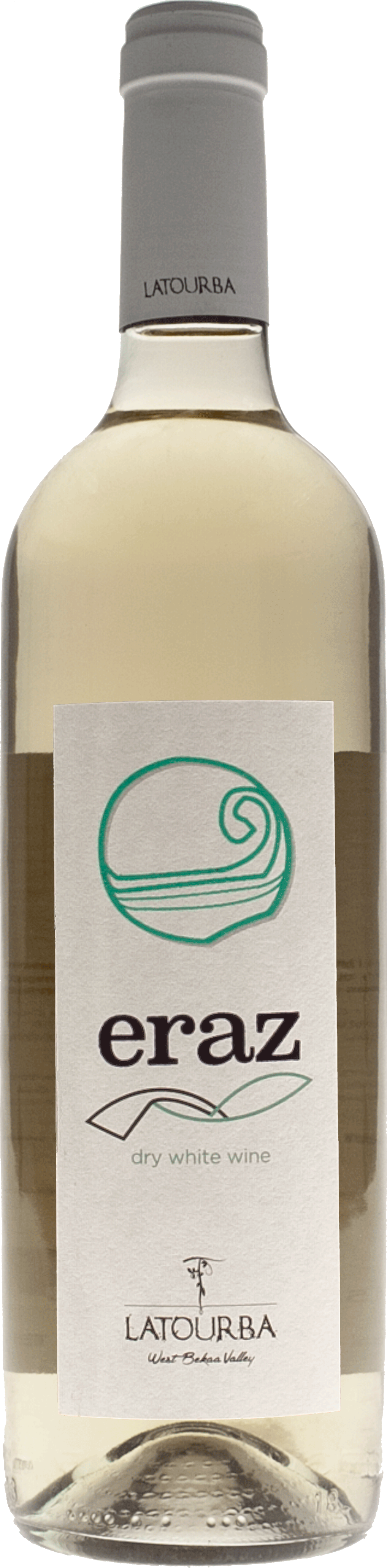
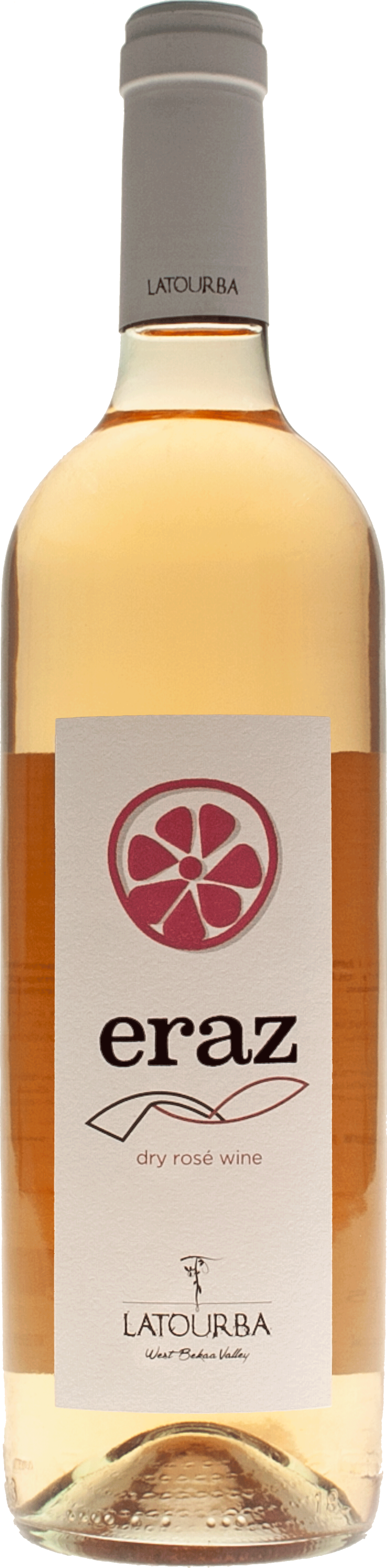
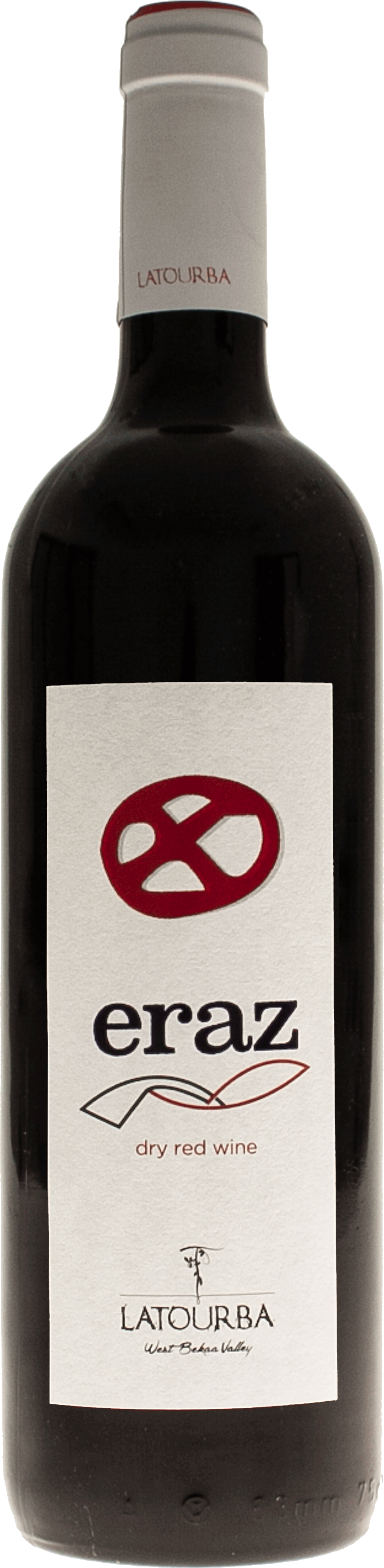
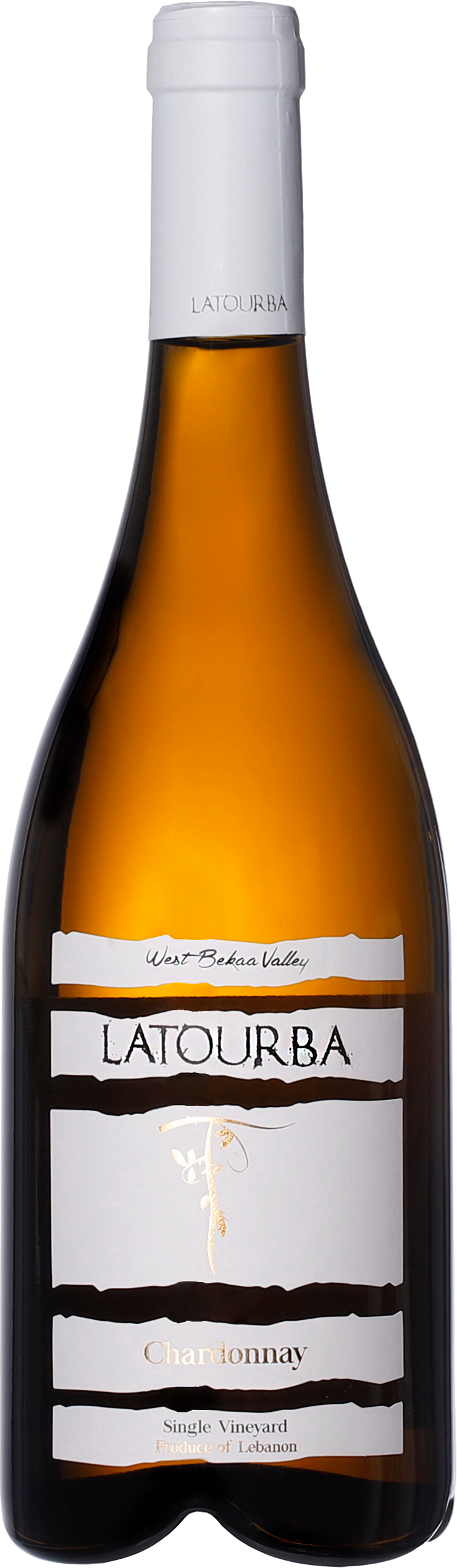
No matching wines. Try another search term.
Look for citrus, white peach and herbs in fresh whites, or try a fuller wine with the texture of ripe stone fruit. Obeidi and Merwah give a starting point for exploring local varieties.
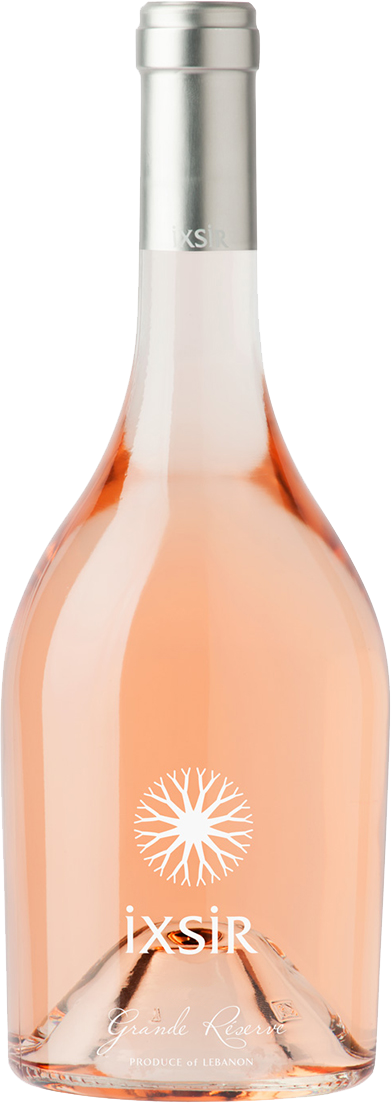
Red berries, herbs and lively acidity make Lebanese rosés easy to bring to a meal. Try the lighter styles with mezze or fish and the rounder wines with grilled dishes.

Lebanese reds span bright cherry and fragrant herbs to darker fruit and mature oak. Cinsault, Carignan, Syrah and Cabernet Sauvignon are good varieties to explore across producers.

Discover Lebanon’s wine culture, learn how climate and soils shape its vineyards, or meet the winemakers.
For the wine trade
We arrange deliveries to restaurants, specialist wine shops, wholesalers and importers across Europe, including Spain. Tell us which wines you’re interested in, how much you need and where you’d like them delivered. Our team will check availability and discuss delivery options with you.
Discuss supply with Caracter Wines