Château Cana and its roots
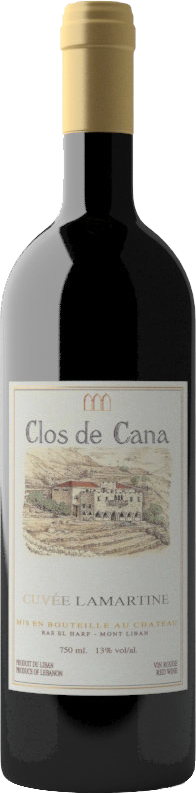
Château Cana grew out of an effort to restore farmland around Ras El Harf after the Lebanese Civil War. Vines returned to old terraces in a sheltered valley of Mount Lebanon. The estate’s story is also about sharing the skills needed to put those terraces back to work.
Fadi Gerges and the return to Ras El Harf
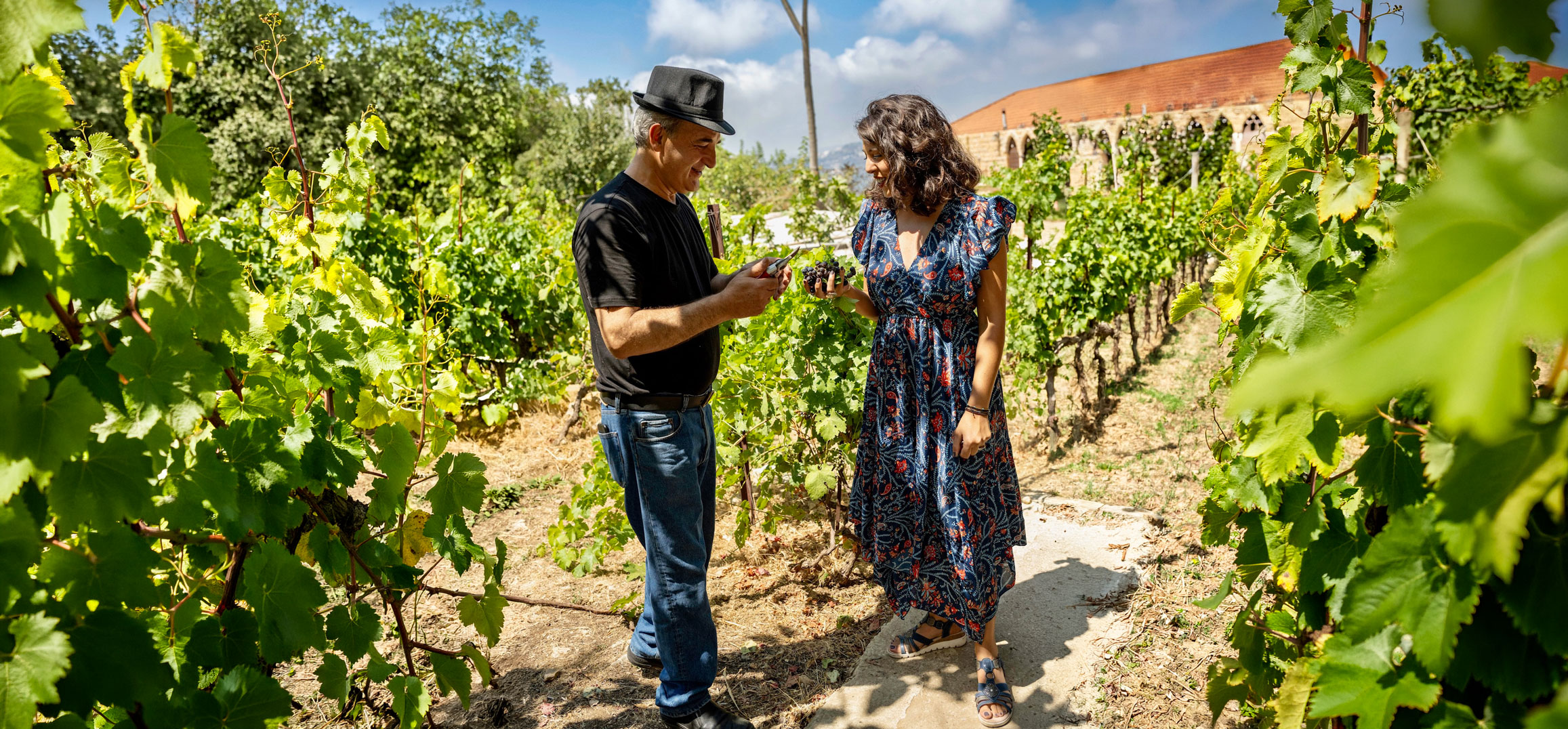
A dentist and human rights advocate, Fadi Gerges wanted to bring neglected land back into cultivation. He planted vines around Ras El Harf and shared his experience with families in about 30 nearby villages. The third generation now works in the family enterprise.
Old terraces and pine woods
The vineyards lie around 900 metres above sea level in a sheltered mountain valley. Pine woods and terraced slopes frame the site, with around 300 sunny days a year. The warmth helps the fruit ripen, while cool mountain nights help preserve its acidity.
Hand work and a growing cellar
The family combines practical farming experience and hand work with a modern cellar that has grown alongside the project. Watching each plot helps the team choose when to pick the different varieties. Processing grapes promptly protects the fruit and freshness that come from the terraces.
From Cabernet and Cinsault to Muscat
Cabernet Sauvignon, Syrah, Merlot and Cinsault are among the grapes used across the reds and rosés. Chardonnay and Muscat feature in the whites. The reds can be dark-fruited and spicy. White and rosé styles bring out the lighter, fresher side of the estate.
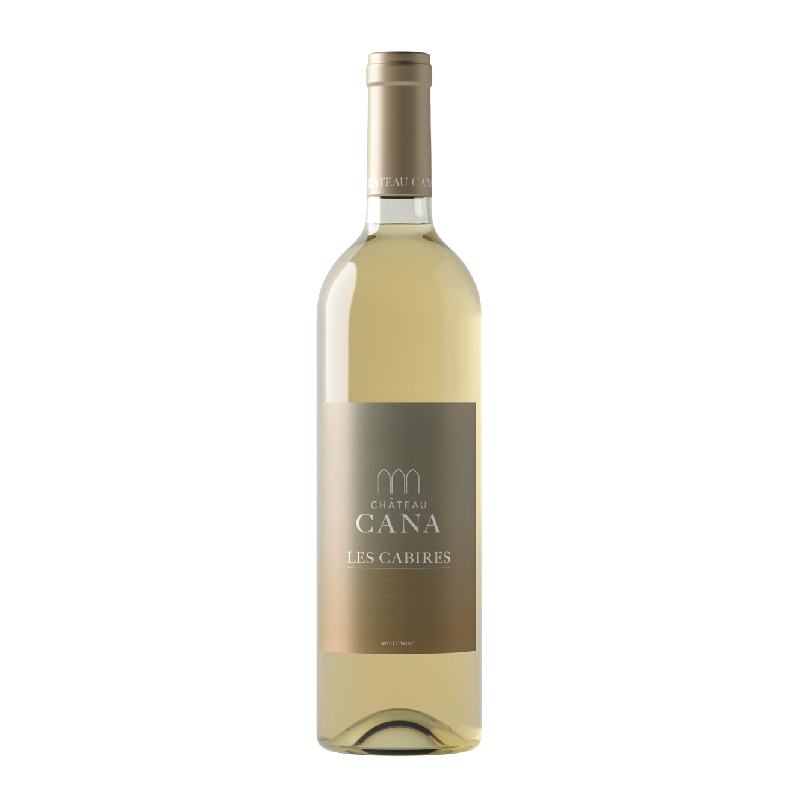
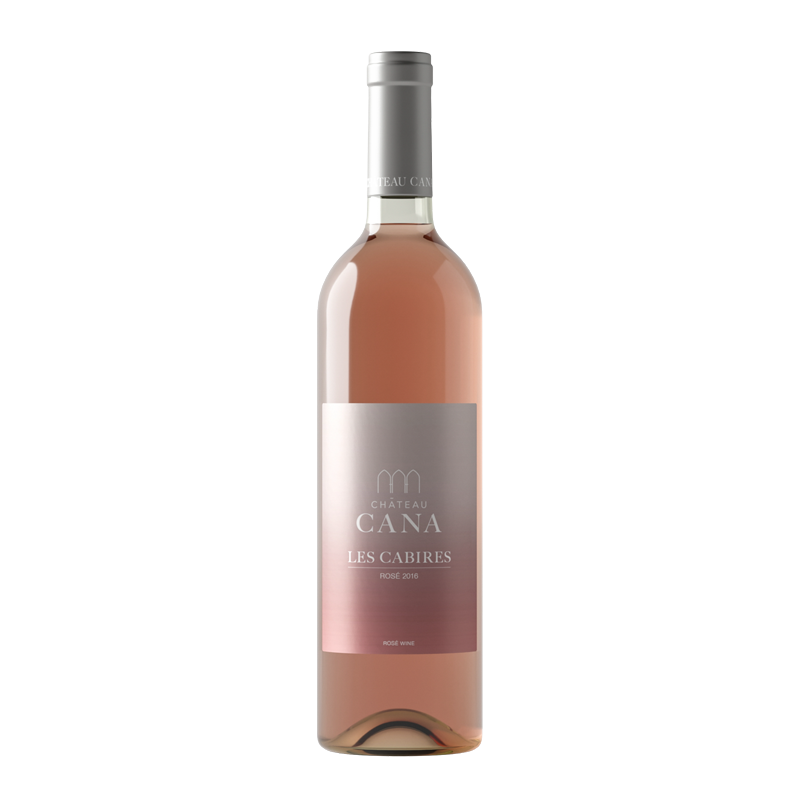
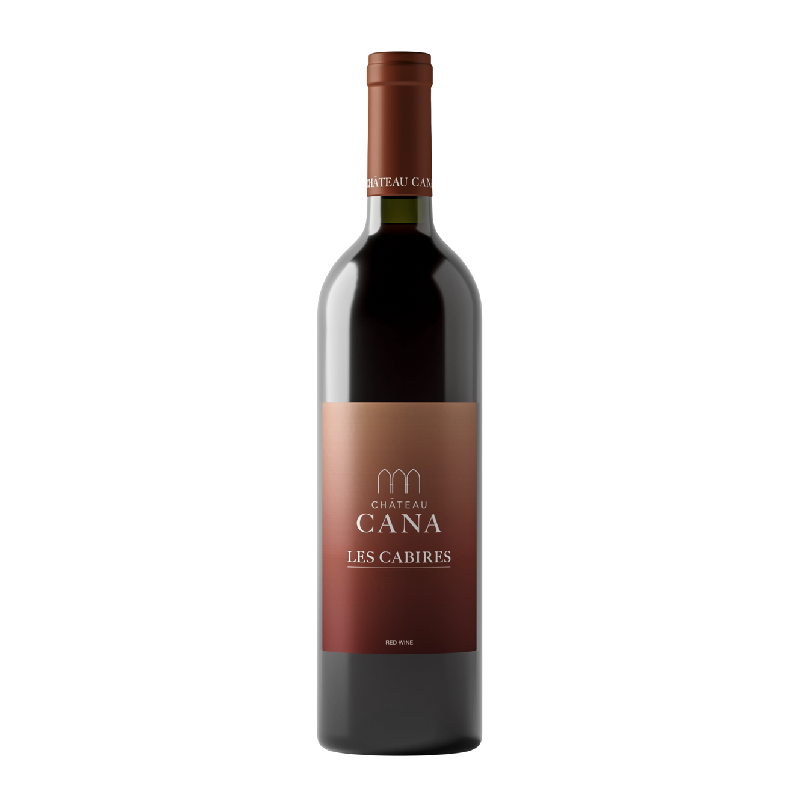
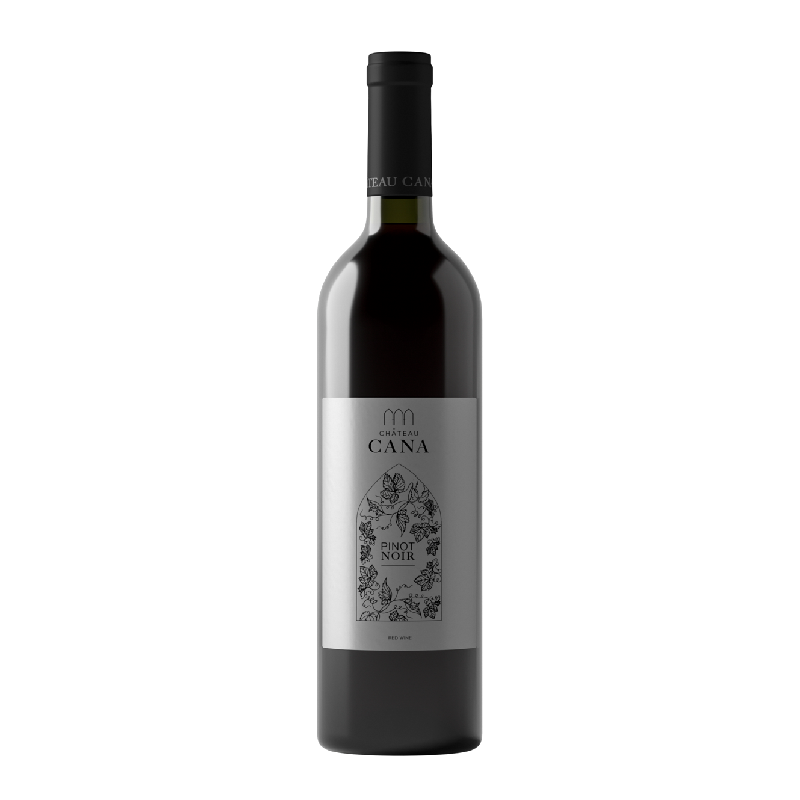
The three Les Cabires wines give a simple way to compare styles. Raspberry and wild strawberry mark the rosé, while dark and red berries meet pepper in the red. The range also includes a varietal Pinot Noir.
Serving Château Cana wines
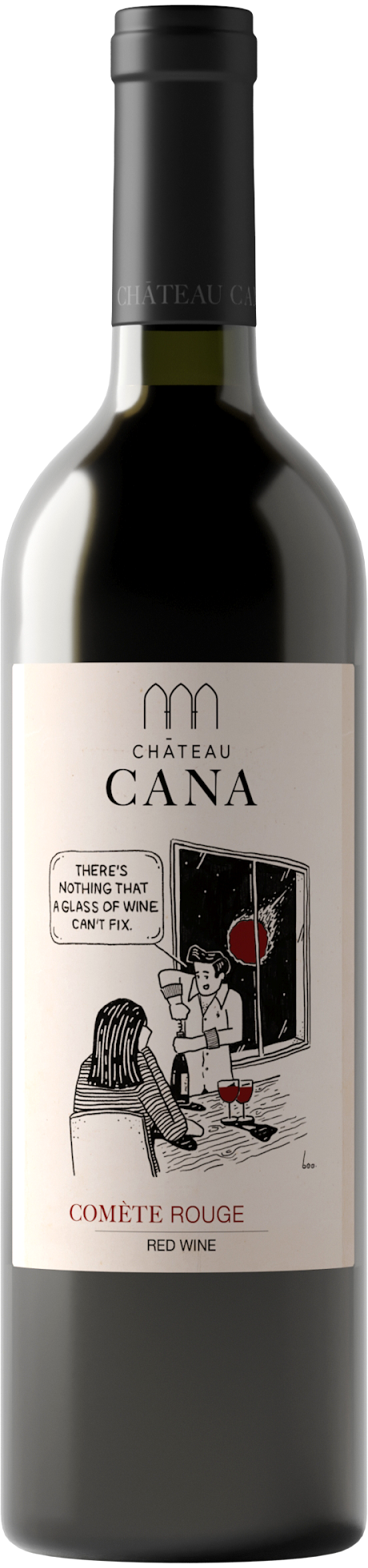
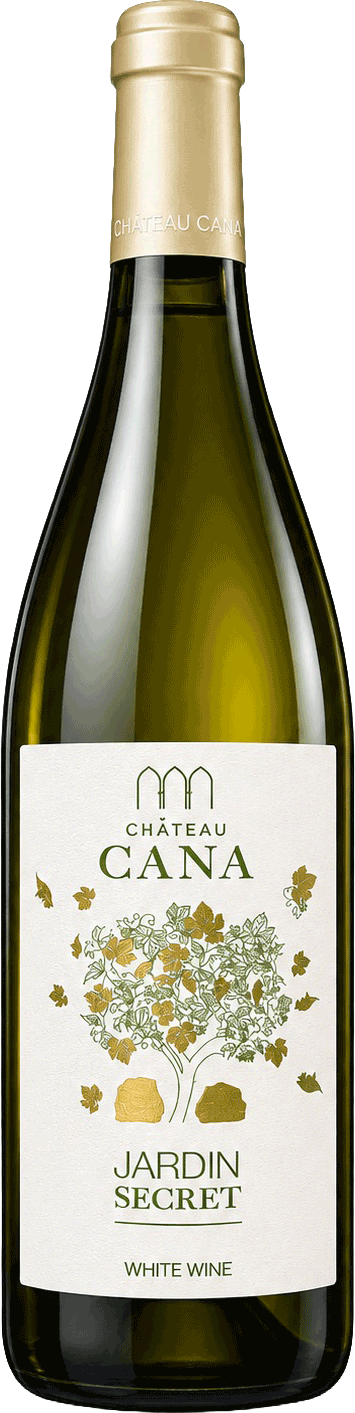
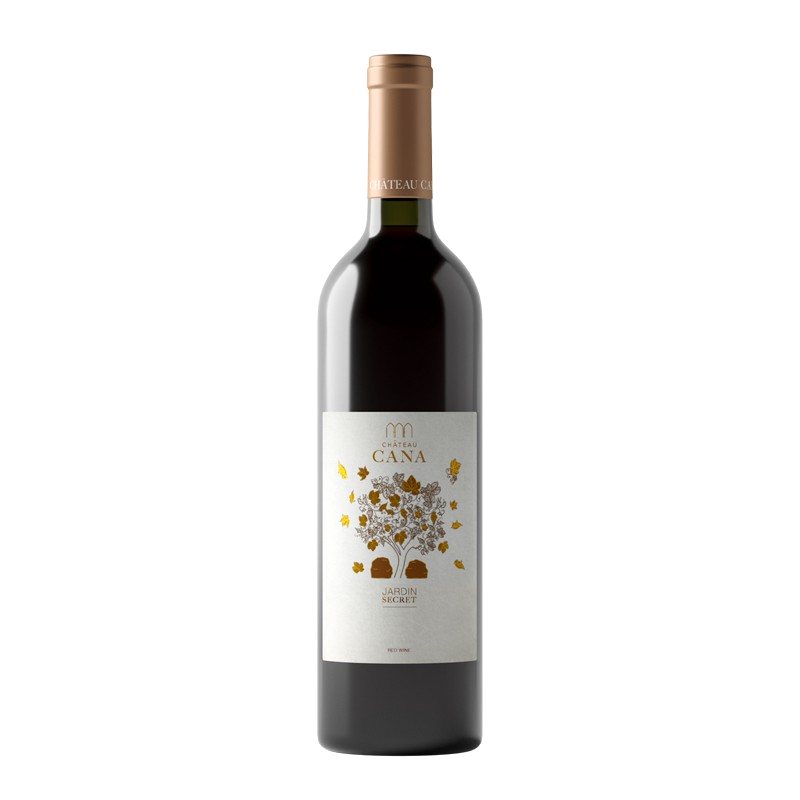
Comte de Cana, Jardin Secret and Cana Rosé show different sides of the winery. On the table, try the wines with stuffed vine leaves, lamb ragout, kafta or a savoury sheep’s cheese. The whites can accompany fish and cold mezze, while a fuller red can stand up to a richly seasoned sauce.