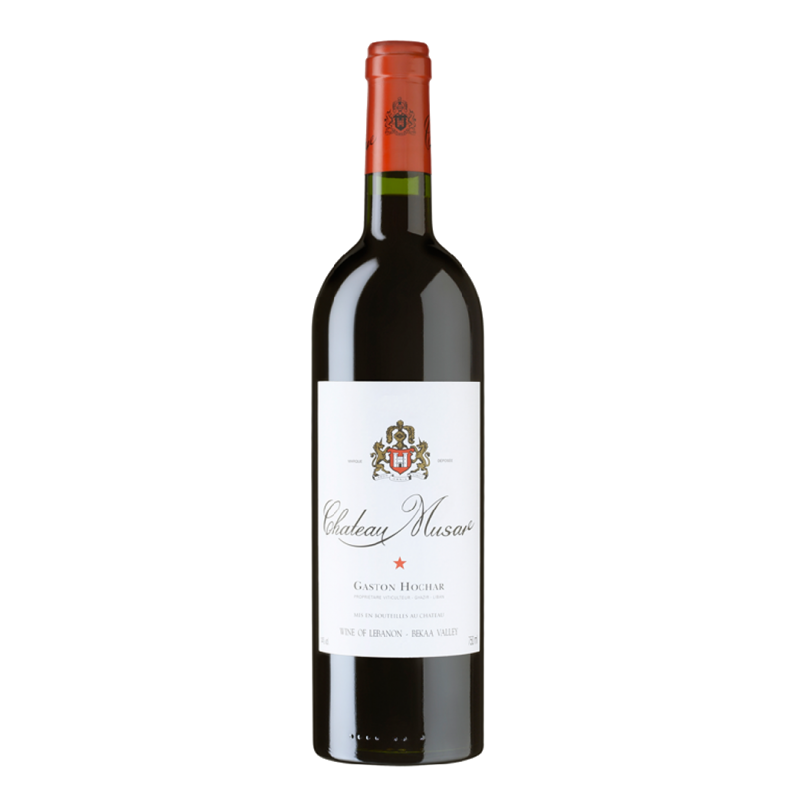
Château Musar and its roots
Château Musar draws its character from a journey between vineyards and cellar. Old vines grow on limestone-rich soils in the Bekaa Valley, while the house is based in Ghazir. Its wines can take on a different personality as they age, and the winery gives them time to develop before release.
Gaston and Serge Hochar
Gaston Hochar founded Château Musar in 1930 after gaining experience in Bordeaux. His son Serge developed an individual style whose wines could age for many years. The family kept harvesting through most of the war years, and the wines gained an international following.
Old vines in the Bekaa
Many of the vines grow on limestone-rich sites at around 1,000 metres. Dry sunshine helps the grapes ripen, while cool nights preserve brightness. The geology, altitude and age of the vines are part of what gives the reds both ripeness and freshness.
Barrel ageing, blending and bottle rest
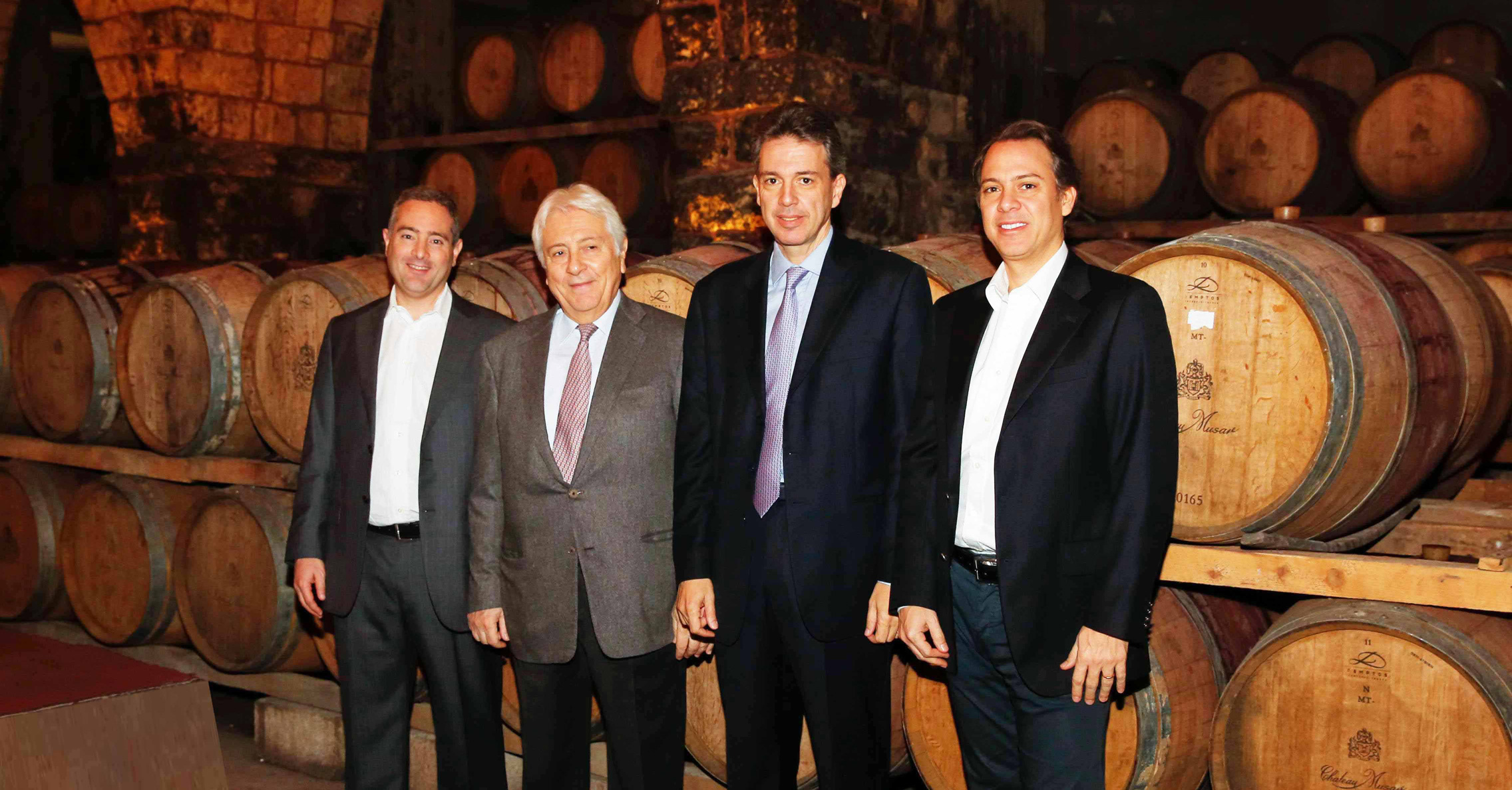
The cellar team gives the reds time. Barrel maturation comes first, then blending, followed by more time in bottle. That sequence allows each vintage to develop before it reaches the table. The difference between younger and mature bottlings is one way to explore the style.
Cinsault, Cabernet Sauvignon, Carignan and local whites
Cinsault, Cabernet Sauvignon and Carignan feature in the reds. Obaideh and Merwah are important to the distinctive white side of the range. Mature reds can move from dark fruit and spice towards notes of dried fruit, herbs, tobacco or leather.
Musar at the table
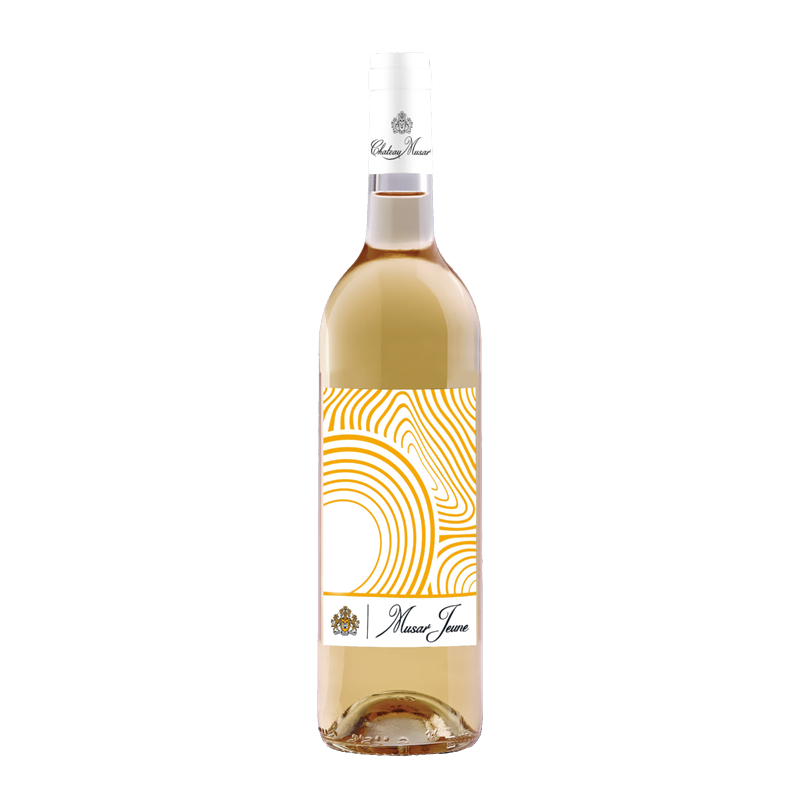
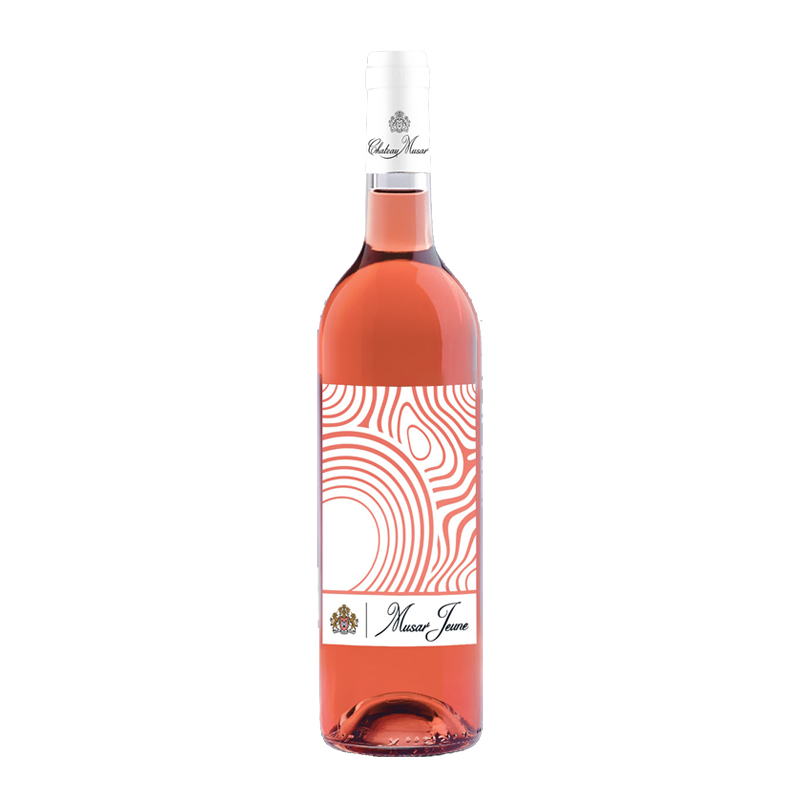
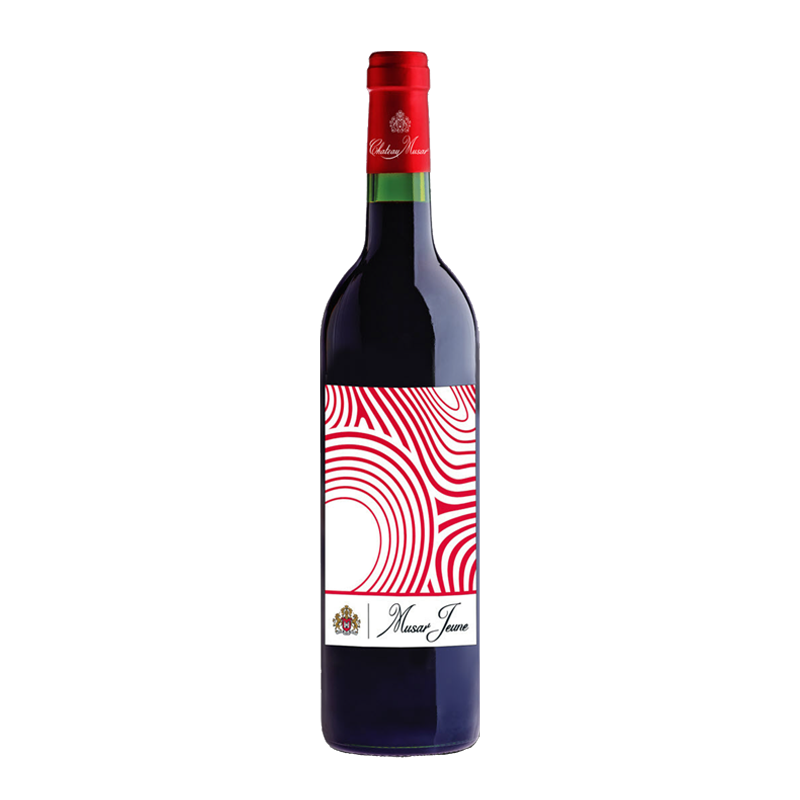
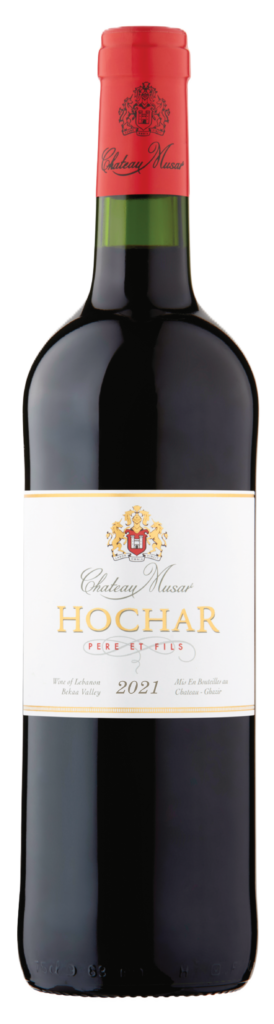
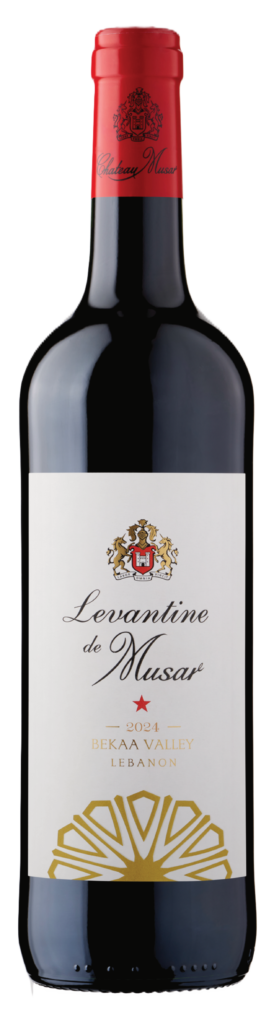
Château Musar Red, Hochar Père et Fils and Musar Jeune each offer a different entry into the range. Try the reds with lamb, game, braised aubergine or aged cheese. For a table of mezze, consider how the weight of the wine matches the dishes and the intensity of the seasoning.
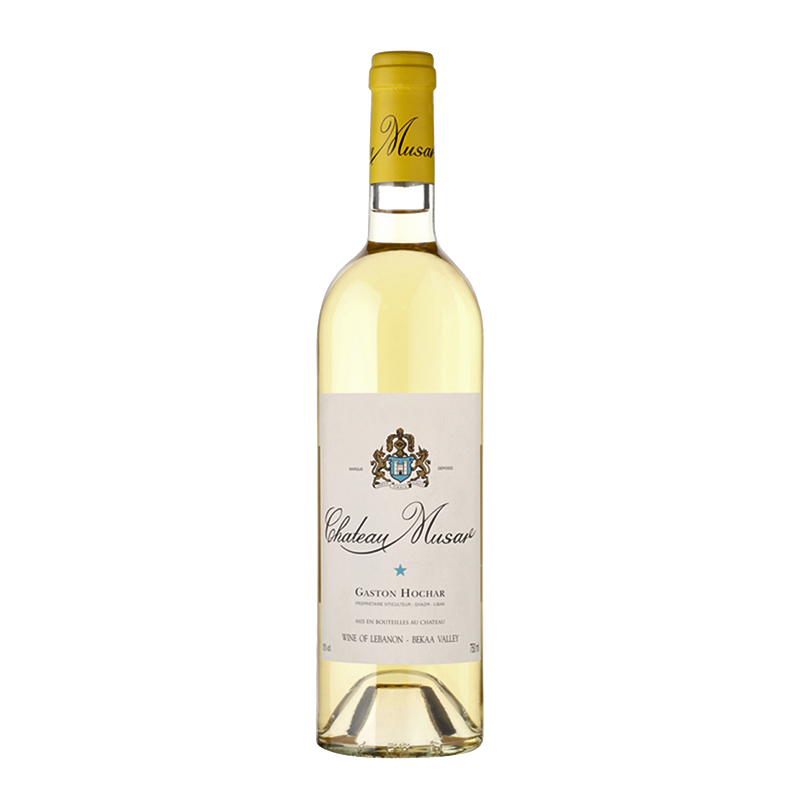
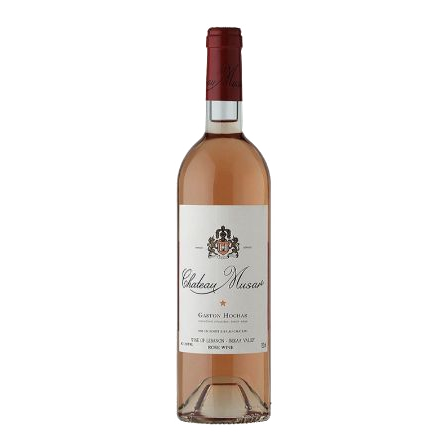
The Musar Jeune range also offers white, rosé and red to compare. The white has a tropical side, with pineapple and lychee. In the red, fruit moves from blackcurrant and cherry towards plum and blueberry.