Inside Château Musar Rosé
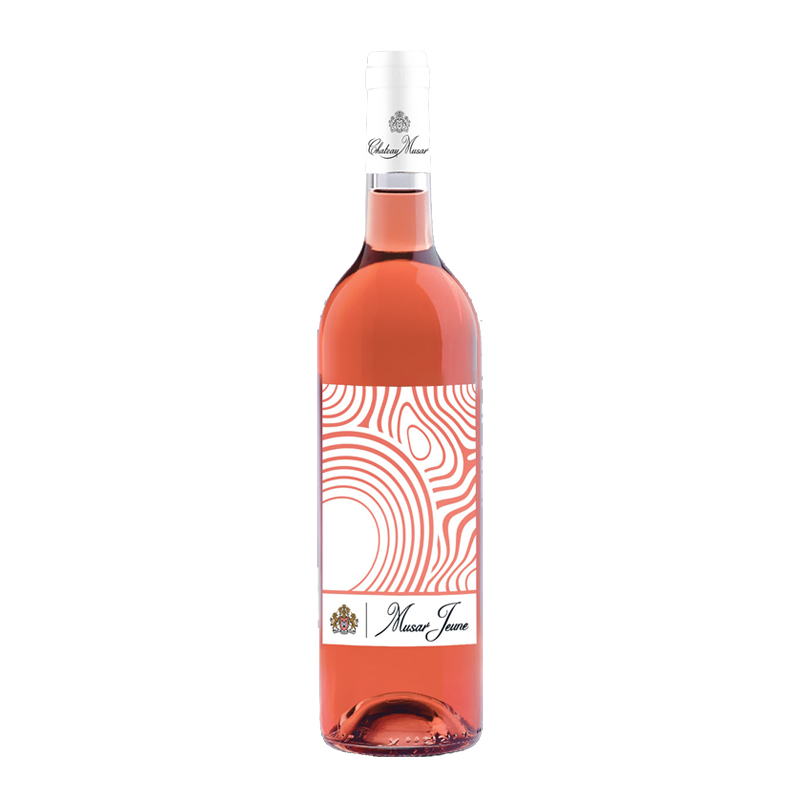
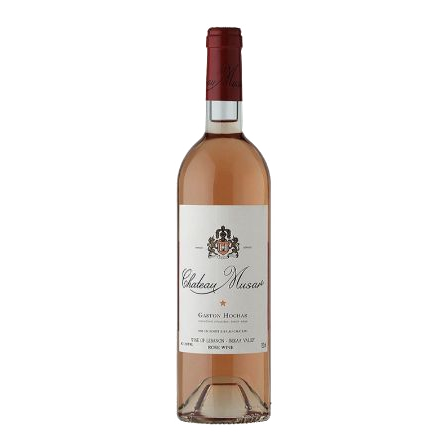
This rosé combines two white grapes with three red ones. The colour and the range of aromas are both worth looking at before the first sip. Pomegranate and berries are distinct at first. Then mandarin and the perfumed rosewater arrive rather more quietly. The colour has a clear yellow tinge when poured. Alongside the pomegranate, it is worth following the lighter strawberry and raspberry. Then the mandarin and rosewater soften the sharper fruit and add a more fragrant note towards the end.
Tasting notes
Aromas
 Red berries
 Strawberry
 Raspberry
 Cherry
 Pomegranate
 Mandarin
 Vanilla
 Quince
 Rosewater
 Citrus fruit
 Red fruit
Style & mouthfeel
 Dry
 Delicate
 Elegant
 Berry-forward
 Cherry-led
 Fresh
 Lively
 Well balanced
 Balanced acidity
 Fruity
 Velvety
 Well-integrated tannins
 Harmonious
Vineyard origin
The source vineyards for Château Musar Rosé lie around Zahlé in the Bekaa Valley. The fruit grows roughly 900 metres above sea level, on loam and calcareous soil. While sunny conditions help grapes ripen, the contrast with cooler nights helps preserve acidity. That is useful to remember with a rosé that has more palate presence than its opening of red berries might suggest. Pomegranate offers a particularly clear marker for the fresher side.
Grapes and vineyards
Obeidi and Merwah join Cinsault, Cabernet Sauvignon and Syrah in the blend. The team follows the varieties as the season progresses, then makes its harvest decisions according to ripeness. The palate provides a way to appreciate the range of the cuvée. Start with the red fruit. Then compare fragrant strawberry with the tarter pomegranate and see how the latter sets up the finish.
Winemaking and maturation
Obeidi and Merwah join Cinsault, Cabernet Sauvignon and Syrah in the reference. Fermentation takes place in stainless steel. Then the documented wine spent nine months in new French oak from Nevers. This is a useful distinction for a rosé whose citrus and floral character remains clear beside vanilla.
Character in the glass
Château Musar Rosé smells of strawberry and raspberry before turning to pomegranate and mandarin. Rosewater softens the brighter citrus scent. Then quince comes through on the palate, beside more red berries and a little vanilla. The texture has enough body to bring those notes together. Still, the acidity gives the finish a lift, leaving the citrus and fruit easier to identify.
Fresh acidity carries a mix of red berries and quince. Vanilla is most apparent on the finish, where it stays in balance with the fruit.
At the table
Try Château Musar Rosé with pan-fried fish, seafood or smoked salmon. That brings out the fresher part of the palate, while a well-flavoured cheese shows more quince and vanilla. Cold tapas let the perfume emerge in smaller steps. If you serve it with white meat, the acidity still matters as much as the fruit or the oak detail.
 Pungent cheeses
 White meat
 Pan-fried fish
 Seafood
 Aperitif
 Cold tapas
 Salmon
 Smoked salmon
 Cheese
 Mezze
 Starters