European trade enquiries

Winery profile / Château Qanafar

Khirbet Qanafar, western Bekaa · Lebanon

Château Qanafar

Estate-grown wines from the western Bekaa

The Naim family makes wine from its own vineyards, planted on limestone-rich clay around the cellar at Khirbet Qanafar.

Explore the wines
A Lebanese winery

Château Qanafar and its roots

At Château Qanafar the journey from vineyard to cellar is short. The Naim family built the winery among its 17 hectares of vines at Khirbet Qanafar in the western Bekaa. All the fruit comes from these vineyards, where the vines are grown without irrigation and nights are cool.

From George Naim’s interest in wine to a family estate

George Naim began growing grapes in 2005 out of personal interest. The work soon developed into a family enterprise. Placing the winery among the vines kept the plots close to the cellar. The family still works with its own grapes rather than buying fruit.
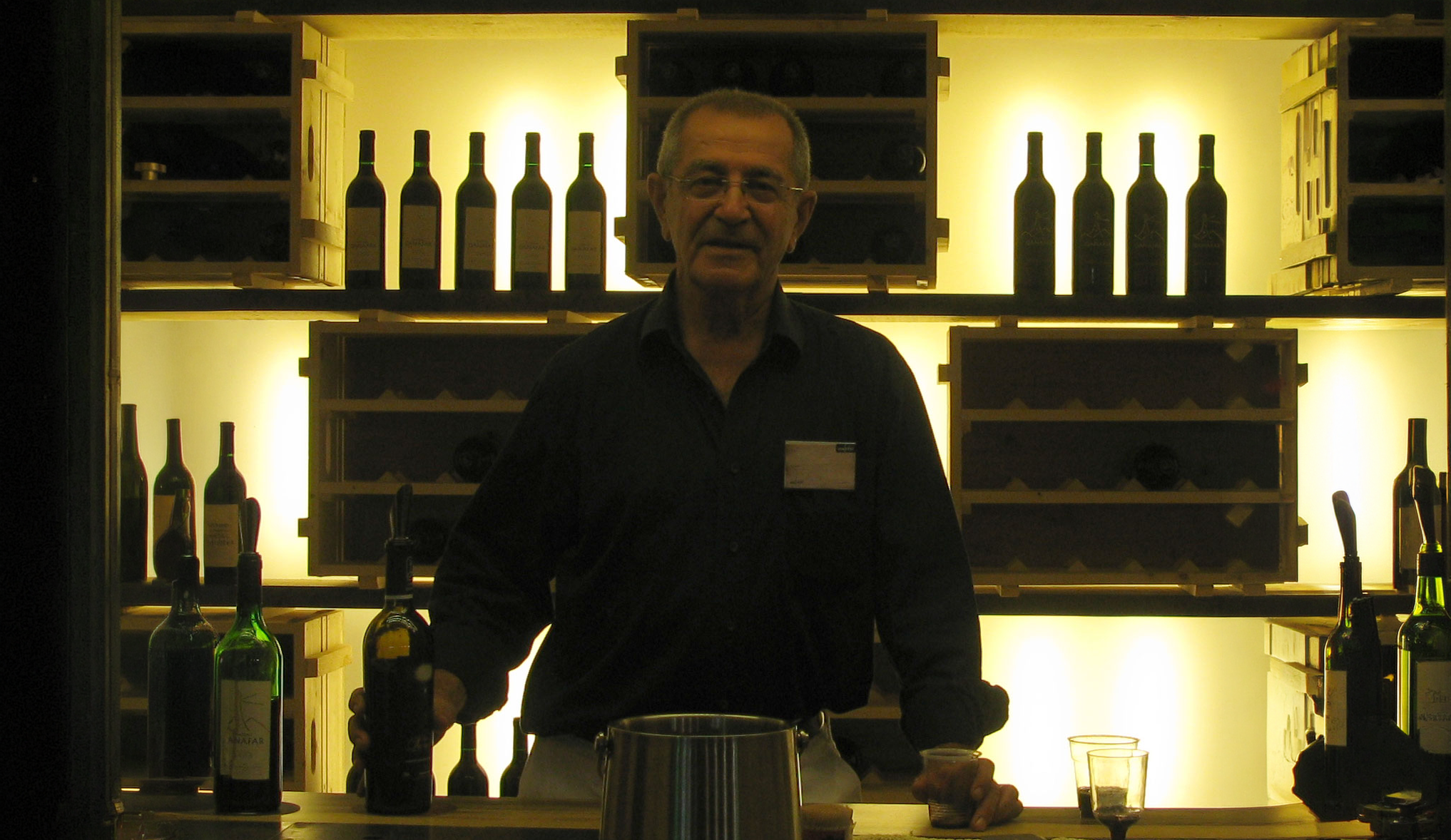
George Naim behind the tasting counter at Château Qanafar

Gentle slopes and deep roots

The vineyards sit on gently sloping ground at around 1,200 metres. The soil is limestone-rich clay. Vines are not irrigated and their roots reach deep. Exposure and cooler nights help give the wines the combination of intensity and fresh acidity associated with the site.

Hand picking and a short route to the cellar

The grapes are harvested by hand. Because the cellar is in the vineyard, it can receive the picked fruit quickly. The team aims for few interventions, keeping the intensity of the fruit and the acidity that comes from the high site.

Cabernet Sauvignon, Syrah, Cinsault and Sauvignon Blanc

The reds work with Cabernet Sauvignon, Syrah and Cinsault, while Sauvignon Blanc is an important part of the white range. Fuller wines can bring dark fruit and spice to the table. The whites offer another expression of the same cool nights and limestone-rich slopes.

Blanc de Qanafar is a single-variety Sauvignon Blanc, with notes of grapefruit, passion fruit and herbs. Farandole offers a contrast as a red blend of Syrah and Cabernet Sauvignon. This pair makes the difference between the winery’s fruit-led whites and reds easy to explore.

The Château and Paradise wines

Start with the Château Qanafar red and white or one of the Paradise wines. The reds can accompany lamb or beef. A fresher wine can work with grilled vegetables, spiced mezze or goat’s cheese, particularly as the mix of dishes changes around the table.
Gallery

A closer look at Château Qanafar

The gallery follows a season from budburst to harvest, with views of the vineyard in winter and of bottles resting in the cellar.

9 photographs · Select any image to enlarge it

Wines from Château Qanafar

9 of 9 wines

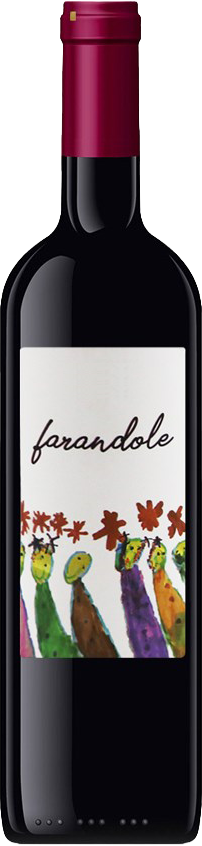
Bottle of Farandole from Château Qanafar
Entry

Farandole

Syrah · Cabernet Sauvignon

Farandole is a red blend of Syrah and Cabernet Sauvignon from Château Qanafar. The family estate's West Bekaa vineyards sit near Khirbet Qanafar. Its entry cuvée was conceived around shared meals, with salads, starters, grilled fish and gently spiced dishes among the suggested matches.

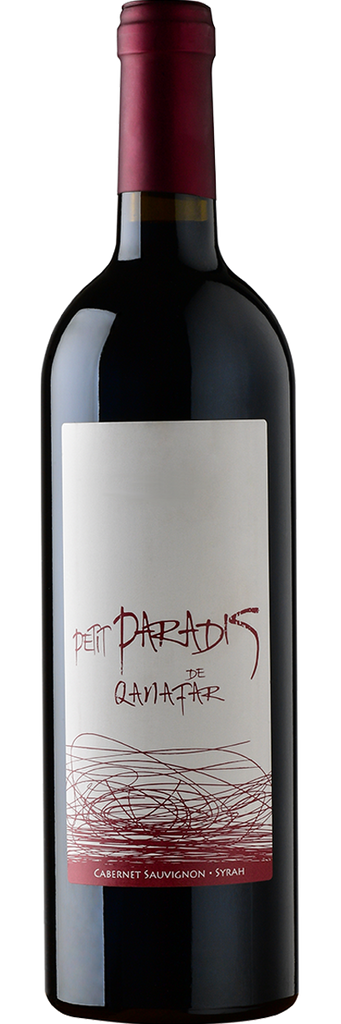
Bottle of Petit Paradis de Qanafar from Château Qanafar
Entry

Petit Paradis de Qanafar

Syrah · Cabernet Sauvignon

Petit Paradis de Qanafar is Château Qanafar's medium-bodied red blend of Syrah and Cabernet Sauvignon. Ripe black fruit and spice stand out on the nose. A fresh line of acidity keeps the palate lively, while soft tannins round off the fruit. The documented reference ferments in stainless steel.

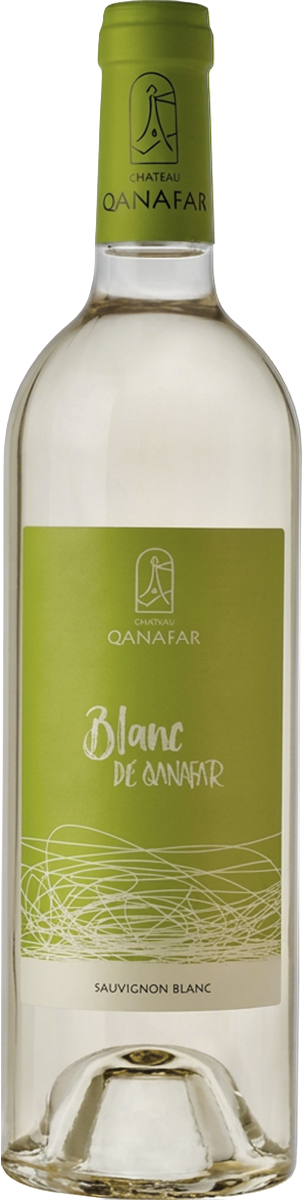
Bottle of Blanc de Qanafar from Château Qanafar
Medium

Blanc de Qanafar

Sauvignon Blanc

Blanc de Qanafar is a dry Sauvignon Blanc from Château Qanafar in the West Bekaa. Grapefruit, passion fruit and guava fill out the nose. Crisp acidity gives the palate lift, and the finish turns herbal. The documented 2020 reference fermented and matured in stainless steel.

View wine Single variety
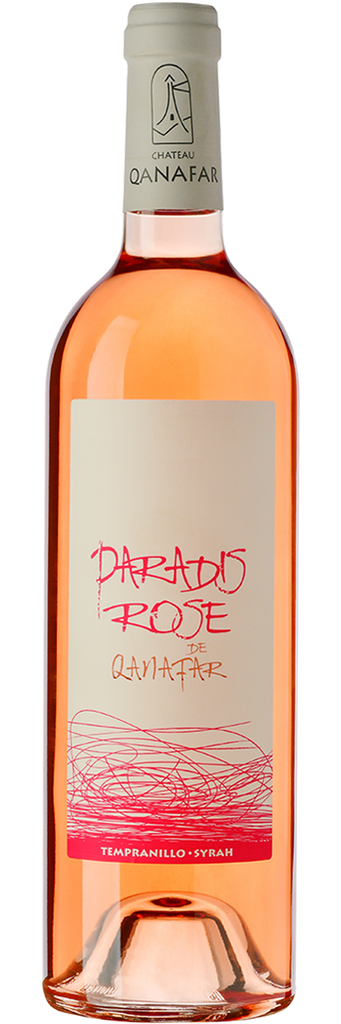
Bottle of Paradis Rosé de Qanafar from Château Qanafar
Medium

Paradis Rosé de Qanafar

Tempranillo · Syrah · Zinfandel

Paradis Rosé de Qanafar is Château Qanafar's dry West Bekaa rosé. Tempranillo, Syrah and Zinfandel make up the documented 2019 blend. Lychee, raspberry, strawberry and citrus carry from the nose into the palate, where lively acidity keeps the fruit in balance.

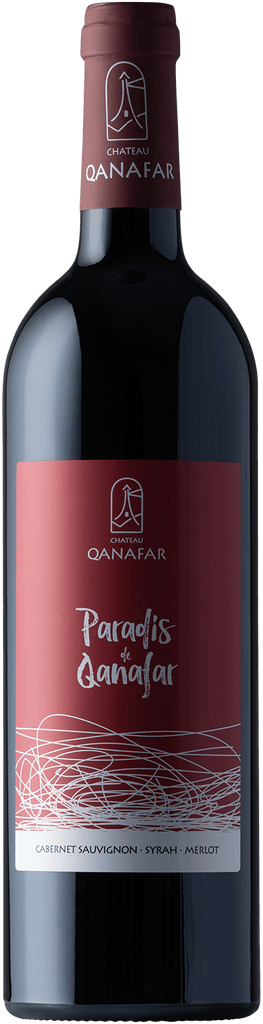
Bottle of Paradis de Qanafar from Château Qanafar
Medium

Paradis de Qanafar

Cabernet Sauvignon · Syrah · Merlot

Paradis de Qanafar blends Cabernet Sauvignon, Syrah and Merlot, with proportions varying across accounts. Cassis and dark fruit meet spice and a discreet oak note. Soft tannins and good acidity give the palate balance. The documented 2016 wine spends twelve months in second-use French oak.

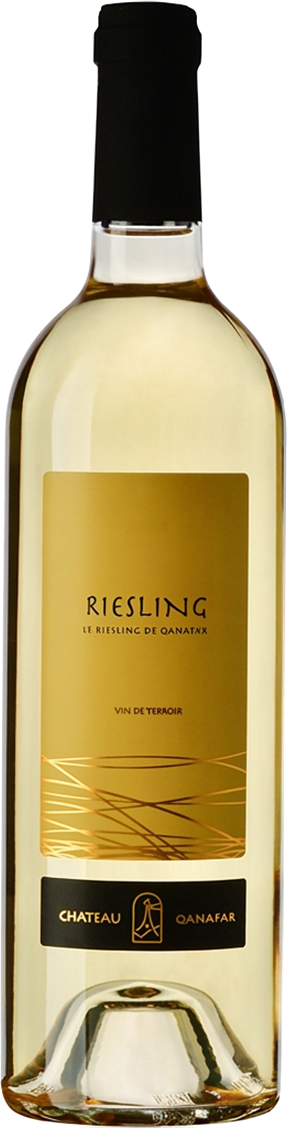
Bottle of Riesling de Qanafar from Château Qanafar
Signature

Riesling de Qanafar

Riesling

Riesling de Qanafar is a dry West Bekaa Riesling from a small limestone parcel. Citrus, pear and tropical fruit meet a lively palate and a mineral impression. The 2020 reference records twelve months in French oak, while the tasting accounts emphasise the grape's fruit and freshness.

View wine Single variety
Bottle of Cocu de Qanafar from Château Qanafar
Signature

Cocu de Qanafar

Cinsault

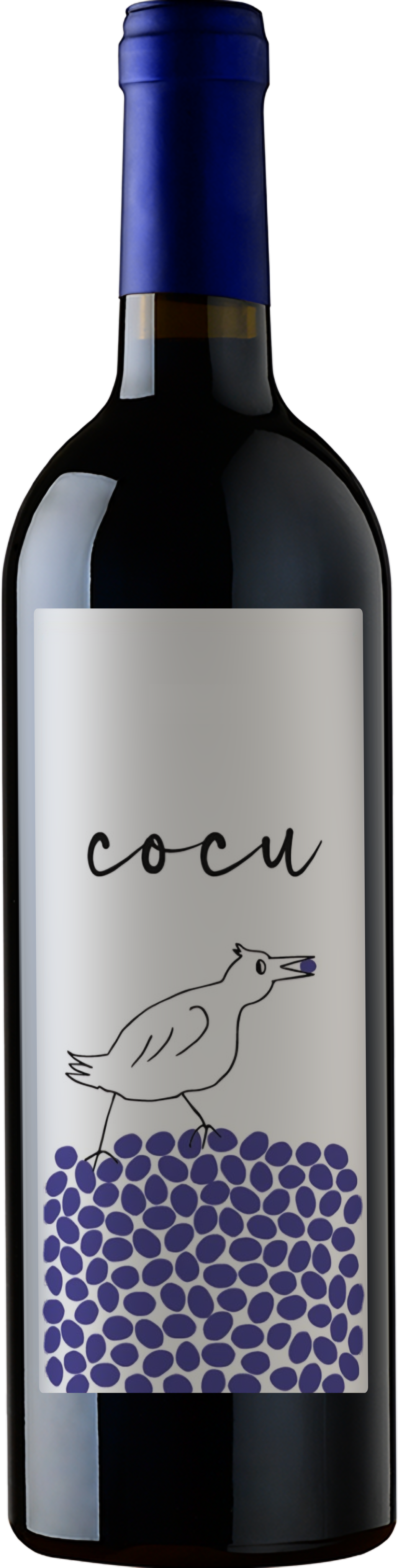
Cocu de Qanafar is Château Qanafar's dry single-variety Cinsault from the Bekaa Valley. Fruity and fresh on the palate, it has a light to medium body and an elegant feel. The estate suggests serving this Signature red slightly chilled, with mezze, fish or a simple pasta dish.

View wine Single variety
Bottle of Eva de Qanafar from Château Qanafar
Premium

Eva de Qanafar

Viognier

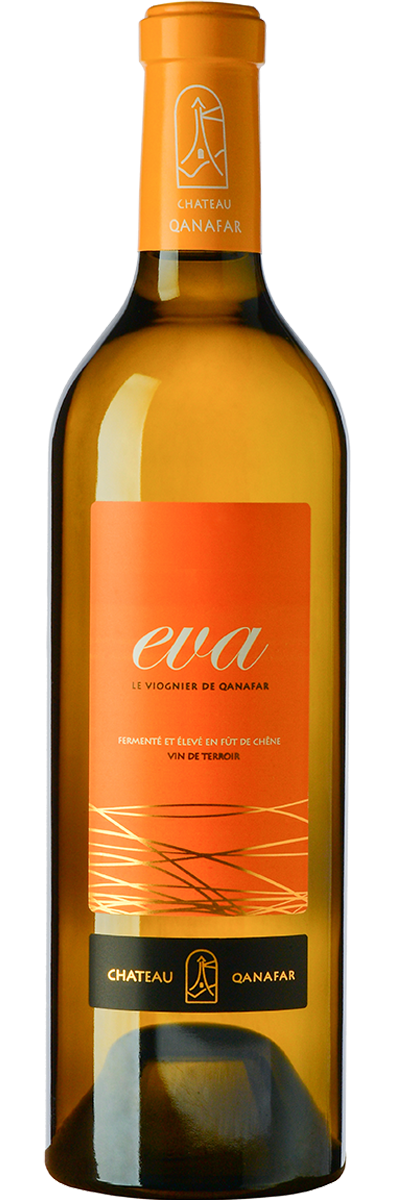
Eva de Qanafar is Château Qanafar's barrel-fermented Viognier from the West Bekaa. Flowers and fruit meet toasted wheat, grilled bread and a suggestion of smoke. The palate stays lively. The documented 2019 version matures for twelve months in French oak after fermentation.

View wine Single variety
Bottle of Château Qanafar
Premium

Château Qanafar

Cabernet Sauvignon · Merlot · Syrah

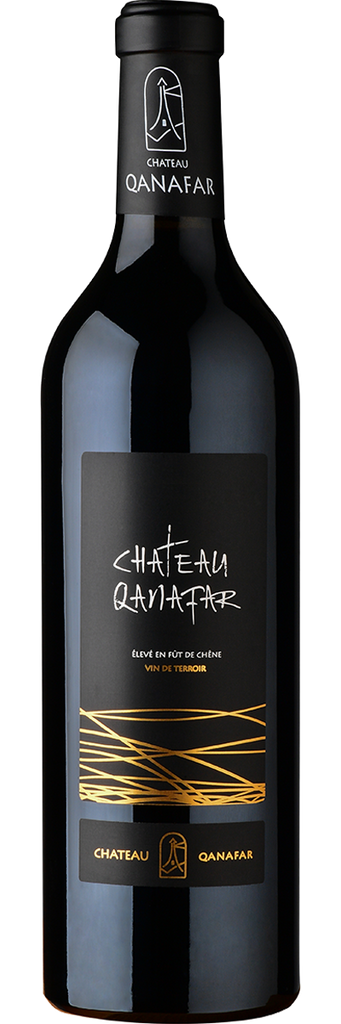
Château Qanafar brings ripe black fruit and blackcurrant into a full yet elegant red. Silky tannins from its time in French oak sit alongside a balancing line of acidity. The estate adjusts the blend to the harvest, so each recorded bottling has its own composition.

A bud opening on a grapevine
1 / 9

For the wine trade

Sourcing Lebanese wine in Europe

We arrange deliveries to restaurants, specialist wine shops, wholesalers and importers across Europe, including Spain. Tell us which wines you’re interested in, how much you need and where you’d like them delivered. Our team will check availability and discuss delivery options with you.

Discuss supply with Caracter Wines