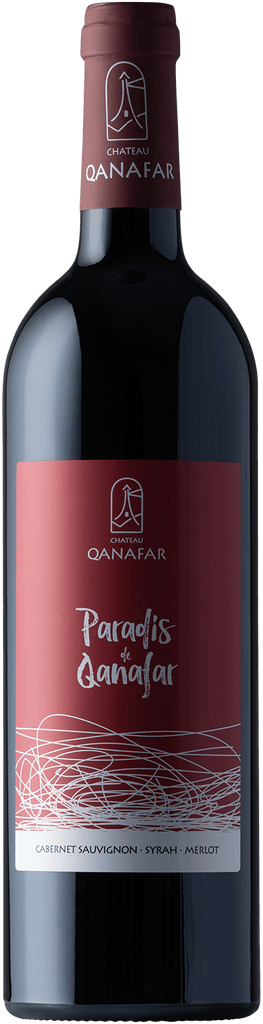
Cabernet, Syrah and Merlot in balance
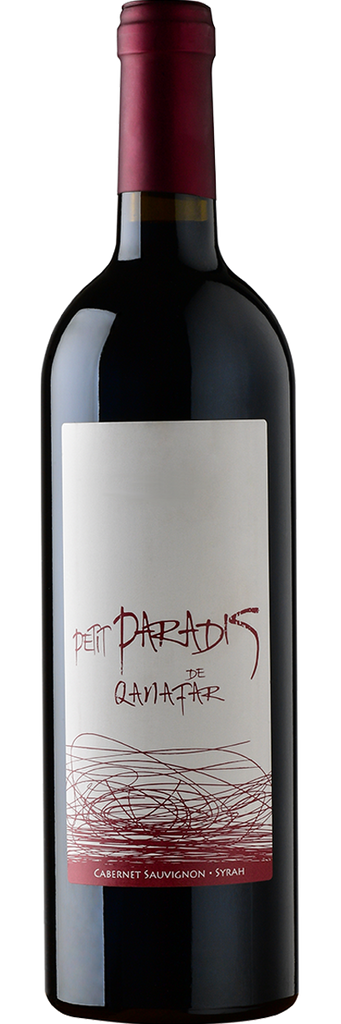
Paradis de Qanafar sits between Château Qanafar's entry reds and its premium cuvée. Its dark fruit is generous, but the oak tends to make a quieter impression. Cassis and spice are familiar points of reference from the estate's description. As you taste, the soft tannins become distinct from the acidity. The two give the fruit a shape that remains apparent through the finish.
Tasting notes
Aromas
 Blackcurrant
 Black fruit
 Spices
 Oak
 Dark berries
 Dark chocolate
 Plum
 Dark fruit
 Wood
 Ripe fruit
Style & mouthfeel
 Complex
 Soft tannins
 Balanced
 Full-bodied
 Creamy
 Fresh
 Harmonious
 Elegant
 Persistent finish
 Fruity
 Spicy
 Earthy
 Round
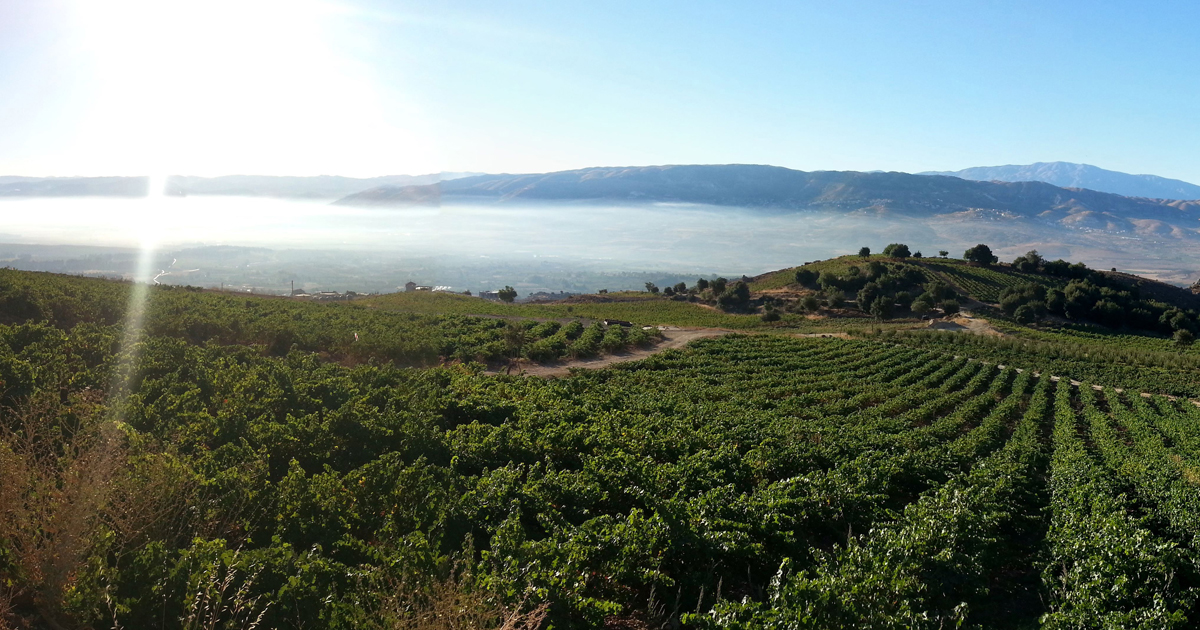
West Bekaa vineyards
The site lies above Khirbet Qanafar at about 1,200 metres in the West Bekaa. The family runs or tends the vineyards, and one account gives limestone as a soil type. These details give the blend a precise setting. The oak element carries a different kind of information. The winery describes it from the 2014 edition onward, which helps give earlier versions of the line their own place in the history.
Three grapes, with different proportions
The 2016 reference for Paradis de Qanafar gives more Cabernet Sauvignon than either Syrah or Merlot. A 2019 account names the same three varieties with Syrah in the lead. The percentages therefore describe particular bottlings. The estate also records picking by hand and describes making its own decisions about vineyard care and harvest timing. So a tasting of different releases can compare both the common grape varieties and the way their balance changes.
Steel fermentation and second-use French oak
The 2016 reference ferments at twenty-three to twenty-six degrees Celsius in steel, using selected yeasts. The team pumps over by hand twice a day. It then matures the wine for twelve months in second-use French oak. The sheet also records plant-protein fining followed by filtration. Together, these details give a specific account of that release. The subtle wood notes are a separate part of the estate's tasting.
Dark fruit and soft tannins
Blackcurrant and dark fruit lead into spice, while soft tannins and acidity become clear as you taste. Another account for 2019 suggests earth, dark chocolate and ripe plum. That is a more specific way to explore the red's fruit and savoury sides, with its own vintage context. In Paradis de Qanafar, you can start by comparing the cassis and oak in the aroma. Then follow the soft texture towards the longer finish the tasting describes.
Beef, pork and strong cheese
The pairing suggestions include red meat, beef and pork, as well as stronger cheeses. Try the wine with a plainly prepared piece of meat first. Then compare it with a dish where a sauce or spice has a more obvious presence. A bite of cheese later in the meal offers another texture for comparison. Notice how clearly the dark fruit carries through as the flavour and intensity of each dish change.
 Red meat
 Beef
 Pork
 Strong cheeses
 Cheese