Massaya and its roots
Massaya began with the Ghosn family's return to Tanaïl and grew into a winery shaped by two very different landscapes. The Bekaa Valley gives the wines ripe fruit, while the cooler slopes of Faqra bring a different kind of freshness. That contrast runs through the estate's reds, whites and rosés.
The Ghosn family returns to Tanaïl
The Ghosn family left its estate after the Lebanese Civil War began. In 1992, Sami Ghosn returned to Tanaïl and resumed making arak, the local anise spirit. His brother Ramzi chose a name inspired by the evening sky. Massaya's blue arak bottles became part of that early identity.
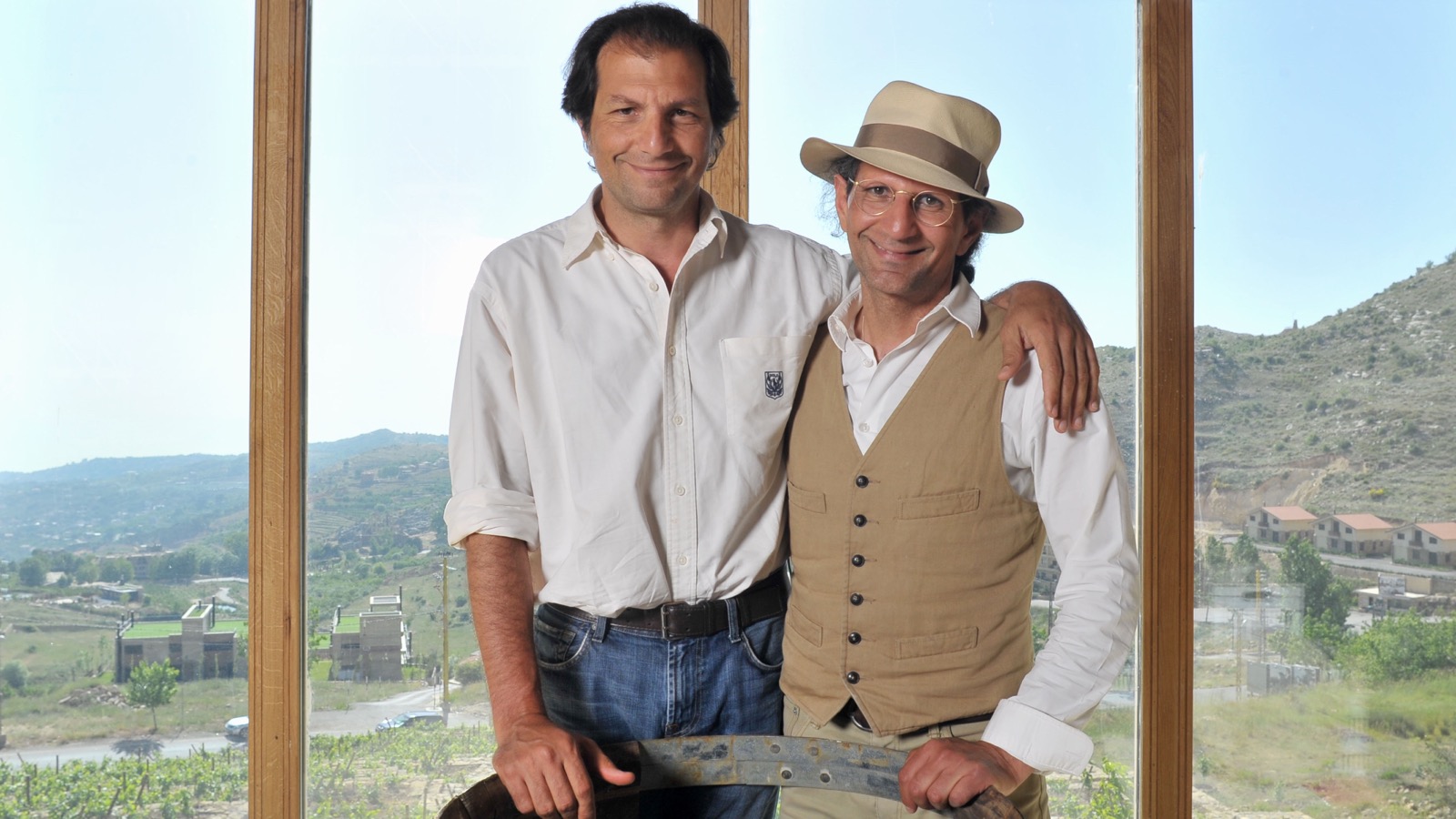
In 1998 the brothers began making wine with French partners. The project brought their family's knowledge of the Bekaa Valley into a collaboration that still shapes the estate. Photographs in the gallery show the family among the vines and the cellar team tasting and blending.
Vineyards in the Bekaa Valley and Faqra
In the Bekaa Valley, sunny days help bring out ripe fruit and spice. In Faqra, higher slopes and cooler conditions make for a different growing environment. Temperatures drop at night, helping the grapes retain the acidity that gives the wines their freshness.
The sites also differ in soil and exposure. Limestone, loam, gravel and weathered rock contribute to those differences, as do slope orientation and wind. Massaya works with this variety to make wines with both ripe fruit and the herbal or mineral notes that can come through in cooler sites.
Decisions in the vineyard and cellar
The team follows each plot through the growing season. Where the fruit needs more concentration, they limit yields. They harvest each variety when it reaches the ripeness they want, then process the fruit promptly to preserve its character and natural acidity.
In the cellar, the emphasis is on balance. Oak plays a supporting role in the wines that use it, helping build structure while leaving room for the fruit. The approach reflects the exchange between the Ghosns' vineyard experience and their French partners' input.
Grape varieties and wine styles
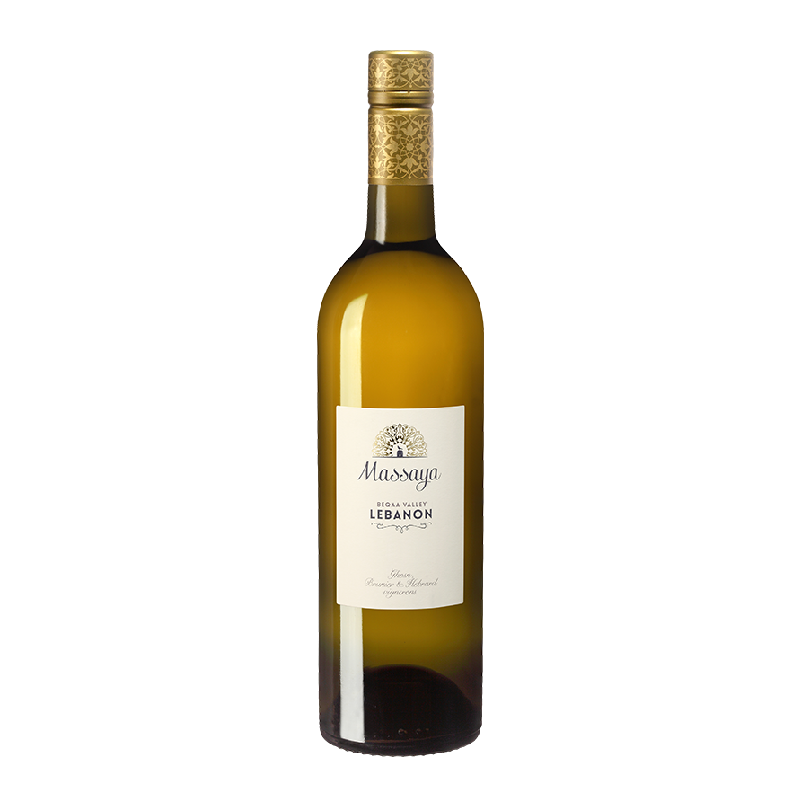
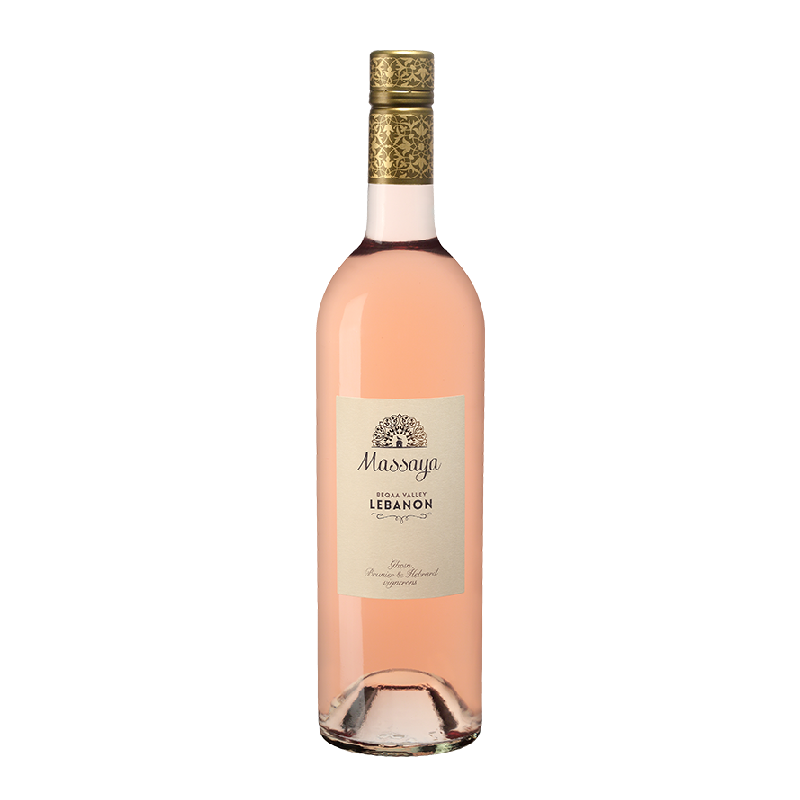
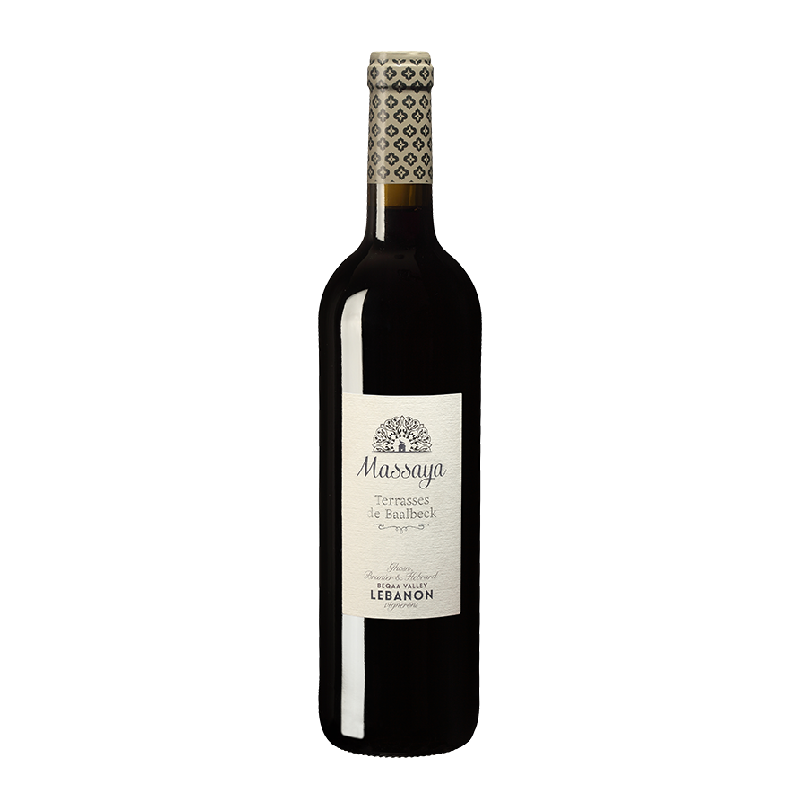
Cinsault, Grenache, Mourvèdre, Cabernet Sauvignon and Syrah feature in the range, alongside white varieties such as Sauvignon Blanc and Chardonnay. The reds can show dark fruit, spice and fine tannins. The whites lean towards citrus and floral aromas, sometimes with a saline edge. The rosés offer a lighter take on ripe fruit.
Massaya wines at the table
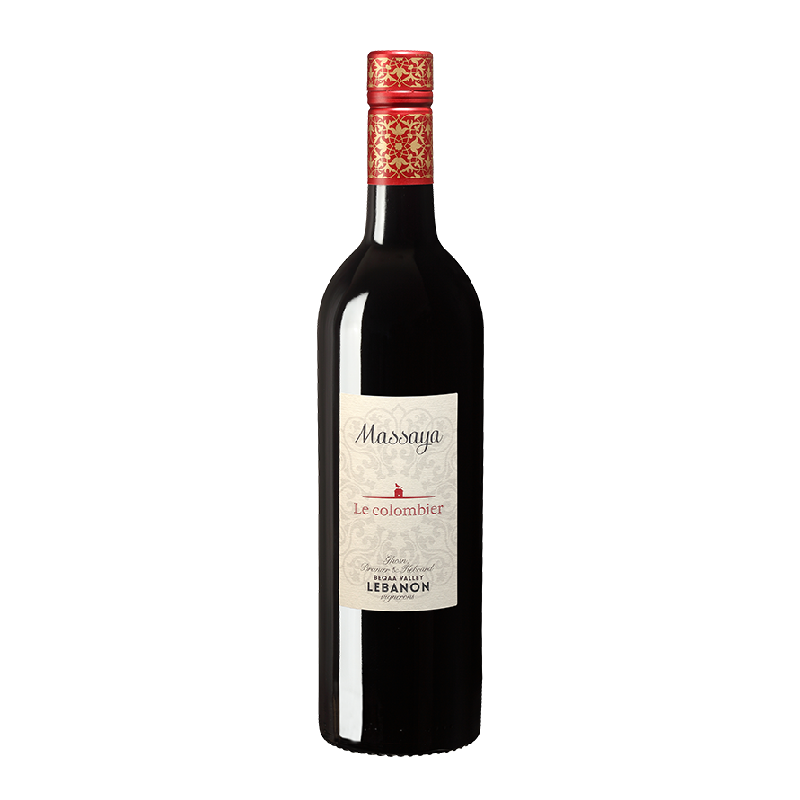
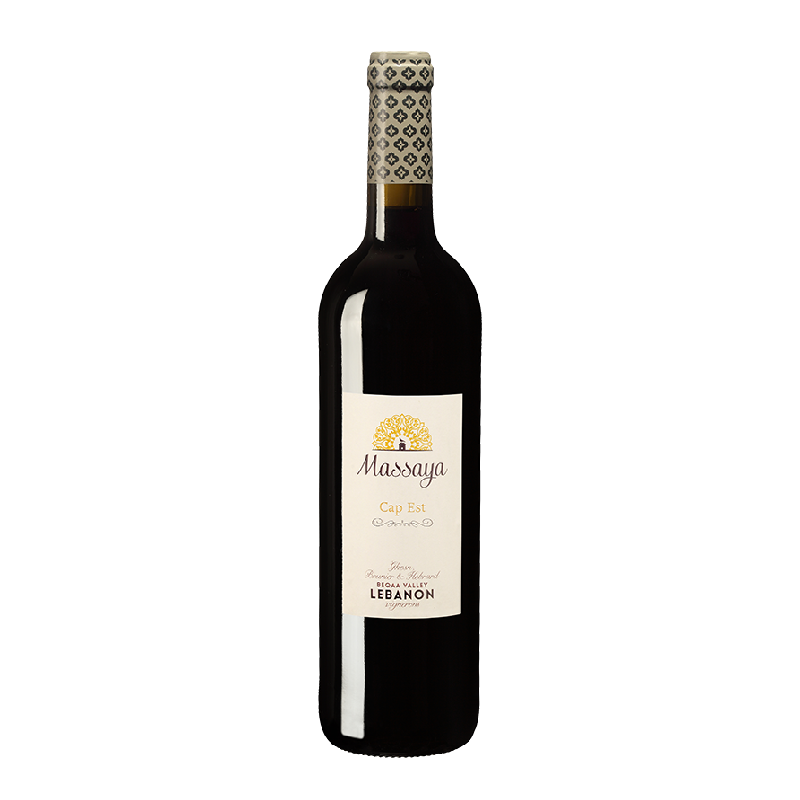
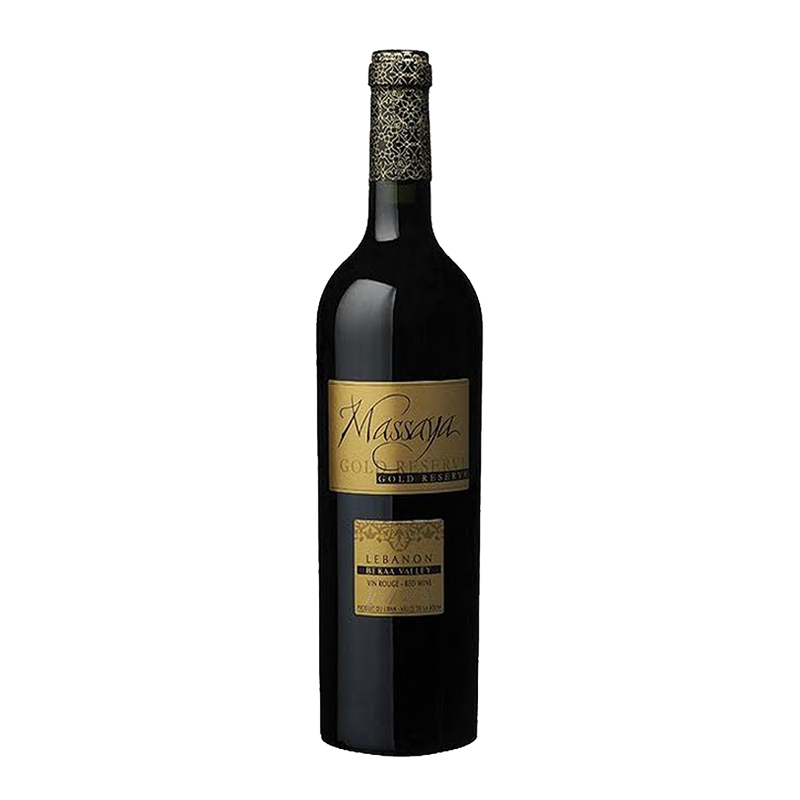
The range includes Gold Reserve, Cap Est and Le Columbier. Younger reds can taste juicy and direct, while more mature bottles may take on notes of dried fruit, leather or tobacco.
Try a white with cold mezze or fish. The fuller reds suit lamb, duck and dishes with a deeply flavoured sauce. Grilled vegetables and mature cheeses also offer a way to explore the range alongside a meal.