White wines
Freshness from high vineyards
Look for citrus, white peach and herbs in fresh whites, or try a fuller wine with the texture of ripe stone fruit. Obeidi and Merwah give a starting point for exploring local varieties.

Home / Wine Styles / Lebanese Sparkling Wines
Origin · Taste · DiscoveryCompare Latourba’s traditional-method sparkling wines from the western Bekaa with the gently sparkling Frizzante of Batroun Mountains.
Explore Lebanese sparkling winesLebanese sparkling wines offer a useful lesson in how grapes, place and cellar choices come together. A sparkling Chardonnay from Latourba and a Syrah Frizzante Rosé from Batroun Mountains bring very different fruit and textures to the glass. Look for the acidity and the feel of the bubbles alongside the aromas, especially if you are choosing a wine for food.
Begin with the fruit and see what the bubbles do to it. A white sparkling wine might show citrus or peach, while a rosé can bring strawberry and cherry to mind. Acidity and the feel of the bubbles also shape the texture. One wine may finish crisply, while another feels creamier and stays longer on the palate.
Serve two styles side by side at a similar temperature. Taste for the fruit first, then pay attention to sweetness, texture and the finish. The comparison helps you choose between wines for a first glass and wines you would enjoy through a meal.
Latourba is near Saghbine in the western Bekaa Valley. Its producer catalogue places the vineyards at 900 to 1,000 metres, near the Qaraoun reservoir. Cooler conditions can help grapes retain acidity as they ripen. Harvest timing then helps the grower find the balance of flavour and acidity needed for a sparkling base wine.
Season, exposure and variety all influence how a site behaves. The soil matters for water supply too, particularly during warm, dry periods. Elevation offers context for how grapes ripen and how a grower chooses a harvest date.
With the traditional method, the winery starts with a still base wine. Yeast and sugar are added for a second fermentation in the sealed bottle. Carbon dioxide from that fermentation dissolves in the wine and forms bubbles when it is poured.
The wine can then spend time on its lees, the yeast sediment left by fermentation. That contact can add texture and aromas. Riddling moves the sediment towards the neck of the bottle so it can be removed at disgorgement. Time on the lees varies by wine, so check what the producer reports for the bottle you are considering.
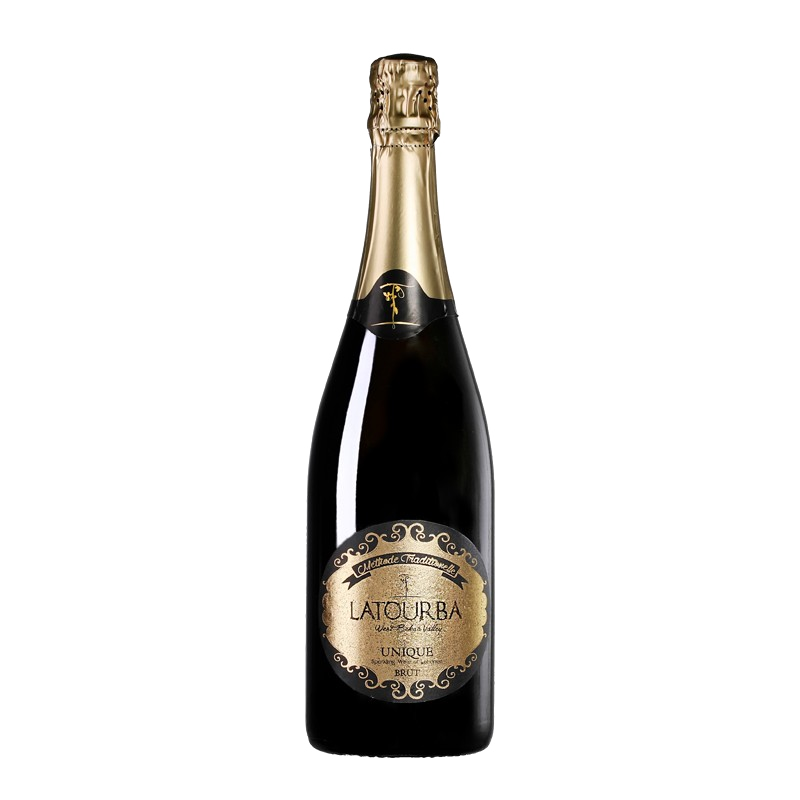
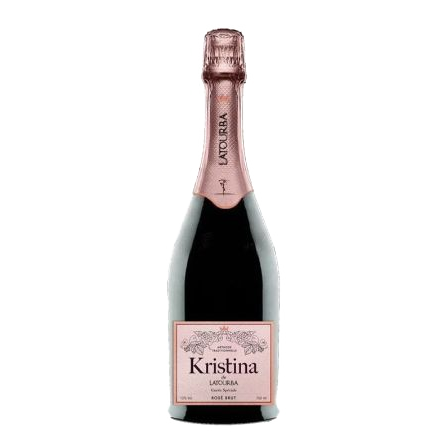
Latourba makes Unique Brut from Chardonnay, a white sparkling wine the estate describes as Blanc de Blancs. Kristina Brut Rosé is made from Pinot Noir. The estate’s 2024 catalogue documents 18 months on the lees for both. These two wines offer a chance to taste what different grapes bring to a shared method.
Peach and citrus are useful reference points for Unique Brut. With Kristina Brut Rosé, look for red berries and the creamy finish described in its profile. Brut tells you about sweetness. The variety and the fermentation method explain other parts of the experience.
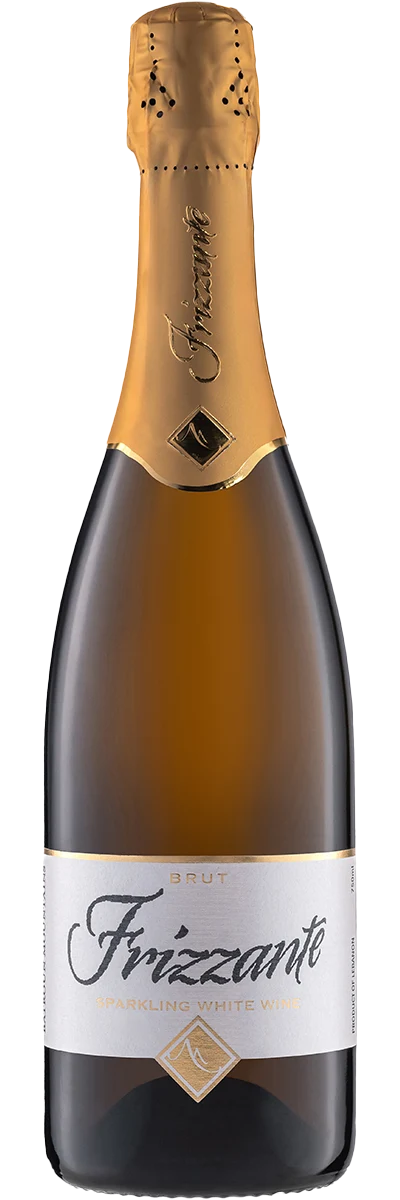
Batroun Mountains makes its two Frizzante wines using the Charmat method, with the second fermentation in a pressurised tank. Frizzante White brings together seven grape varieties, among them Chardonnay, Riesling, Merwah and Obeidi. The estate describes peach, guava and citrus, and the profile records its Brut style.
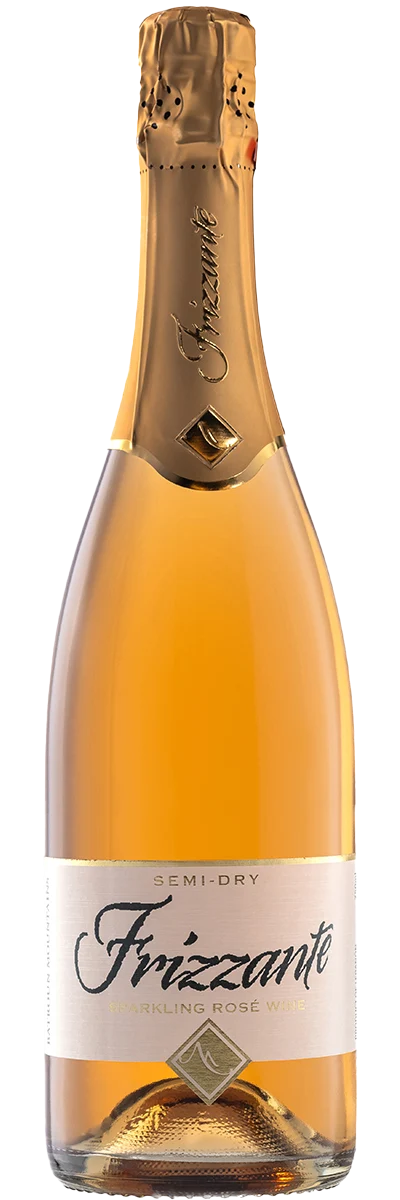
Frizzante Rosé is a semi-dry sparkling Syrah. Look for its strawberry and raspberry notes, then compare the lighter texture and fresh finish with the white. The pair shows how a difference in grape varieties and sweetness can shape wines made using the same method.
Latourba recommends serving Unique Brut and Kristina Brut Rosé at eight to ten degrees Celsius. A tulip-shaped glass leaves room for the aromas as the wine warms. Taste the wine with the food as well as on its own to see how the acidity and sweetness fit.
Batroun Mountains suggests its Frizzante White with seafood, oysters or salads. For its Rosé, the estate offers ideas such as soft cheese, charcuterie and fruit tarts. Start with dishes of similar intensity to the wine and adjust for the sauce, spices or sweetness in the final preparation.
Explore 4 wine profiles from the collection. Compare grape varieties, aromas and styles.
4 wine profiles
No matching wines. Try another search term.
Look for citrus, white peach and herbs in fresh whites, or try a fuller wine with the texture of ripe stone fruit. Obeidi and Merwah give a starting point for exploring local varieties.
Red berries, herbs and lively acidity make Lebanese rosés easy to bring to a meal. Try the lighter styles with mezze or fish and the rounder wines with grilled dishes.

Lebanese reds span bright cherry and fragrant herbs to darker fruit and mature oak. Cinsault, Carignan, Syrah and Cabernet Sauvignon are good varieties to explore across producers.

Discover Lebanon’s wine culture, learn how climate and soils shape its vineyards, or meet the winemakers.
For the wine trade
We arrange deliveries to restaurants, specialist wine shops, wholesalers and importers across Europe, including Spain. Tell us which wines you’re interested in, how much you need and where you’d like them delivered. Our team will check availability and discuss delivery options with you.
Discuss supply with Caracter Wines