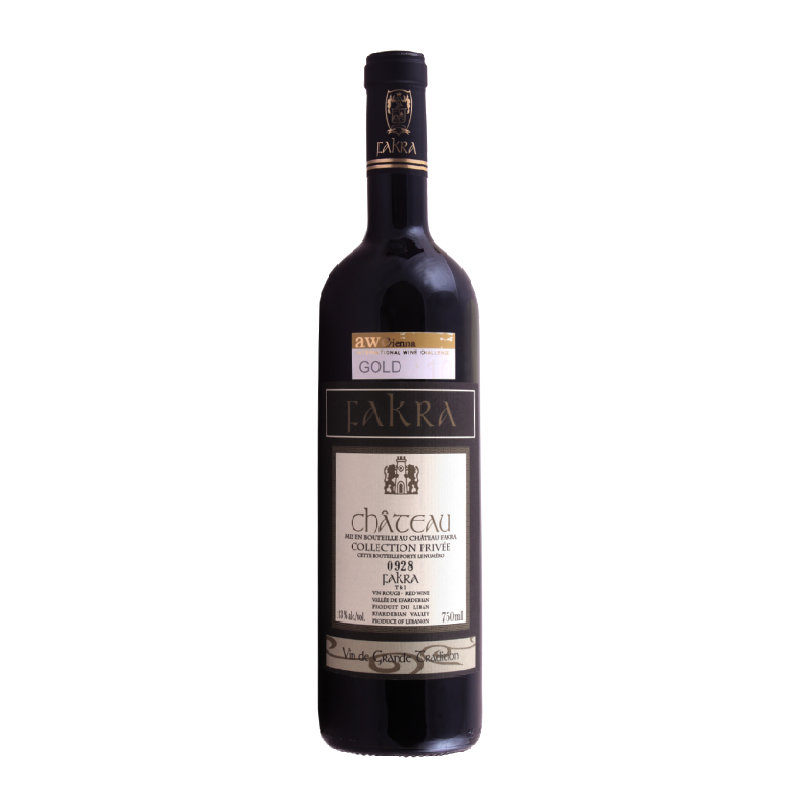
Château Fakra and its roots
Château Fakra began with arak, the anise spirit for which the Adem family already had a long tradition. The name recalls nearby Faqra and its Roman temples. Today the house is also represented by reds and whites that reflect the mountains and the Bekaa.
Carlos Guillermo Adem and the Faqra name
Carlos Guillermo Adem came to the country of his ancestors in 1982. In 1985 he revived the family’s old arak distillery. The name Château Fakra looks to the nearby temple site at Faqra. From 1999 the distillery expanded into wine.
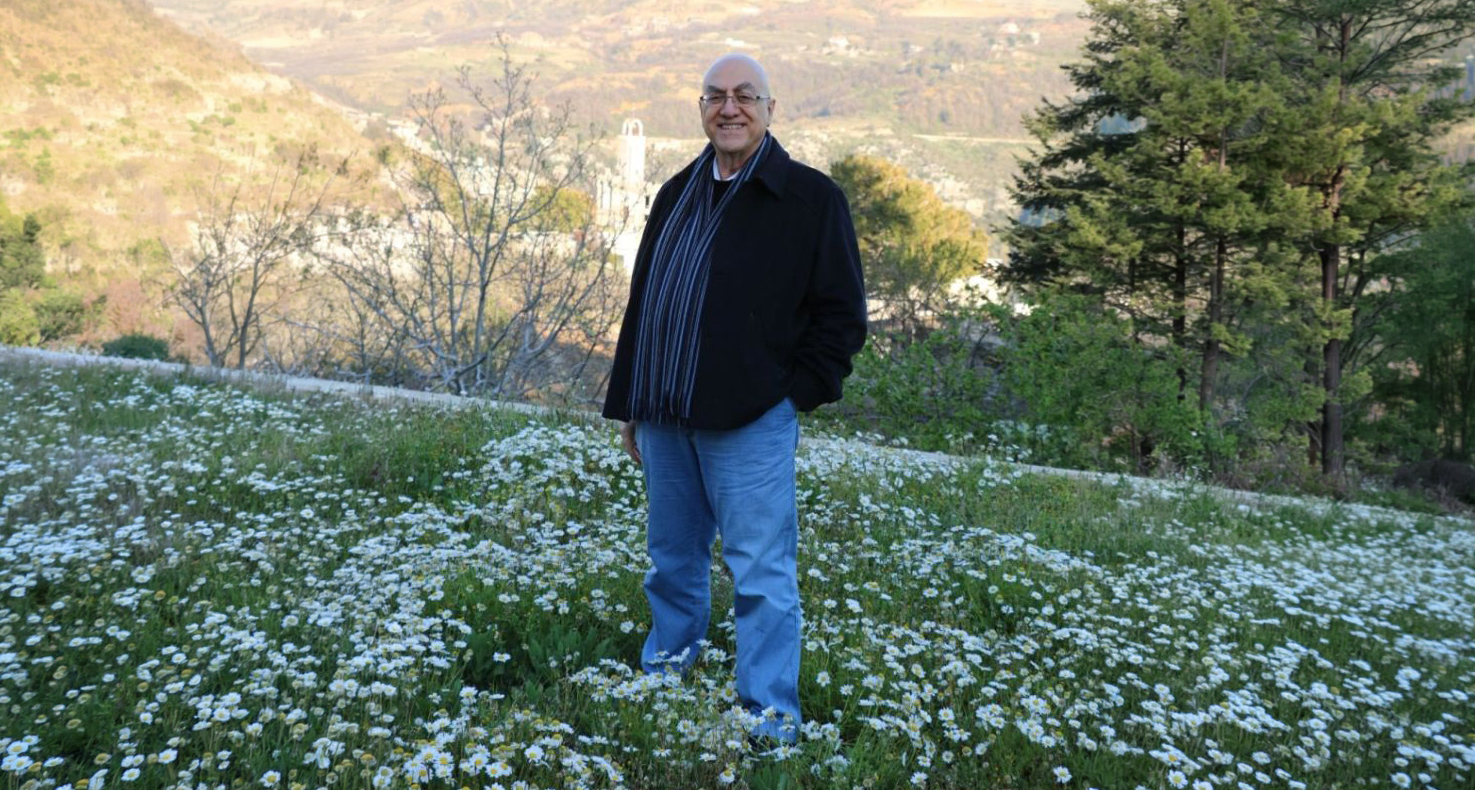
The valley around Kfardebian
Orchards, snowy winters and mineral-rich high ground mark the Kfardebian valley. With sites in the mountains and Bekaa, the surrounding landscape includes slopes at very different elevations. Sun lends the fruit ripeness, while cooler conditions can help retain acidity.
Distilling knowledge and modern winemaking
The house combines family experience with a precise approach to the chemistry of fermentation and modern cellar equipment. The vineyard team follows the fruit through the season, picking each variety at an appropriate ripeness. Freshness remains important even in the fuller styles.
Reds and aromatic whites
Cabernet Sauvignon, Syrah and Cinsault feature among the red varieties. Chardonnay, Muscat and Sauvignon Blanc bring the whites a different range of aromatics. Compare the darker fruit and spice of the reds with the floral and citrus notes of the fresher wines.
Pinacle, Cuvée du Temple and Blanc de Blancs
Pinacle and Cuvée du Temple are familiar names from the house, as is the Blanc de Blancs. Serve a fuller red with lamb, other grilled meats or mature cheese. A white can sit alongside a selection of mezze or fish.
The estate’s red Chateau Collection offers another point of reference. Fruit and vanilla come through with hints of tobacco and conifer, giving a sense of the fuller red side of the range.