Domaine de Baal and its roots
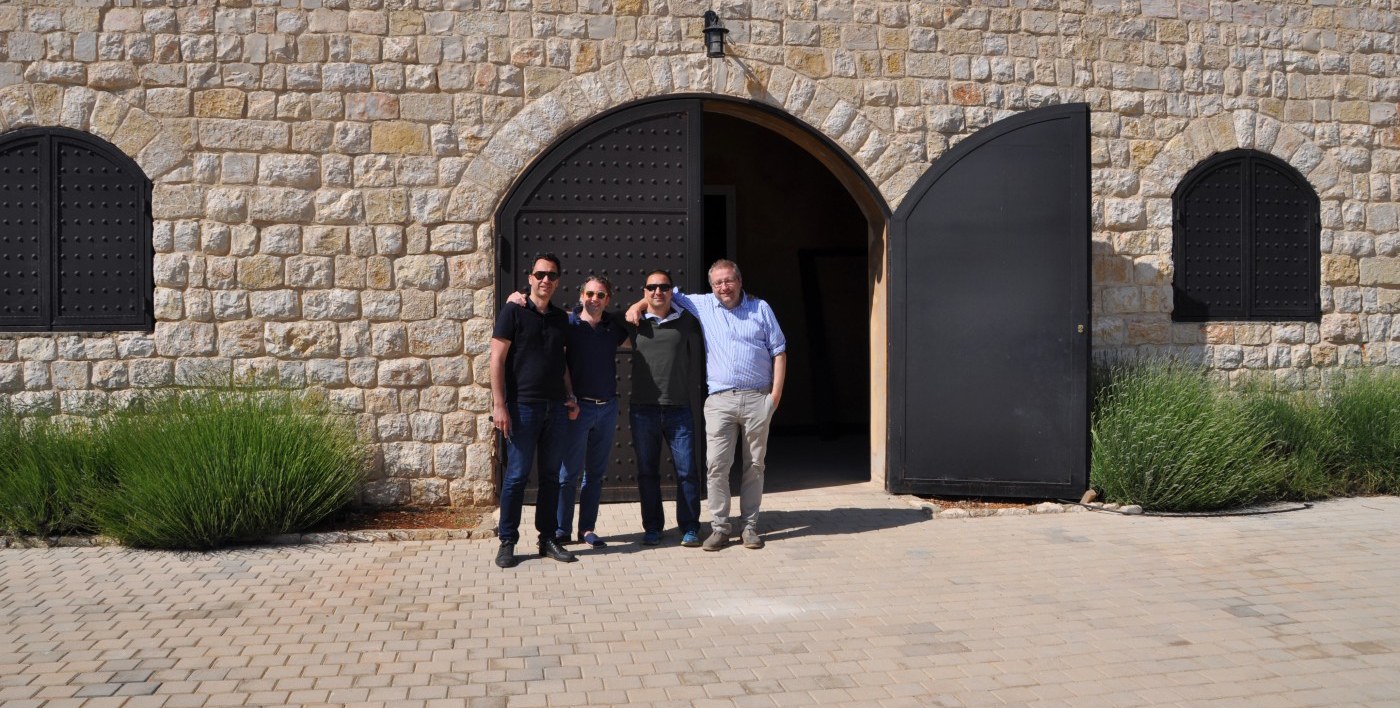
Domaine de Baal looks south across the Bekaa from the slopes above Zahlé. The family’s limestone terraces get plenty of sun and wind. Stone walls, a planted roof and a deep barrel cellar are part of a building designed around these conditions.
Sébastien Khoury returns to the Bekaa
The family had planted some of its terraces from 1994. In 2006 Sébastien Khoury returned to Lebanon after years in Saint-Émilion. He built the cellar and made the first wine that same year, putting his experience in France to work on family land.
Limestone terraces above Zahlé
The slopes face south and look out across the Bekaa Valley. At around 1,000 to 1,200 metres, the sites get both sun and wind, with cooler nights that help the grapes keep their acidity. Limestone and the differing exposures of the terraces give the fruit different qualities from one plot to another.
Stone walls, a planted roof and a deep cellar
The winery uses thick stone walls and a green roof to help stabilise the conditions inside. A deep cellar provides space for barrel ageing. In the vineyards, the team can follow the individual plots and bring the fruit in when the varieties ripen.
The red and white varieties
Cabernet Sauvignon, Merlot, Syrah and Tempranillo are among the red grapes. Chardonnay and Sauvignon Blanc are important to the white wines. The range gives a sense of how the same limestone slopes can support structured reds as well as whites with fresher fruit.
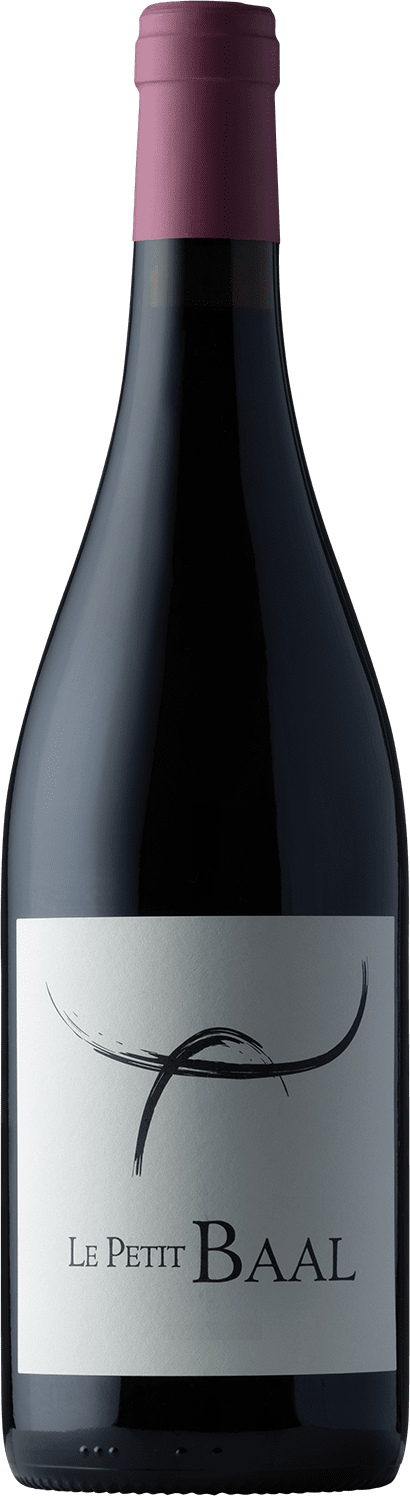
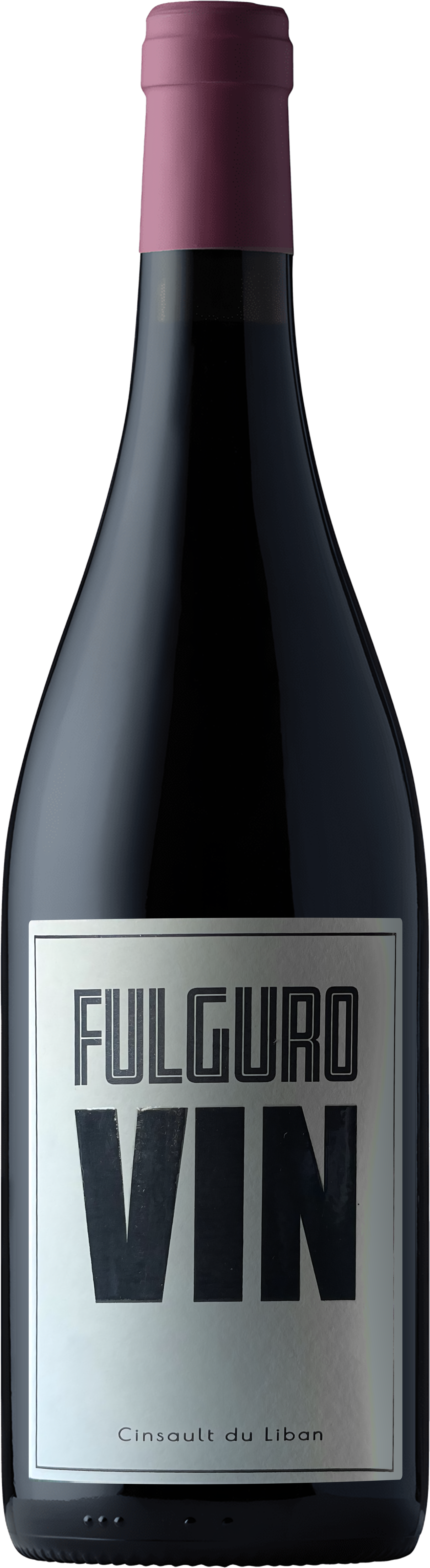
Cinsault also appears in the collection. In Le Petit Baal it joins Syrah, giving a combination of red berries, blackberry and mint. Fulguro Vin uses Cinsault on its own, producing a lighter red with strawberry and supple tannins.
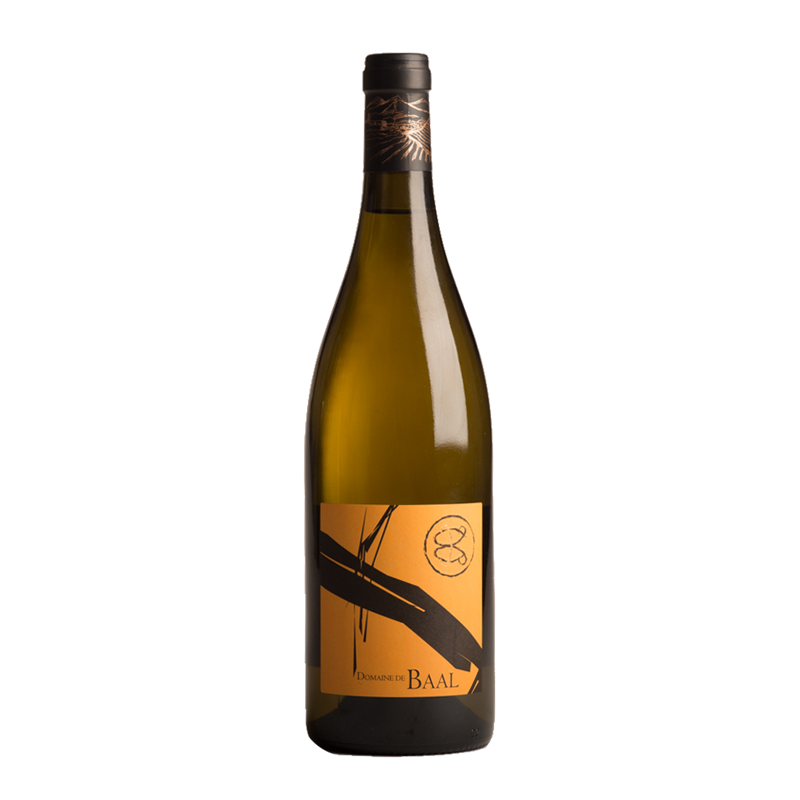
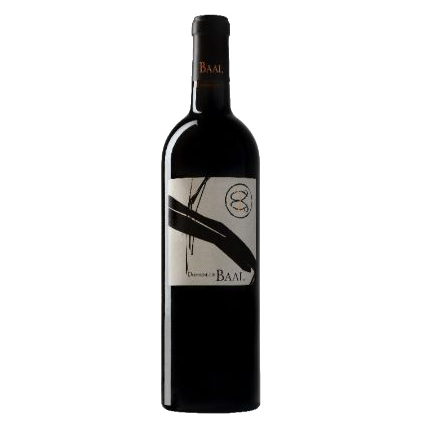
Domaine de Baal Rouge, Blanc and Petit Baal
Try the red with lamb, beef, roasted vegetables, mushrooms or mature cheese. The white can accompany fish or cold mezze. Domaine de Baal Rouge, Domaine de Baal Blanc and Petit Baal are useful reference points when exploring the estate’s range.