Atibaia and its roots
Atibaia is a small winery in northern Lebanon with a red and a white blend. Its home at Smar Jbeil overlooks Batroun. The estate’s scale means each of its plots can be followed closely, from the first hectare of Cabernet Sauvignon and Syrah to cooler land on the surrounding terraces.
The Massoud family and a 17th-century house
The family founded Atibaia in 2007 around a Lebanese country house dating to the 17th century. The first planting was one hectare of Cabernet Sauvignon and Syrah on mineral-rich ground. Terraces planted with Petit Verdot and a cooler, gravel-rich plot followed, and a white wine joined the original red.
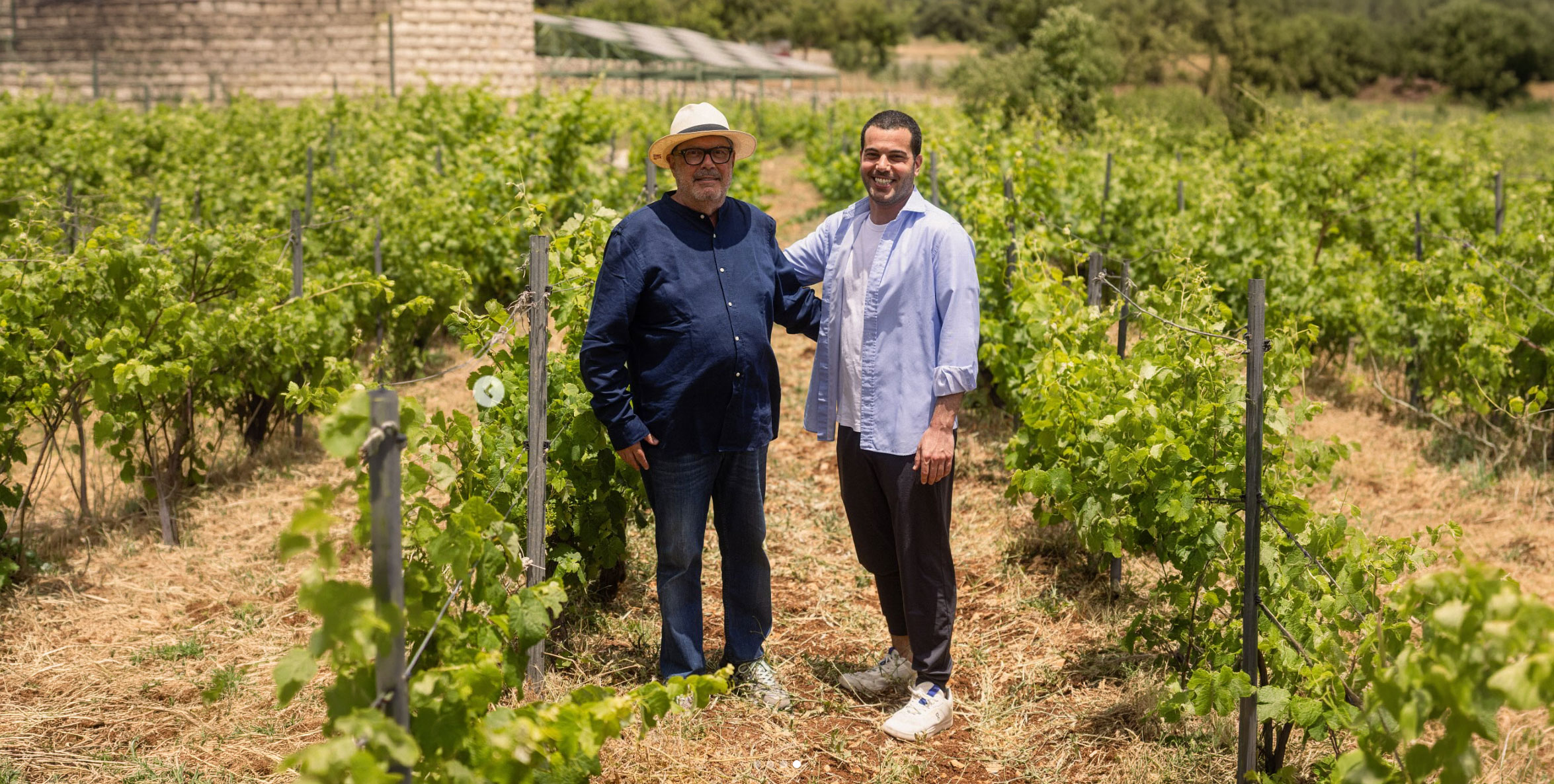
Jean Massoud, shown on the left, owns Atibaia. His son David Massoud, shown on the right, is the managing partner and winemaker.
Terraces above Batroun
The northeast-facing terraces catch the early sun. Cool nights help keep the grapes fresh as they ripen, and the elevation takes the edge off the heaviest summer heat. Different exposures and soils, including the gravel-rich site, give the winery a choice of fruit with different levels of ripeness and acidity.
Selection in the vineyard and cellar
Working with small lots lets the team watch each plot and select the grapes closely at harvest. Each variety is picked when it reaches the intended ripeness. Prompt processing helps preserve fruit and freshness, and gentle cellar work gives each blend room to develop. Oak plays a supporting role where it is used.
Two wines, two blends
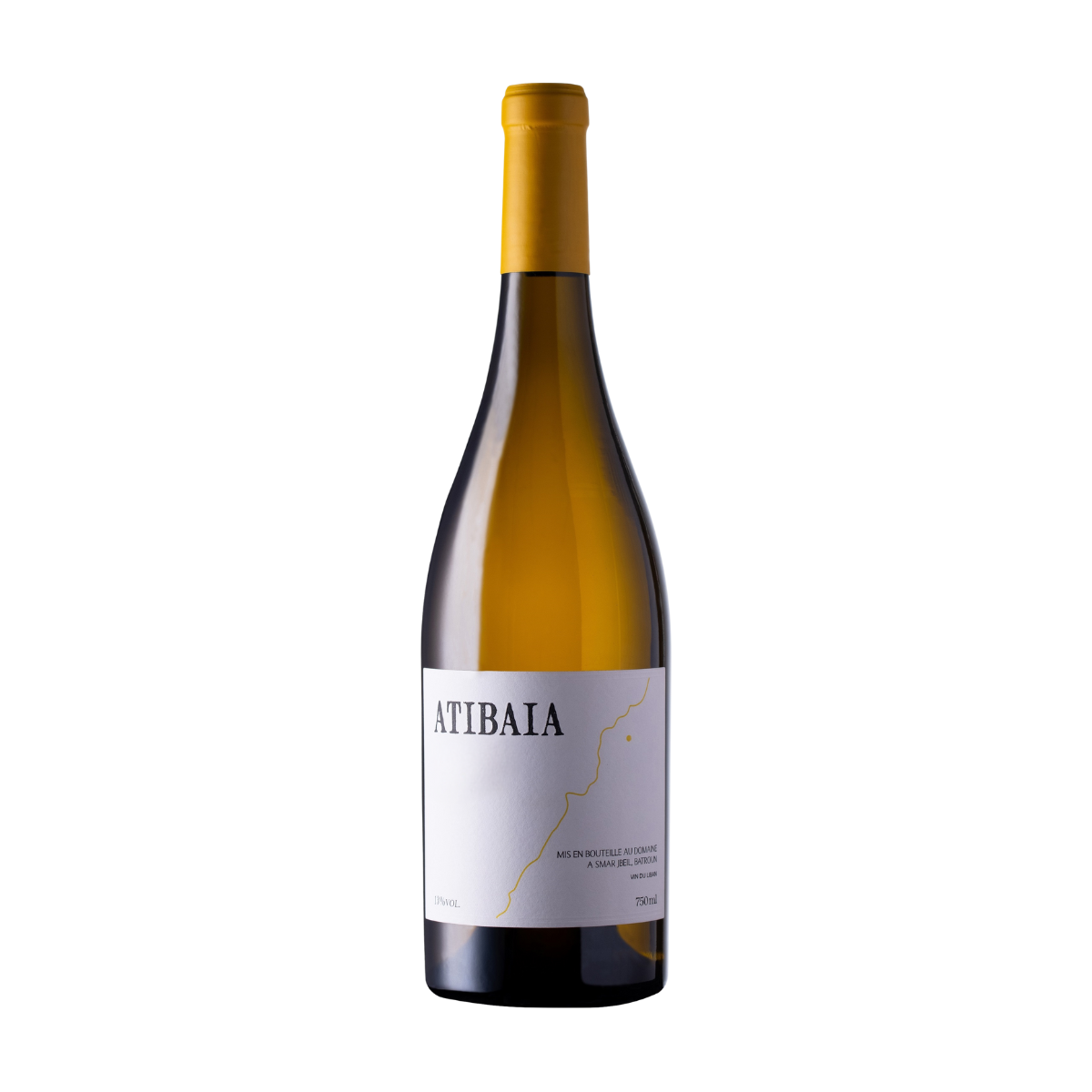
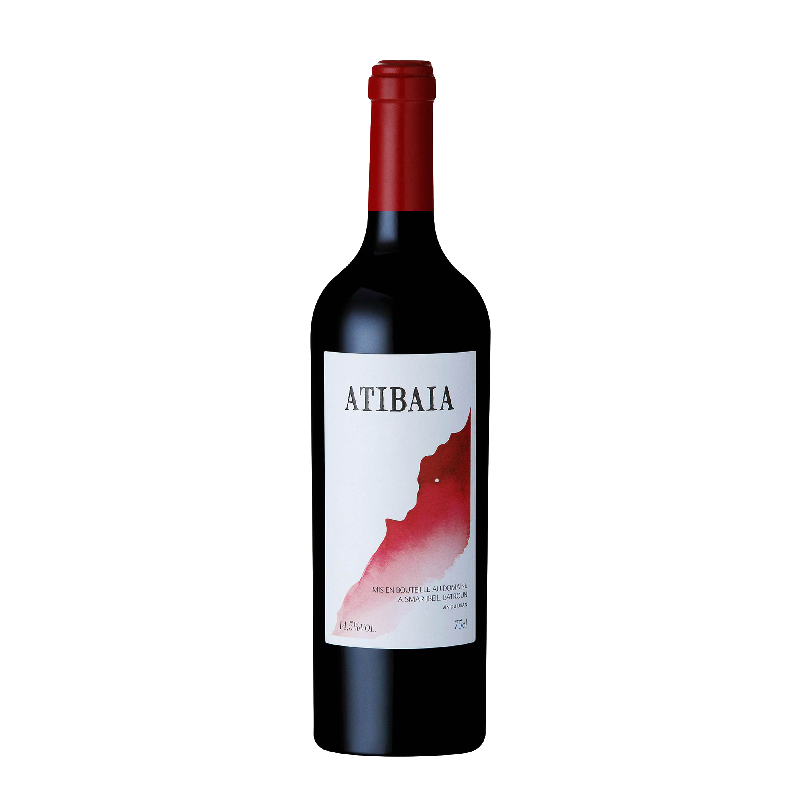
Cabernet Sauvignon, Syrah and Petit Verdot make up the red blend, combining fruit, spice and structure. Chardonnay and Viognier give the white blend its light fruit and floral notes. Each profile describes the varieties, maturation and individual tasting notes for that wine.
The white, from Batroun, gives notes of dried apricot, white peach and pale flowers. The red can give a spicier impression, with hints of cedar and tobacco. The contrast is useful when choosing a wine for a meal.
Serving Atibaia wines
Try the red with lamb chops, kafta, braised beef or a flavourful hard cheese. The white suits fish or a table of cold mezze. Drinking the two wines side by side shows how the family works with quite different grapes and gives each blend its own character.