Inside Atibaia
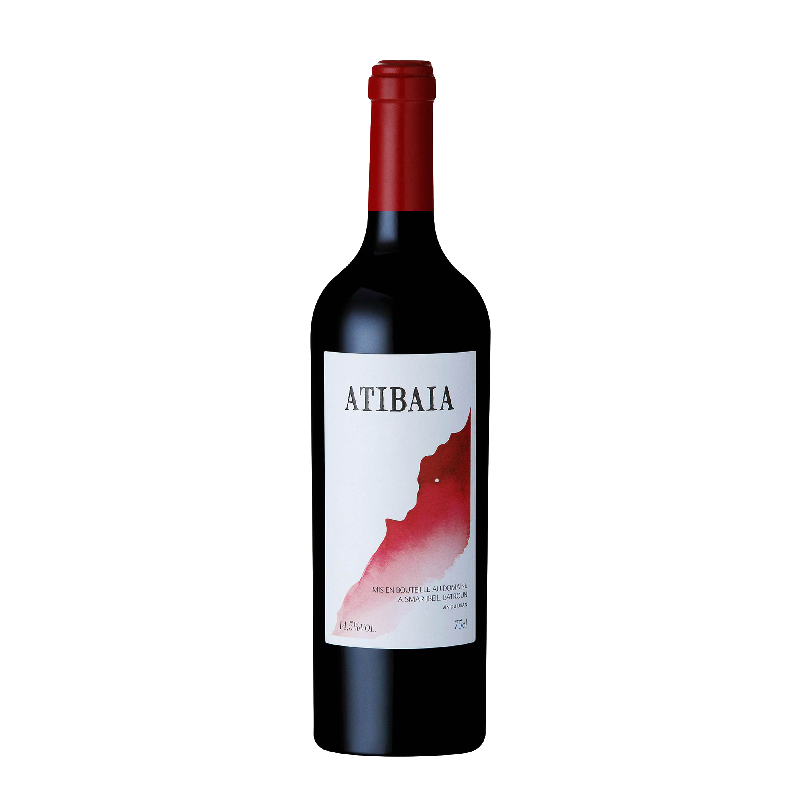
Atibaia is the estate’s red blend from Smar Jbeil. Before the fruit builds, spicy oak and cedar make a strong impression. A scent reminiscent of tobacco adds a more savoury dimension. Then red fruit brings balance, while cinnamon and clove give the palate definition. This is a dry, bold red whose firm structure makes as much impression as the aromas.
Tasting notes
Aromas
 Oak
 Cinnamon
 Clove
 Red fruit
 Cedar
 Tobacco
Style & mouthfeel
 Spicy
 Fruity
 Dry
 Full-bodied
 Charming
 Silky
 Versatile
 Balanced
 Lively
 Bold
 Intense
 Complex
 Firm tannins
Batroun, inland from the coast
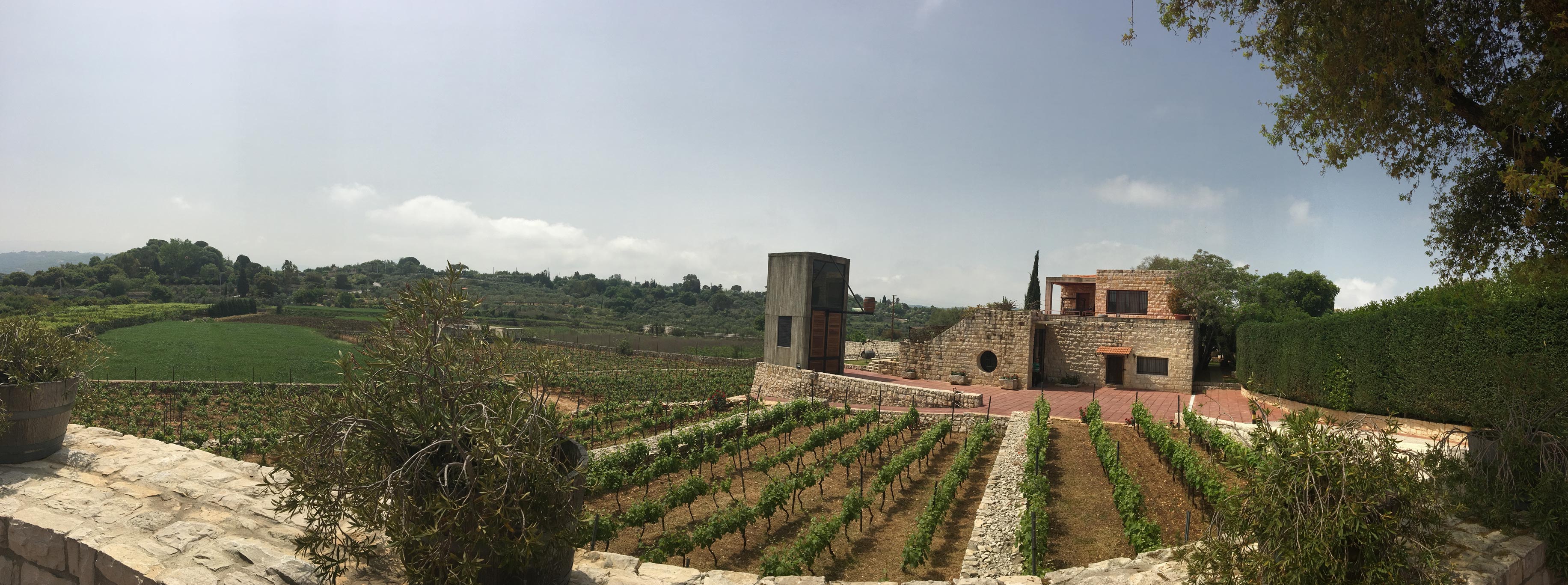
The reference locates the vineyards in Smar Jbeil, in the Batroun region of Lebanon. It records 600 metres and describes loam and limestone. Thus, the wine’s origin has a more specific meaning than the name of the region alone. Warm days and cooler nights are part of the local growing conditions. Those details give context to the contrast between the ripe fruit and the wine’s lively structure.
Syrah, Cabernet Sauvignon and Petit Verdot
The three varieties form one blend. Consider how the red fruit develops against a fuller frame, rather than trying to assign a specific aroma to any one grape. The interaction is especially clear in Atibaia because the first aromas are so savoury. Then the fruit becomes easier to notice. A softer texture is present under the firmer tannins, giving the blend more than one dimension on the palate.
Thirteen months in first-fill French oak
The maturation reference records thirteen months in new French oak. Cedar and spicy wood are clear impressions in the glass. However, the fruit is important too. Give the glass a moment to open, and the balance between red fruit and wood becomes easier to follow. Cinnamon and clove still make a distinct impression when the fruit has come forward. A whiff of tobacco is easier to distinguish after the initial smell of oak.
From cedar and clove to ripe fruit
Atibaia’s deep colour is the first cue. Then the scent brings cedar, tobacco and the warmer spice of oak. On the palate, look for red fruit first and see how cinnamon and clove follow. The tannins stay firm after the initial taste, even though the texture can feel silky. That difference between firmness and smoothness is a useful way to describe the depth of the wine.
Game and lamb as stronger table pairings
Try Atibaia with game or lamb. The savoury preparation gives the oak spice and tobacco a counterpart. Red fruit, meanwhile, can feel brighter against the richness of the meat. Choose a smaller initial serving if you want to see how the tannins develop over the meal. A mezze starter offers a second comparison. Then move on to the main course and notice whether cinnamon or cedar stays clearer in the finish.
 Game dishes
 Lamb
 Red meat
 Mezze
 Starters