Wine on the Phoenician coast
The press at Tell el-Burak is the first known example from the Iron Age in present-day Lebanon. Its proximity to Sidon places it within a coastal region linked to Mediterranean trading routes.
Home / Wine Culture
An Iron Age wine press, mountain vineyards and families coming home all tell part of Lebanon’s wine story. Follow the people, places and grapes that shape the wines today.
Explore the historyIn Lebanon, the story of wine runs from coastal settlements and mountain monasteries to family cellars in the Bekaa Valley. Trade carried wines and techniques across the Mediterranean. Later, migration and return brought new ideas into Lebanese vineyards. The same story continues in the grapes that growers choose and in the meals where people share their wines.
Wine has played different roles across the centuries. Near Sidon, it was a product of Phoenician agriculture and trade. Centuries later, Christian monasteries made wine for worship and local use. French influence shaped the commercial estates that emerged in the nineteenth century.
Today, older estates work alongside growers who have returned from abroad or started with a few family plots. Some build on the long Lebanese history of Cinsault and Carignan. Others are exploring what local white grapes such as Merwah and Obeideh can bring to a wine. The two approaches offer different ways to taste the country’s vineyards.
At Tell el-Burak, around nine kilometres south of Sidon, archaeologists uncovered a wine press on the slope of a Phoenician settlement. The excavators date its construction to the late eighth or seventh century BC. Their findings suggest that it stayed in use into the sixth century BC.
Grapes were trodden on a plastered floor. A channel carried the juice downhill to a lower vat. Fragments of ground pottery in the lime plaster strengthened the surface. Together with other evidence from the settlement, the press gives a rare view of wine production near a major Mediterranean trading city.
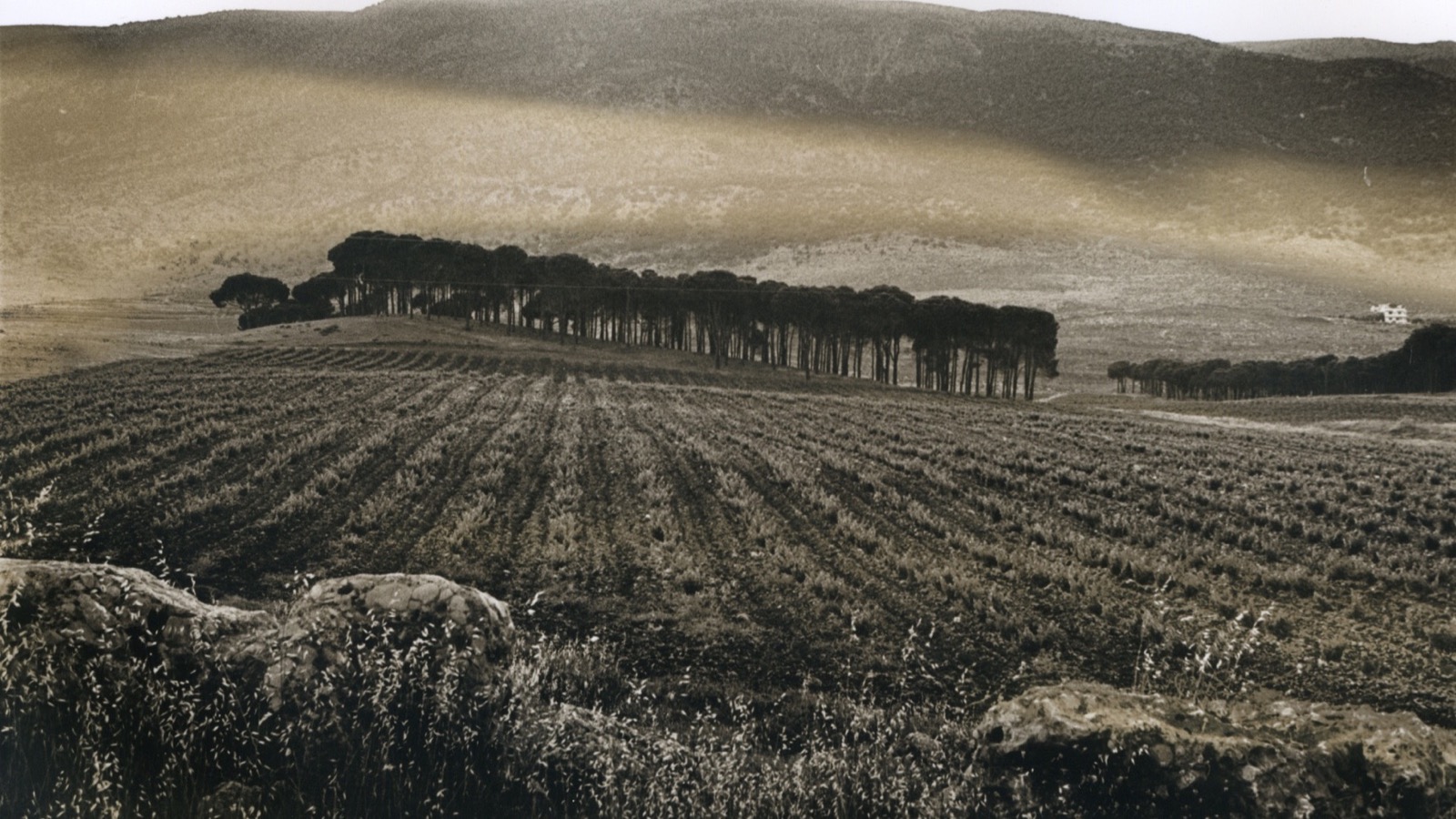
The press dates a specific place and technique. The spread of wine across the wider region goes back much further, while Lebanon’s modern commercial estates belong to a later period. The historic vineyard photograph from Massaya illustrates that later chapter.
A coastal wine press, a Roman sanctuary and the founding of a winery are different kinds of evidence. Each helps locate a chapter of Lebanon’s wine history in its own time.
The press at Tell el-Burak is the first known example from the Iron Age in present-day Lebanon. Its proximity to Sidon places it within a coastal region linked to Mediterranean trading routes.
The temple complex beside the Bekaa plain includes the richly decorated Temple of Bacchus. UNESCO describes how its monumental Roman buildings draw on earlier local traditions. The sculptures show the place of Bacchic imagery in the religious life of the city.
Christian communities and monasteries maintained practices around growing grapes and making wine for worship and local use. Grapes also remained part of cooking and drinking traditions, including the production of arak.
Jesuits took over land between Tanaïl and Zahlé. The estate records that Father Kirn encouraged the planting of French vines brought from Algeria. Château Ksara’s foundation became a milestone in the development of Lebanon’s modern wine industry.
Gaston Hochar founded Château Musar in Ghazir. Under his son Serge, long maturation and attention to the character of individual vintages became part of the estate’s approach. Recognition abroad introduced more wine drinkers to Lebanon.
The war disrupted harvests and made moving grapes and bottles dangerous. Some estates managed to keep working under severe constraints, while others lost markets or had to stop production. Château Musar began looking overseas as local demand fell.
Lebanon joined the International Organisation of Vine and Wine in 1995. The Union Vinicole du Liban followed in 1997. Family estates, smaller projects and research into local grapes have since added to the range of Lebanese wines.
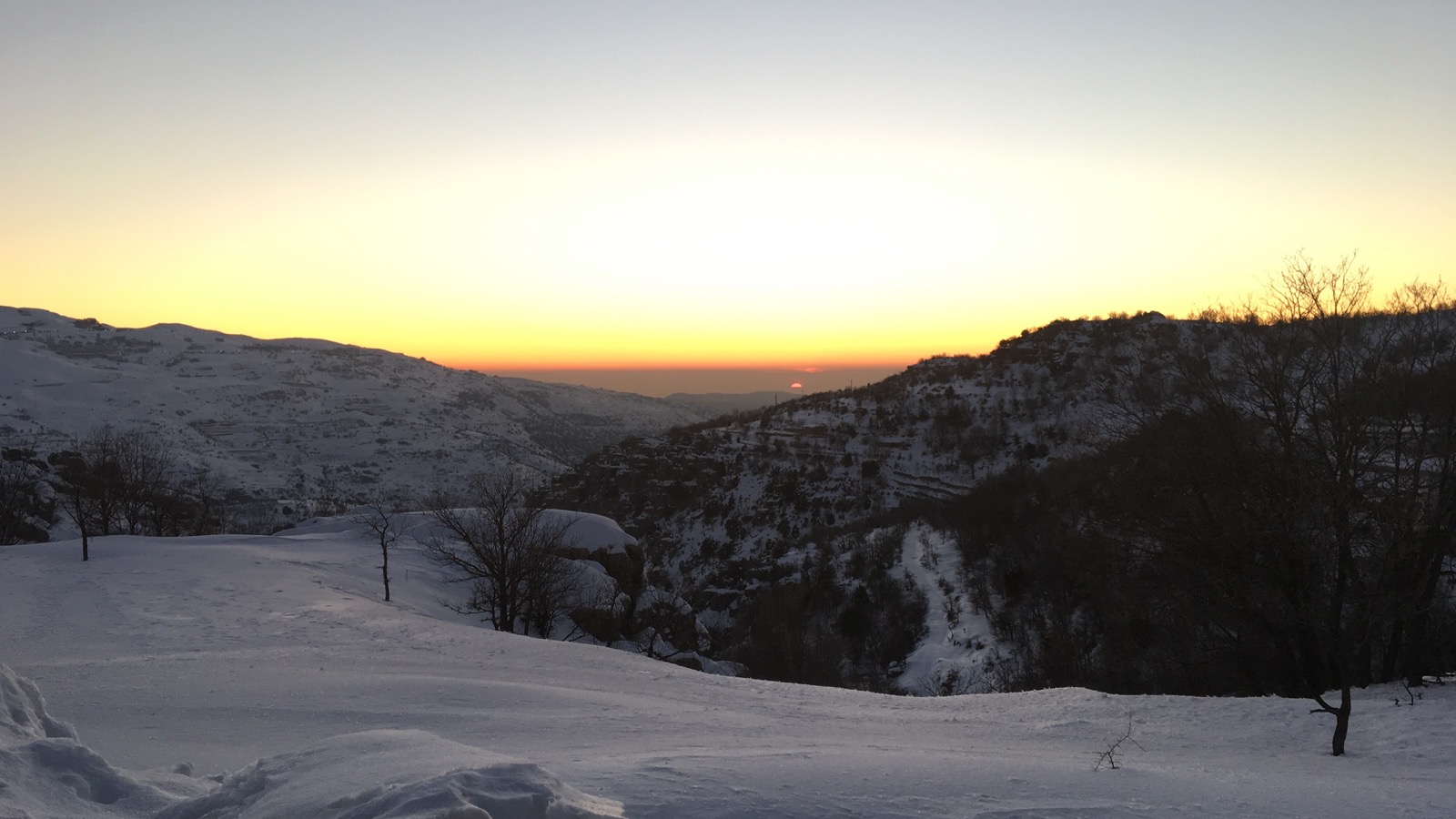
The Bekaa Valley is Lebanon’s best-known wine centre. Vines also grow in Batroun, on Mount Lebanon and around Jezzine. A hillside’s exposure, its altitude and its distance from the Mediterranean can change the growing conditions considerably.
Many vineyards experience dry, sunny summers and much cooler nights. Mountain snow helps replenish water reserves. Limestone, clay and stony soils call for different ways of working each site. Growers then decide when to pick, how much to harvest and how to mature the wine.
The kinds of grapes growers plant, how they work in the cellar and what people serve with the finished wines are three ways to understand Lebanese wine culture today.
French vine varieties reached Lebanon in greater numbers during the nineteenth and twentieth centuries. Cinsault and Carignan settled into many warm, dry sites. Both are part of classic red blends, and growers also make single-variety bottlings that show what each grape brings to the glass.
These white varieties connect wine to the tradition of making arak. Today, growers are using them to make wines ranging from fresh, citrus-led whites to richer blends intended for ageing. Traditional grape names can vary between places, which makes the identification and provenance of individual vines important.
Arak, a spirit flavoured with anise, is often made by distilling a grape base several times. Adding water turns it cloudy. Serving arak with mezze remains another way for Lebanese families to share the produce of their vines.
Cabernet Sauvignon, Syrah and Grenache are familiar names across Lebanese wine lists. Stainless steel, concrete, wood and amphorae give winemakers different options in the cellar. Comparing estates makes it possible to taste how the site, the vintage and those choices affect a familiar grape.
For some winemakers, returning to Lebanon has meant taking responsibility for land that their grandparents tended. In a report for Qantara, Janan Basoul spoke to Maher Harb, who left finance in France to build a winery on family land in Batroun. Eddie Chami returned from Australia to the Bekaa vineyards planted by his grandfather. Marc Hochar also left banking to join the family business at Château Musar.
The Lebanese financial crisis that began in 2019, the Beirut port explosion in 2020 and recurrent conflict have disrupted winemaking and transport. Estates that import supplies such as bottles, corks and machinery are exposed to rising costs and interruptions.
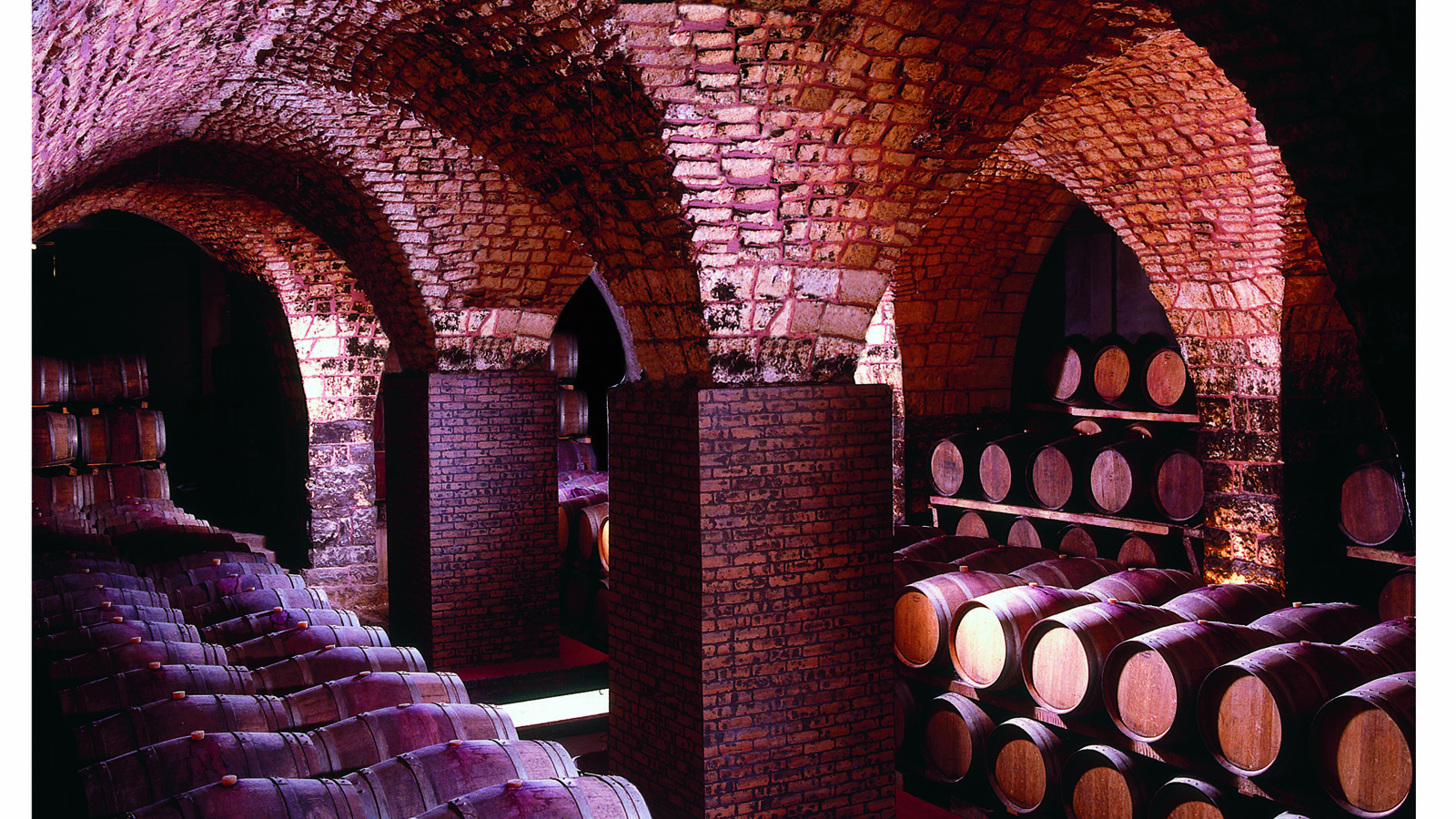
For many growers, overseas customers offer an important market. Basoul reports that in 2020 Lebanon exported around half of its wine production to more than 35 countries. The old barrel cellar at Château Musar offers a view of the family business that Marc Hochar returned to.
The country’s wines stretch from coastal vineyards to mountain terraces. Greater variety becomes apparent when you compare what different growers make and how the wines work at the table.
Long-established names such as Château Ksara, Château Musar and Château Kefraya now share the landscape with young family wineries. Some preserve a house blend across generations. Others work with local grapes or make wines with minimal intervention.
The Bekaa remains a major growing centre. Coastal vineyards in Batroun, terraces on Mount Lebanon and southern estates around Jezzine show how conditions vary from one place to another.
A Lebanese meal may bring mezze, herbs, vegetables, fish, grilled dishes and slow-cooked meats to the same table. The mixture of dishes leaves room for several styles of wine. Tasting a wine with different plates can reveal as much about its character as tasting it on its own.
The archaeological record, institutional histories and interviews with growers inform different parts of this account. The export figures refer to 2020.
For the wine trade
We arrange deliveries to restaurants, specialist wine shops, wholesalers and importers across Europe, including Spain. Tell us which wines you’re interested in, how much you need and where you’d like them delivered. Our team will check availability and discuss delivery options with you.
Discuss supply with Caracter Wines