Sun-filled days and cool nights
Dry, sunny summers help ripen the grapes. Nights cool at higher elevations, which can help the berries retain acidity as their flavour develops.
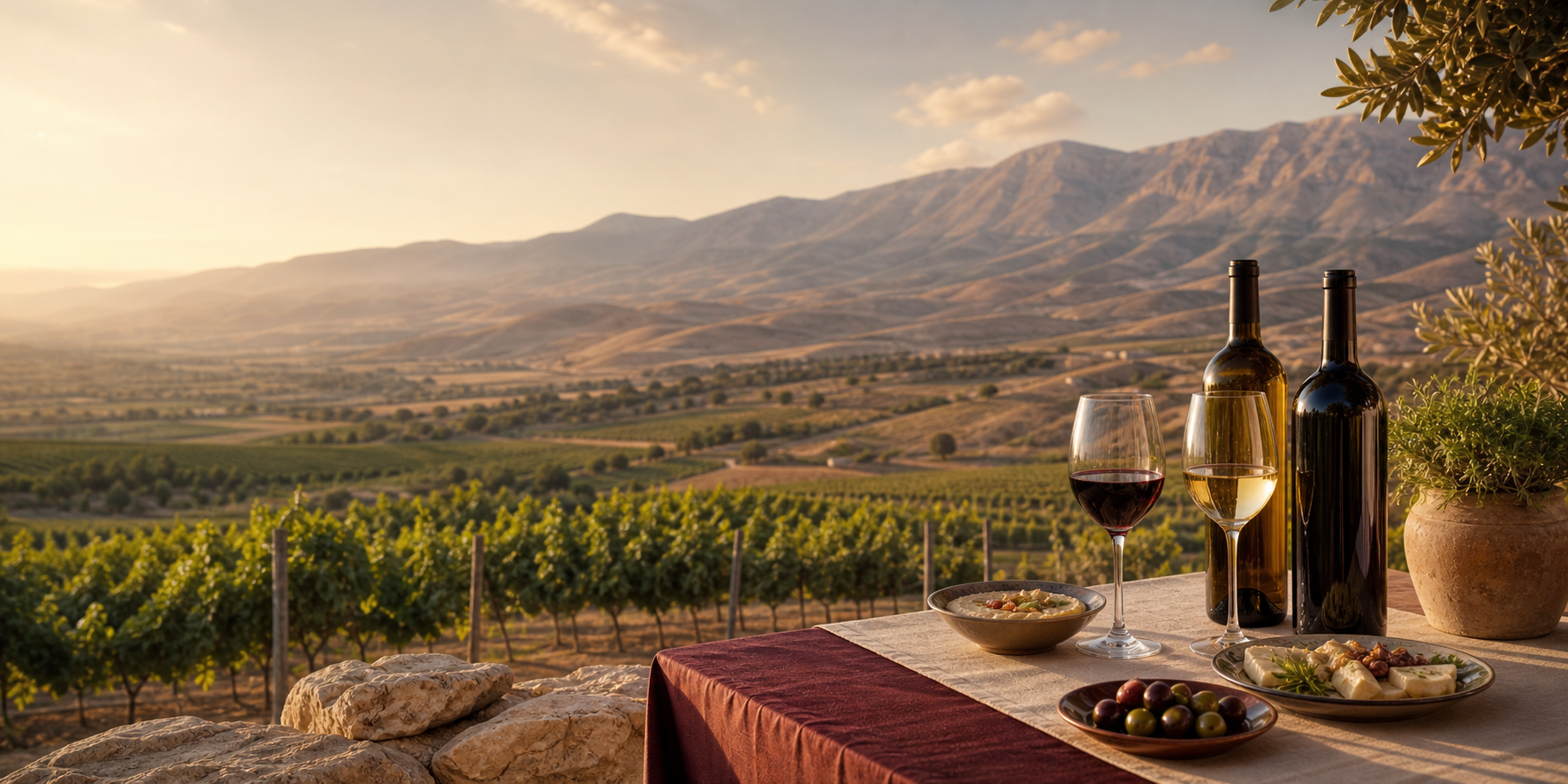
Discover wines from the Bekaa Valley and Lebanon’s mountain vineyards. Meet the people behind them, explore their grape varieties and find a wine for your table or wine list.
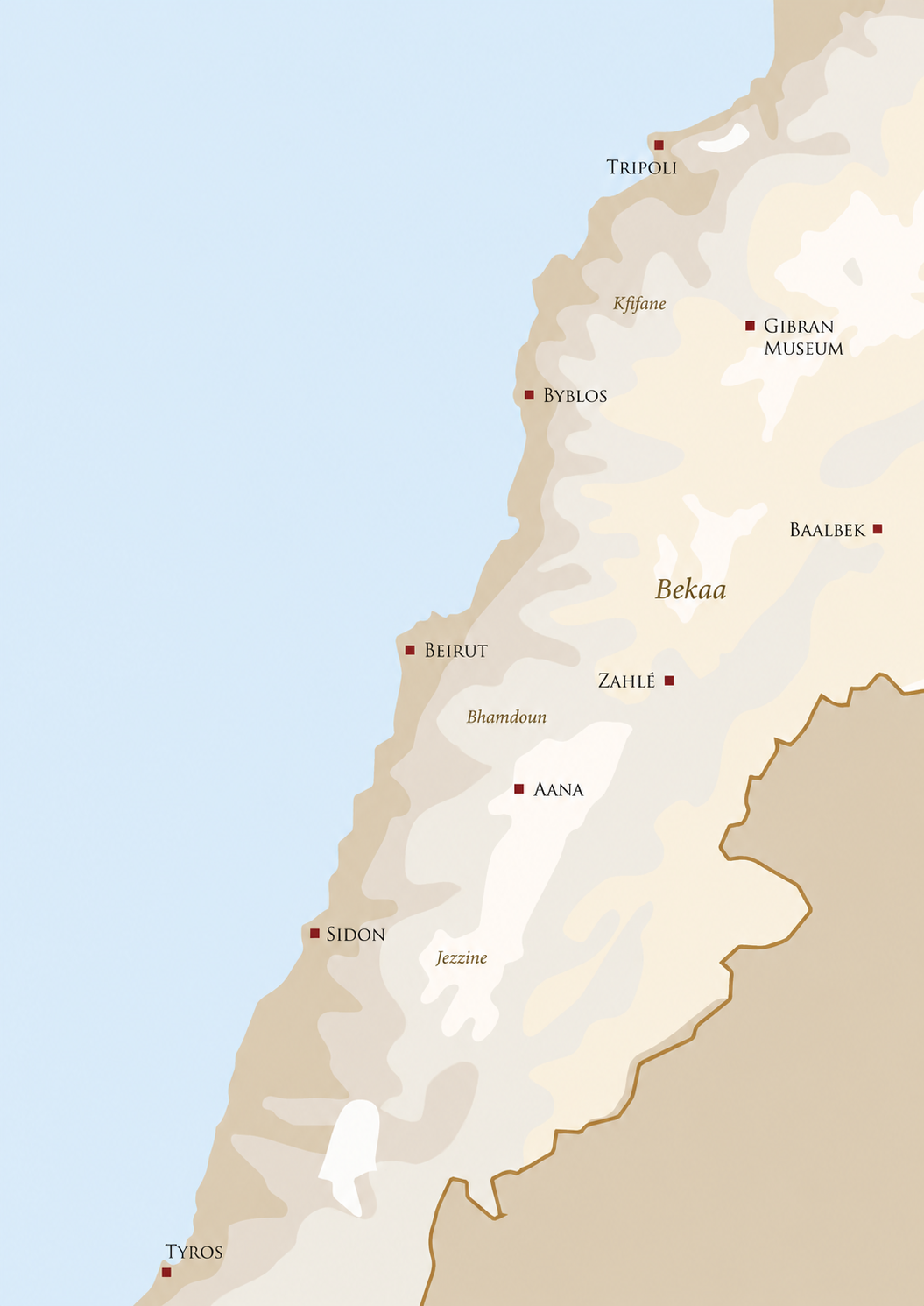
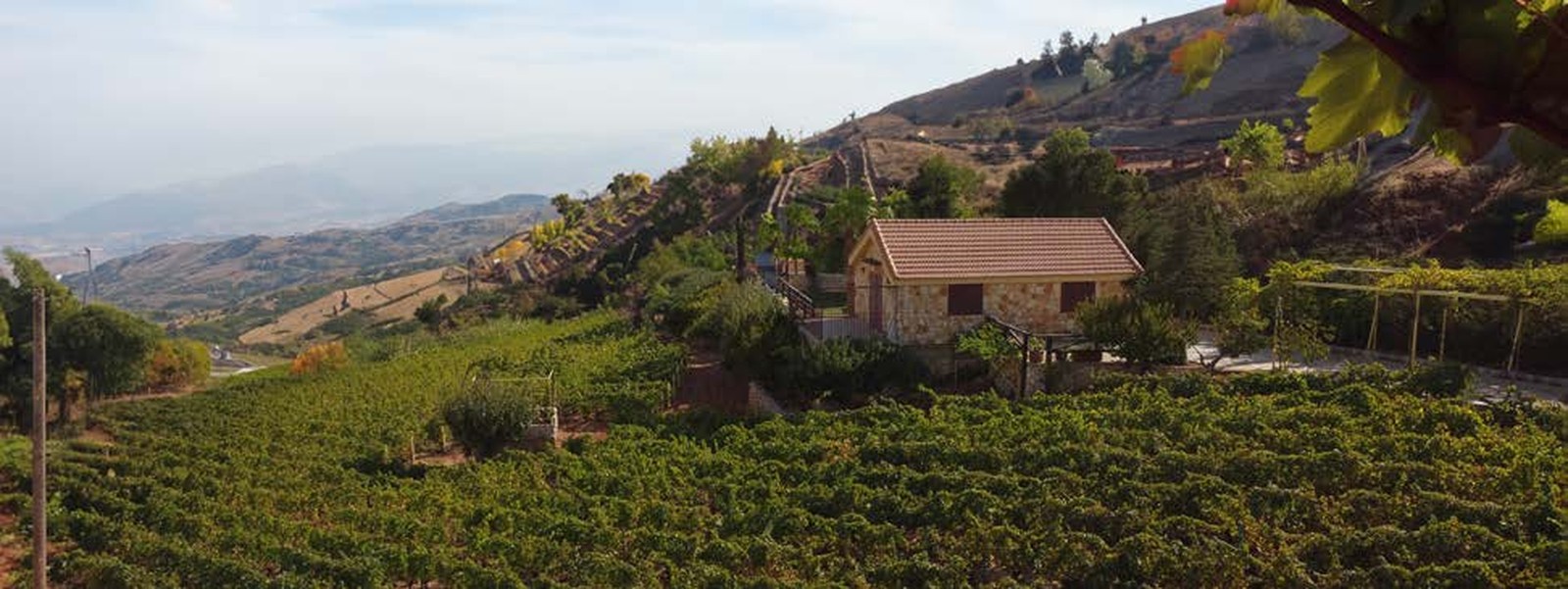
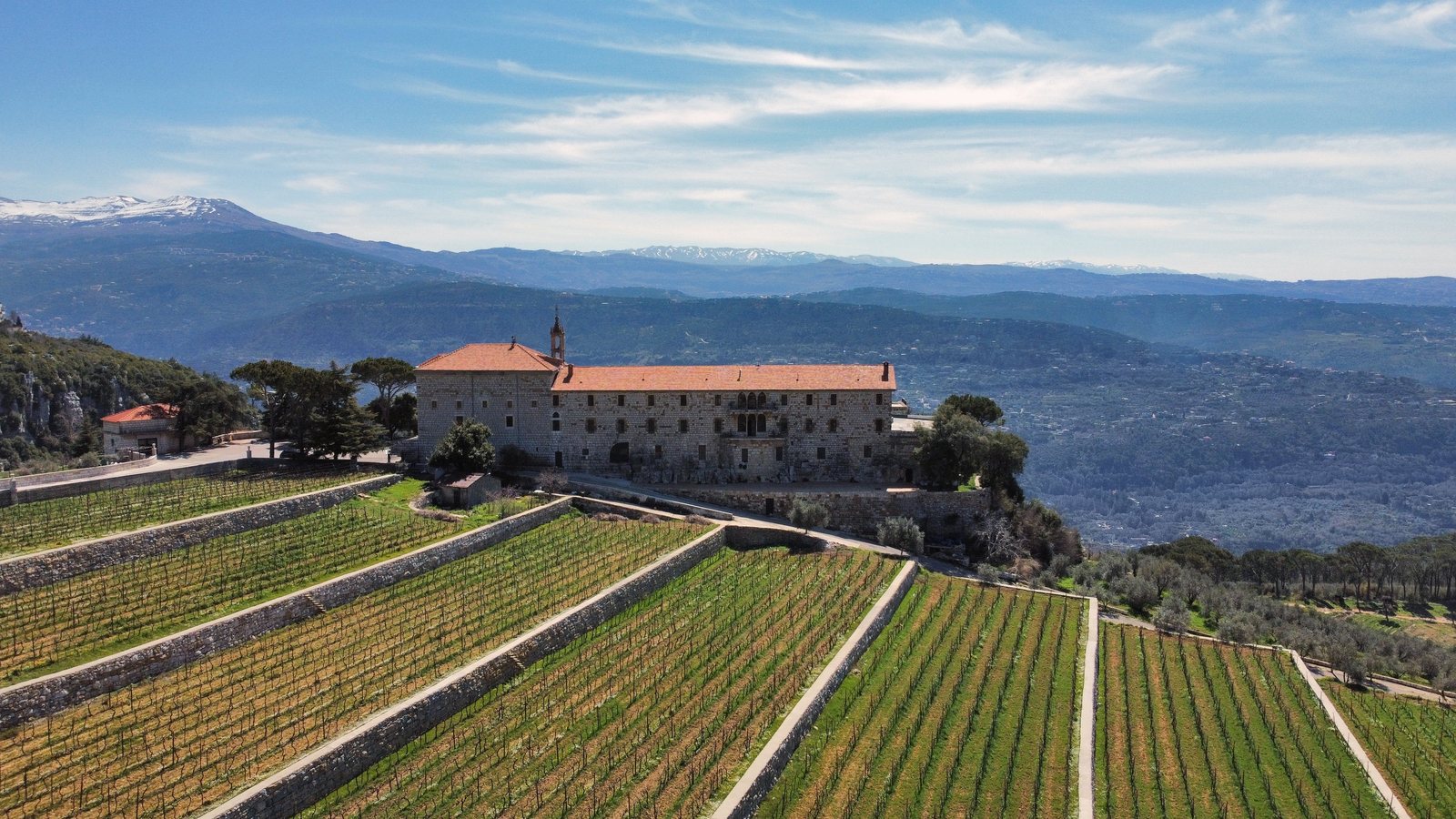
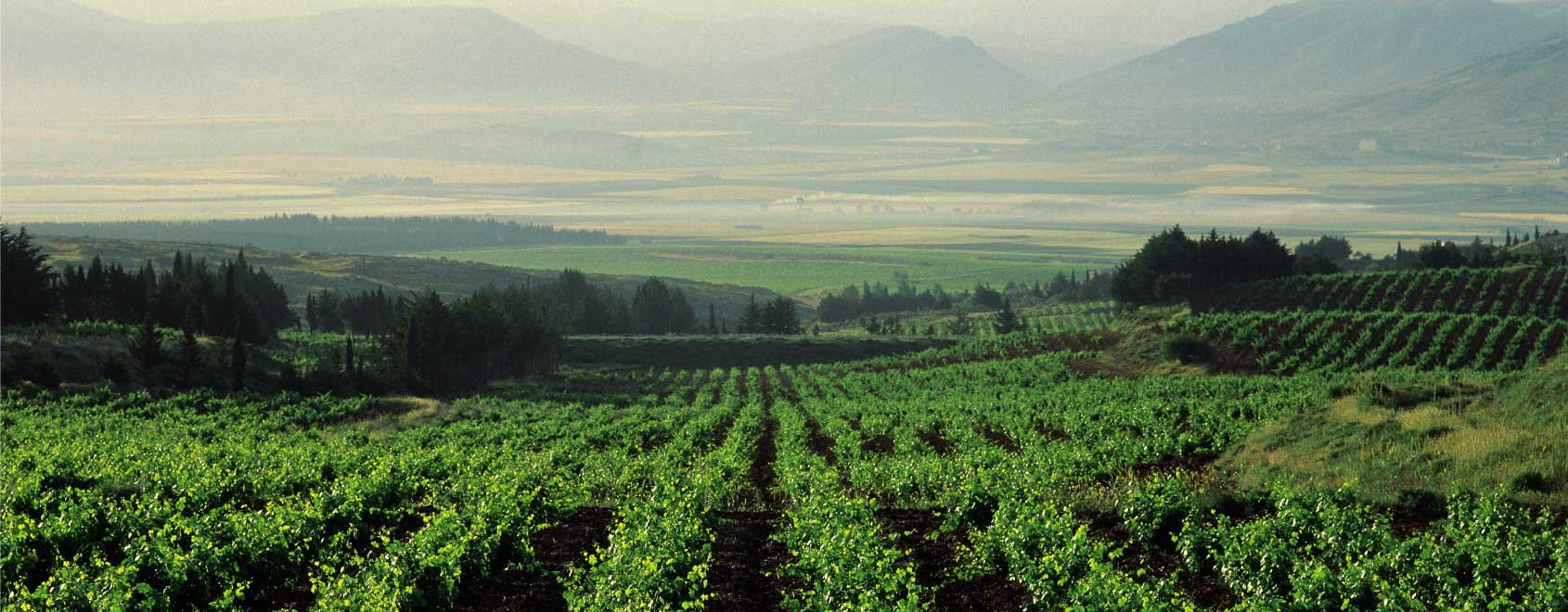
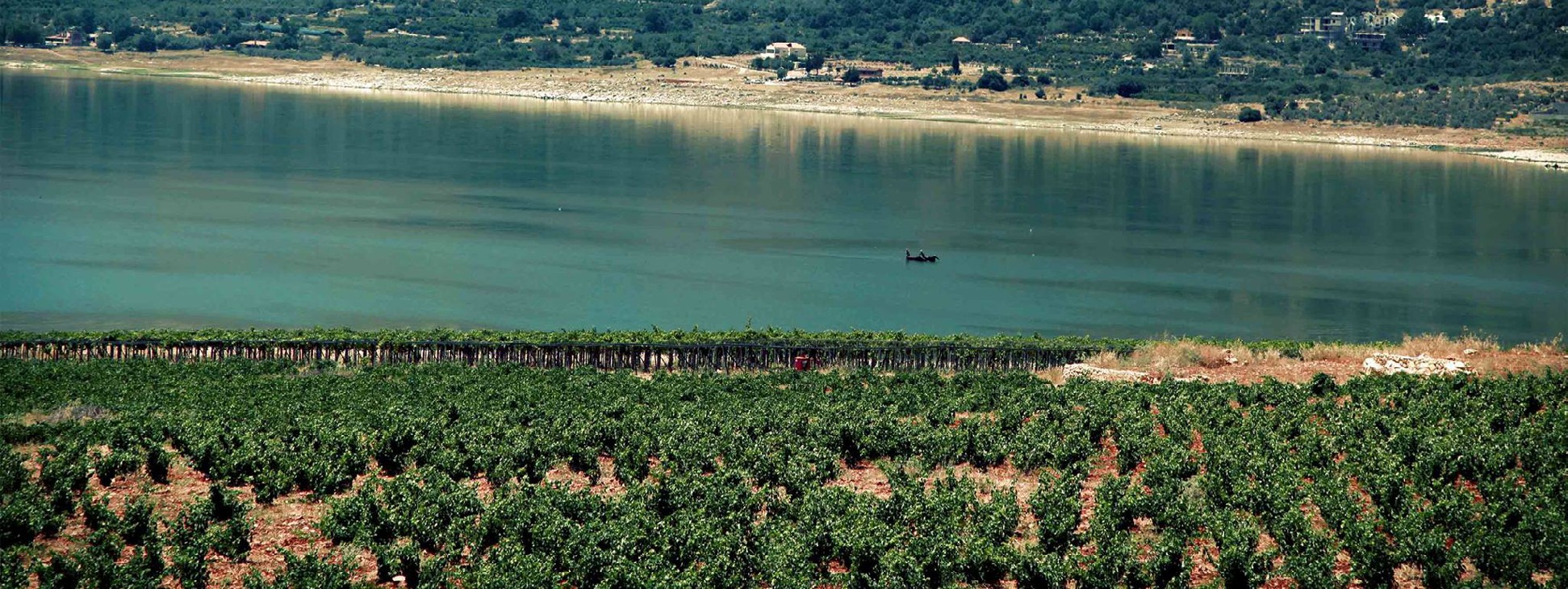
Vineyards in Lebanon span several distinct landscapes. Travelling inland from the Mediterranean, you cross Mount Lebanon, reach the Bekaa Valley and then meet the Anti-Lebanon range. Many Bekaa vineyards sit around 1,000 metres above sea level, with some parcels rising much higher.
Dry, sunny summers help ripen the grapes. Nights cool at higher elevations, which can help the berries retain acidity as their flavour develops.
Rain and snow in the mountains help restore water reserves in the soil. Melting snow contributes during the drier months.
Clay can hold moisture, while stony ground affects drainage and how the soil warms. The combination varies with the site.
From cooler hillside sites to sunnier inland vineyards, growers work with these conditions to give their reds, whites and rosés very different shapes.
A tasting brings the country’s grape varieties, regions and people into one conversation. Caracter Wines runs formats for wine lovers and for teams that choose, serve or sell wine.
Taste together, practise describing where the wines come from and work through recommendations your team can use.
Ask about future visits to vineyards, cellars and local tables. We can discuss what a trip would involve and when it might be possible.
Guided tastings bring several estates together for restaurants, sommeliers, specialist retailers and the press.
Discuss a selection for your restaurant or wine shop, with your menu, guests and range in mind.
Gather with friends or ask about an open tasting. Each format leaves time to compare wines and ask questions.
Mediterranean warmth and cool nights at altitude shape wines that can be both ripe and fresh. Lebanese grapes such as Obeidi and Merwah grow alongside Cinsault, Syrah and Cabernet Sauvignon. Start with the colour or style you enjoy, then explore the wines and their vineyards.
Read the guide to Lebanese wine styles
Look for citrus, white peach and herbs in fresh whites, or try a fuller wine with the texture of ripe stone fruit. Obeidi and Merwah give a starting point for exploring local varieties.

Red berries, herbs and lively acidity make Lebanese rosés easy to bring to a meal. Try the lighter styles with mezze or fish and the rounder wines with grilled dishes.

Lebanese reds span bright cherry and fragrant herbs to darker fruit and mature oak. Cinsault, Carignan, Syrah and Cabernet Sauvignon are good varieties to explore across producers.

An Iron Age wine press near Sidon documents winemaking on the Phoenician coast. Mediterranean trade carried wines and knowledge between ports, while later eras brought new ways of growing, making and sharing wine.
Today, families and independent growers continue to shape vineyards from the Bekaa Valley to Batroun and Mount Lebanon. Their wines bring together a range of local and international grape varieties and very different decisions in the cellar.
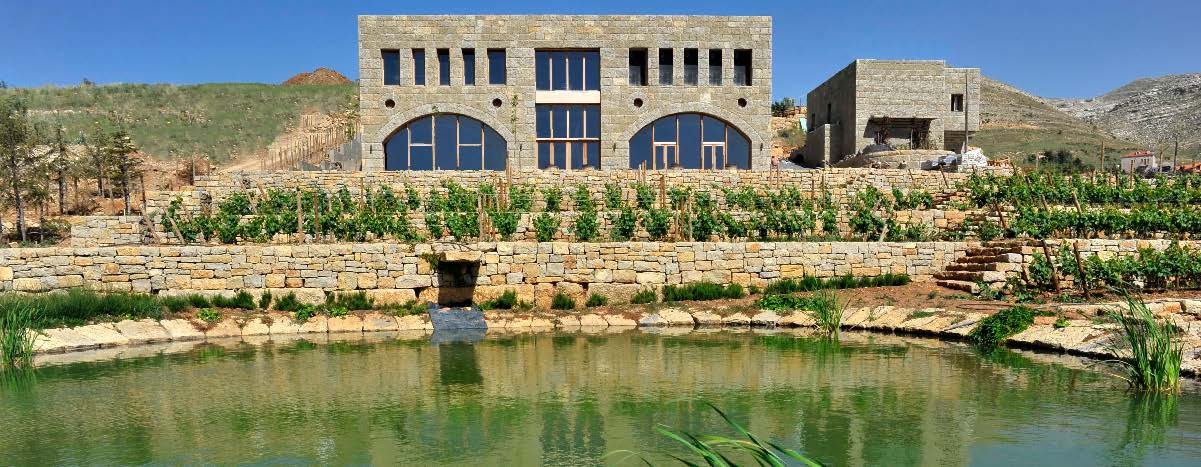
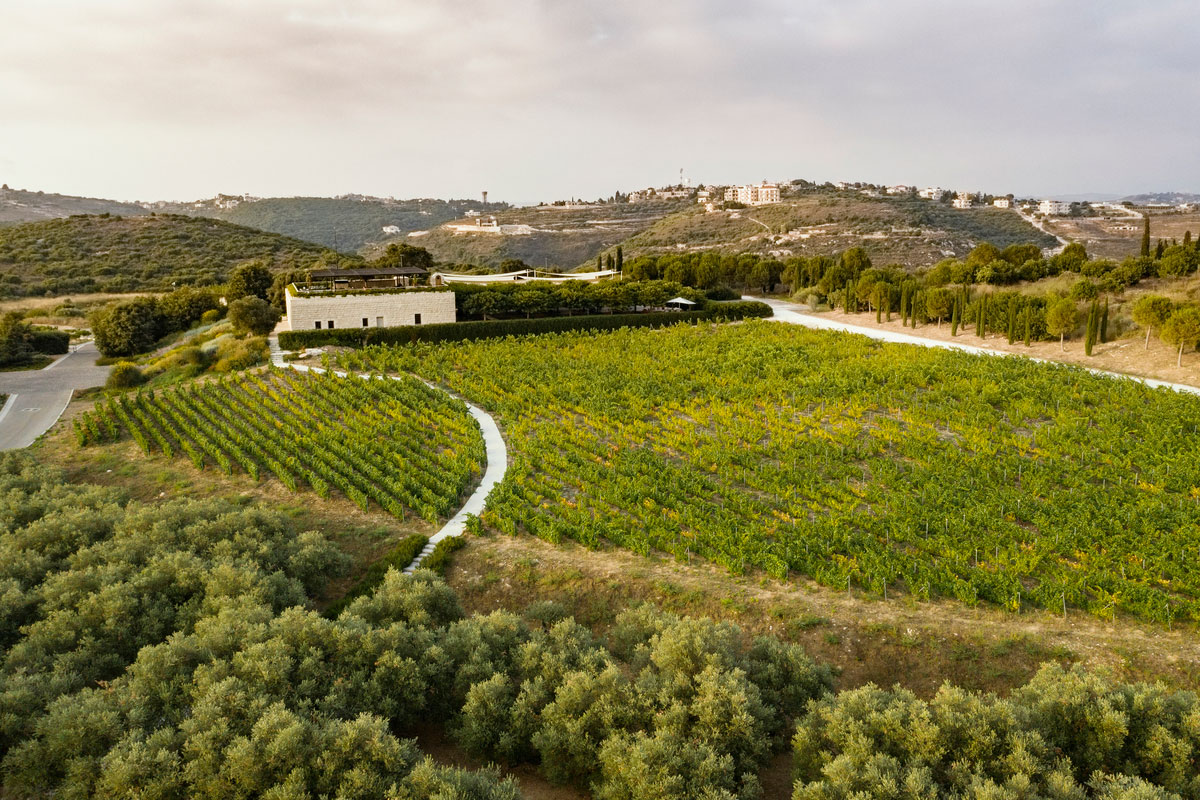
Explore family vineyards in the Bekaa Valley and restored terraces at Ras El Harf. The winery profiles introduce the people behind each estate, their vineyards and the wines they make.

Bring a new origin to your wine list or shelves. We help restaurants and specialist shops select wines from Lebanese producers, with tasting notes and food pairings to support your team.
Sourcing Lebanese wine for a restaurant, specialist shop or import business? Caracter Wines can put together a mixed pallet with wines from different estates. Ask about delivery to Spain and other European destinations.
Choose wines from different estates for your list, by-the-glass selection or menu pairings. Tell us which styles and quantities you need.
Build a Lebanese selection across producers and styles. Ask how to combine the wines you need in one order.
Combine bottles from several wineries on one pallet. We’ll check availability, quantities and freight options for your destination.
For eligible parcel deliveries, Weinstore24 uses tracked DHL shipping with bottle cartons for 1 to 18 bottles. The online shop is linked from each wine profile.
Browse the winesFor larger trade orders, Caracter Wines arranges pallet freight. You can request a mixed pallet or discuss a larger order from a single estate.
Tell us where the order needs to go. We confirm availability, dispatch and delivery timing for each route. Ask about deliveries outside Europe.
For applicable EU shipments, Caracter Wines coordinates excise documentation through the Excise Movement and Control System (EMCS). The arrangements depend on the destination and the order.
Tell us which wines you’re interested in, how much you need and where you’d like them delivered.
We’ll check what’s available for your order.
We’ll confirm the available delivery options and timing for your destination.
Meet the people who grew and traded wine, and discover the regions, grapes and dishes that give it a place at the Lebanese table.
Rome commissioned a translation of Mago’s work on farming, preserving knowledge from the Phoenician and Punic world for later readers.
From hummus to kibbeh, a table with several dishes invites you to taste how a wine changes with every bite.
Explore wine and hospitalityTwo local white varieties connect the tradition of making arak to the choices growers make in the cellar today.
Discover Lebanon’s grape varietiesAn excavated press near Sidon tells us how winemaking fitted into life and trade on the Iron Age coast.
Read about the Phoenician wine pressFollow the story from ancient wine presses and Roman Baalbek to the founding of estates and the growth of the modern sector.
Follow the timelineCompare Mediterranean vineyards with those on mountain slopes and in the Bekaa Valley.
Explore Lebanon’s wine landscapesRead archived reports on the estates, their wines and the people who bring them to the table. The reports below are in German.
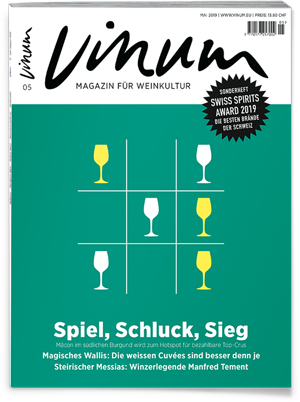
Rudolf Knoll meets Lebanese producers and tastes wines from both established estates and younger wineries.
Read the German PDF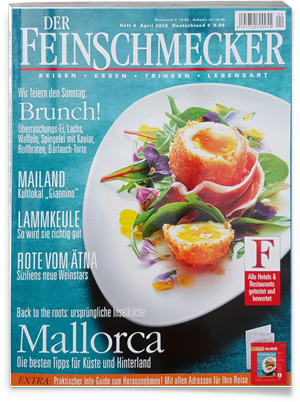
Caro Maurer visits Domaine des Tourelles and explores wines from Lebanon and its neighbours, including Domaine Bargylus in Syria.
Read the German PDF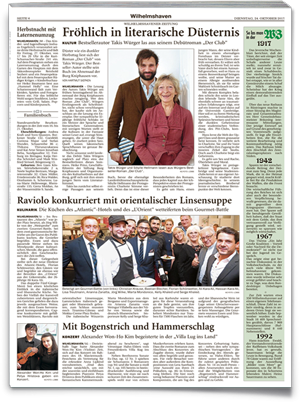
At a dinner pairing Italian and Lebanese cooking, Kelly and Serge Khaled present a selection of Lebanese wines.
Read the German PDFWhat are you serving? Choose a dish to see Lebanese wines with matching food pairings.
No match. Try pasta, fish or lamb.
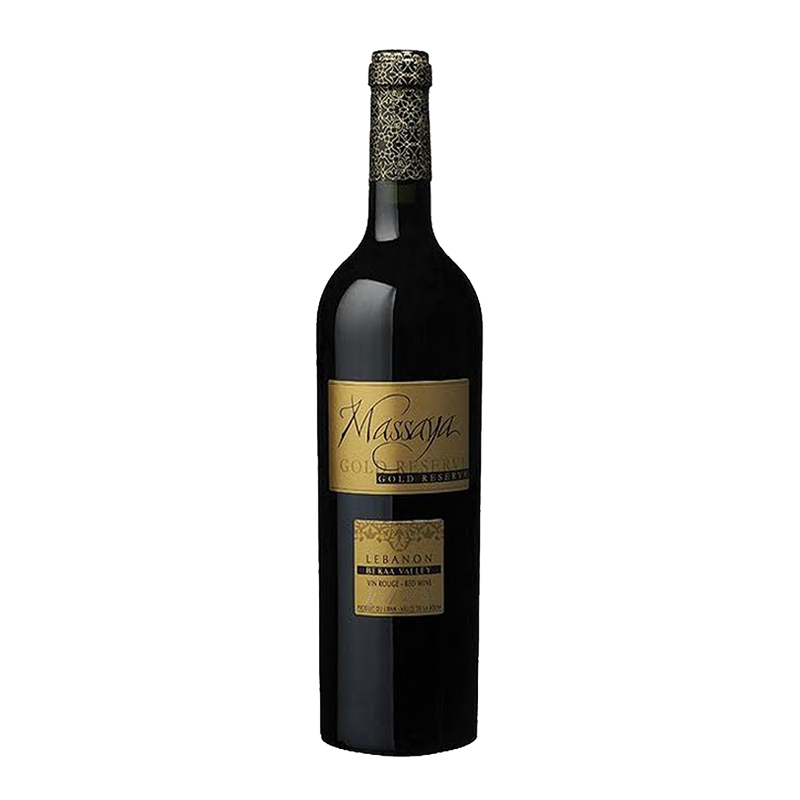
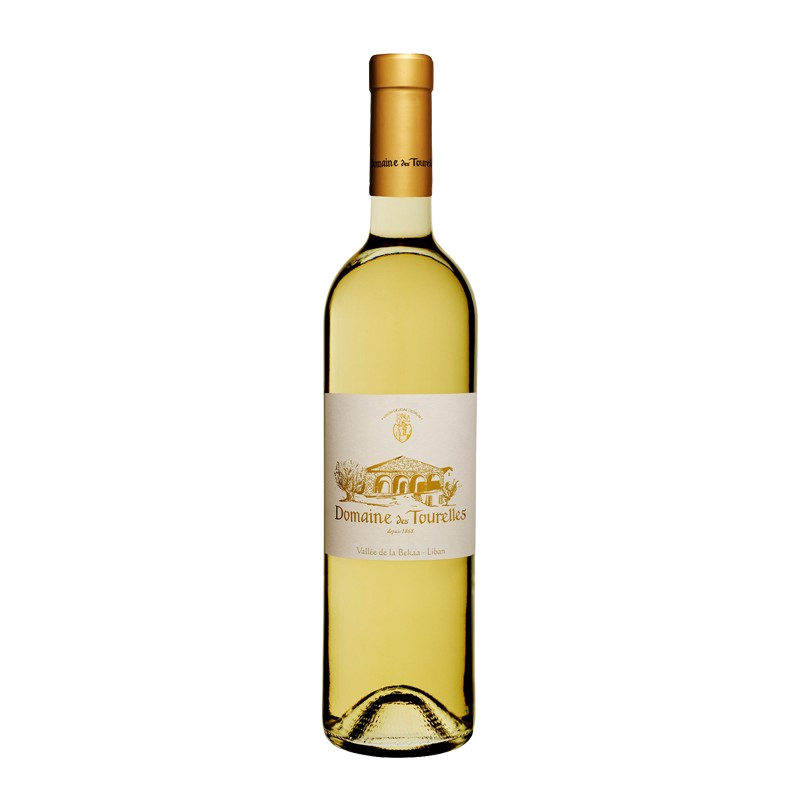
Write to us for help choosing a wine, sourcing bottles for your list, planning a tasting or finding out more about a winery.
We welcome questions from wine lovers, restaurants, specialist retailers, journalists and potential partners.