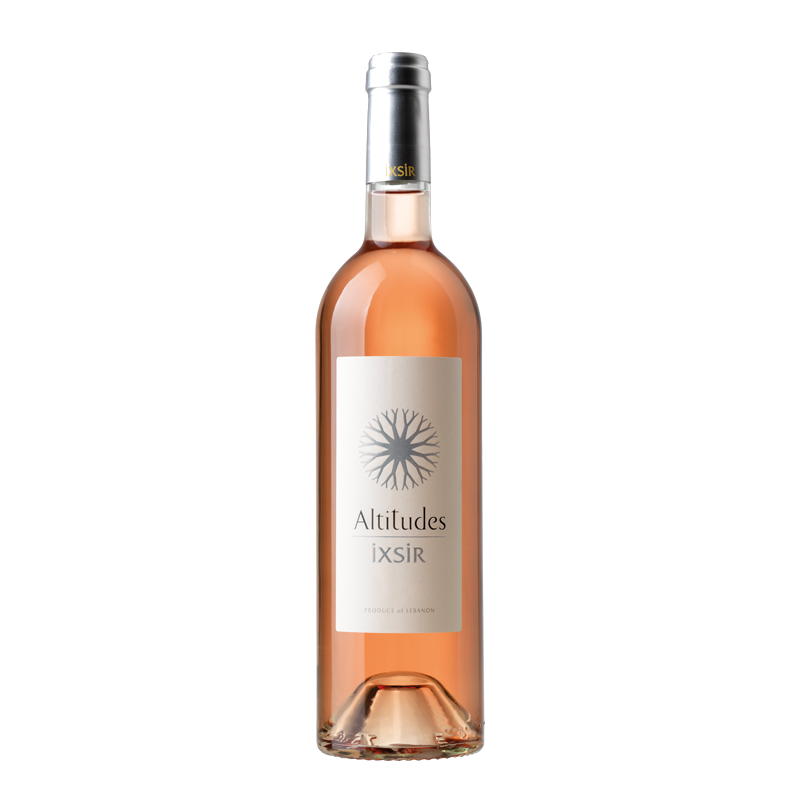
A dry rosé with a hint of vine leaf
Altitudes Rosé makes its first impression through freshness rather than a large perfume. Red fruit sits alongside a tart gooseberry suggestion and a greener note of vine leaf. Although the nose is restrained, the fruit opens up after the dry entry. The wine has a brisk flow across the palate. Its acidity supplies shape as well as the lively character that makes it useful at the table.
Tasting notes
Aromas
 Red fruit
 Gooseberry
 Vine leaf
Style & mouthfeel
 Fruity
 Crisp
 Well-structured
 Dry
 Berry-forward
 Charming
 Balanced
 Fresh
 Lively
Batroun, Jezzine and the altitude reference
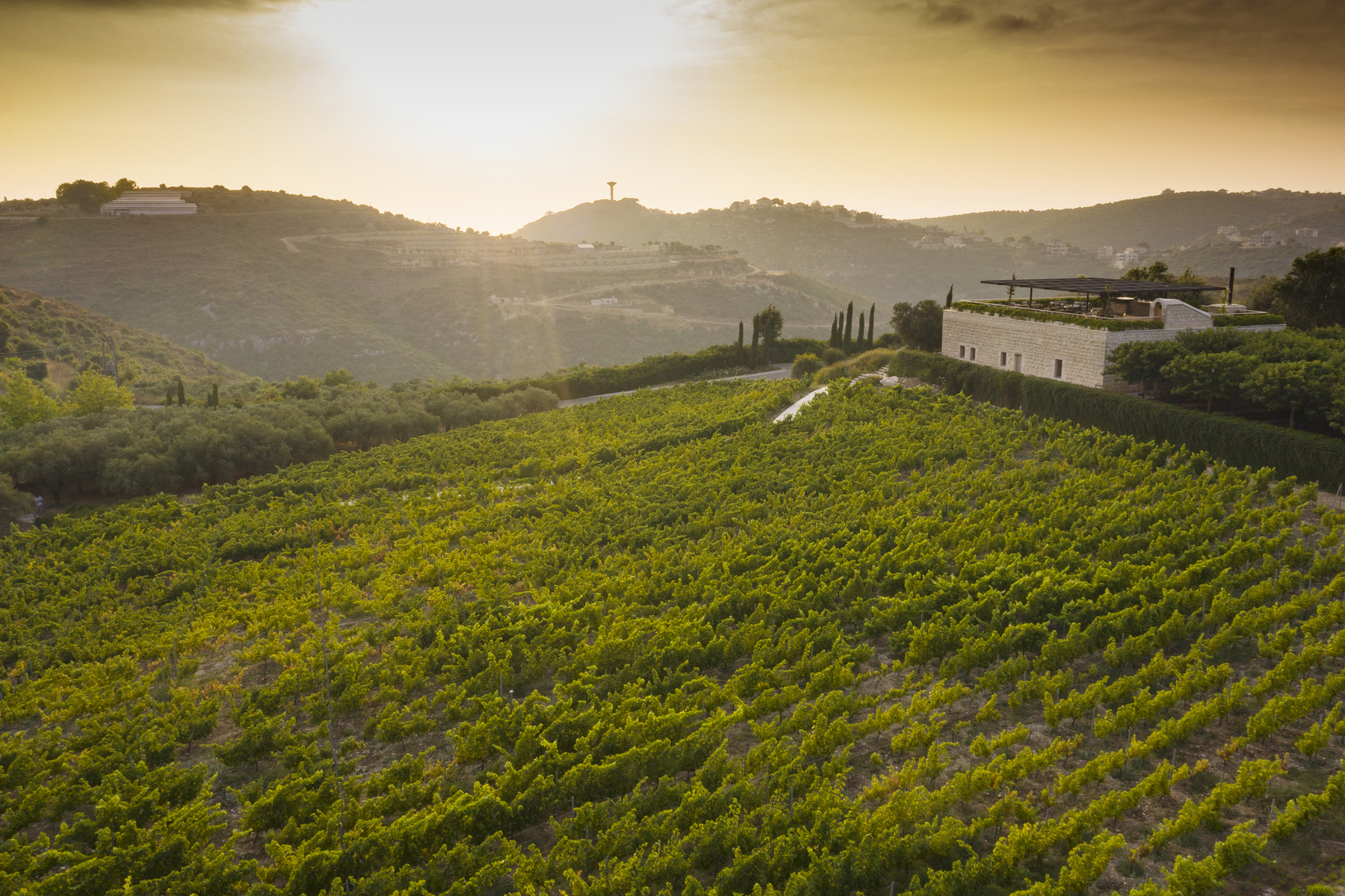
IXSIR draws on vineyards in Batroun and Jezzine. Basbina appears in the origin records for the bottling. The reference also records loam and limestone and an elevation of 1,400 metres. These details put the wine in a landscape that spans more than one growing district. Sunny days and cooler nights shape the regional conditions, while the rosé itself shows a fresh edge alongside the fruit.
Cinsault, Syrah and Caladoc
The blend combines Cinsault, Syrah and Caladoc. The three names matter because the wine represents an assemblage, rather than an expression of one variety. Together, the grapes produce a dry rosé with both berry flavour and an herbal accent. One way to understand that balance is to compare the opening red fruit with the impression of vine leaf. Both remain perceptible without being equally strong.
What the pale colour tells you
Colour is useful visual context, though it does not tell you how the cellar handled the wine. This bottling’s pale pink appearance accompanies a relatively quiet nose. On the palate, the depth comes from its acidity and its underlying red-fruit character. Distinguishing the colour from those elements makes it easier to appreciate why Altitudes Rosé can feel light on entry and still show structure with food.
A dry opening and a brighter second impression
Start with a small sip and notice the dry impression first. Then look for the softer impression of red fruit alongside the tart direction of gooseberry, without treating the glass as sweet. The leafy accent gives the fruit a distinct green contrast. Finally, pay attention to how the acidity keeps the palate lively after the fruit. The combination explains the wine’s crisp, balanced feel. At the end of the sip, the acidity is especially easy to pick out.
A rosé for the grill and the mezze table
Altitudes Rosé works with grilled meat or poultry. Its acidity gives the mouth a clean sensation between bites. Meanwhile, the red-fruit flavour remains present beside the grilled surface. On a larger mezze table, begin with small starters and follow it through to the grilled course. The same dryness and lively structure make that progression possible, while the wine’s leafy side offers another point of comparison with the food.
 Grilled dishes
 Red meat
 Poultry
 Mezze
 Starters