A red blend from Tanaïl
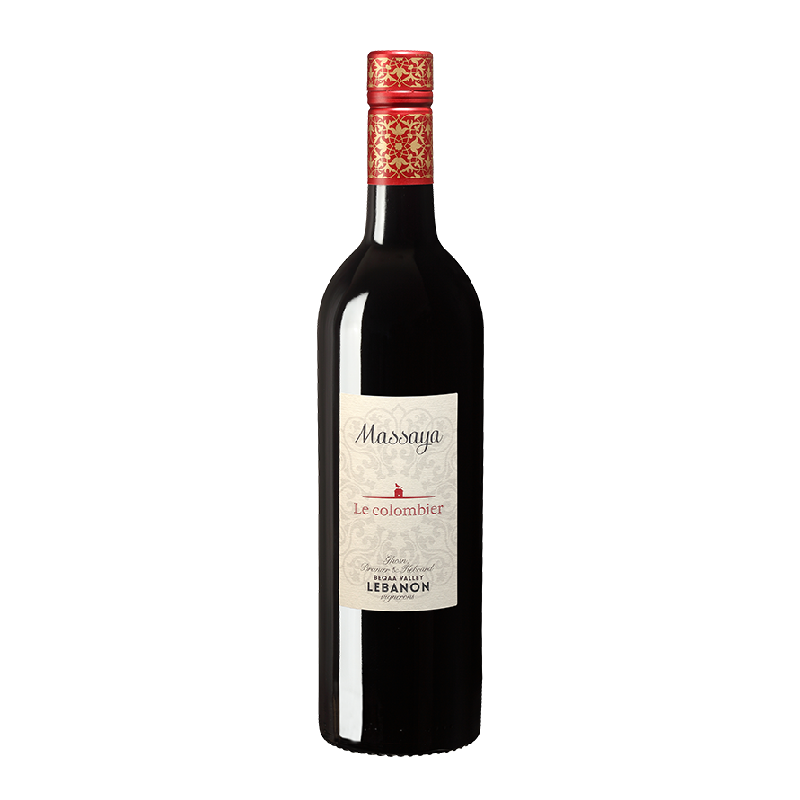
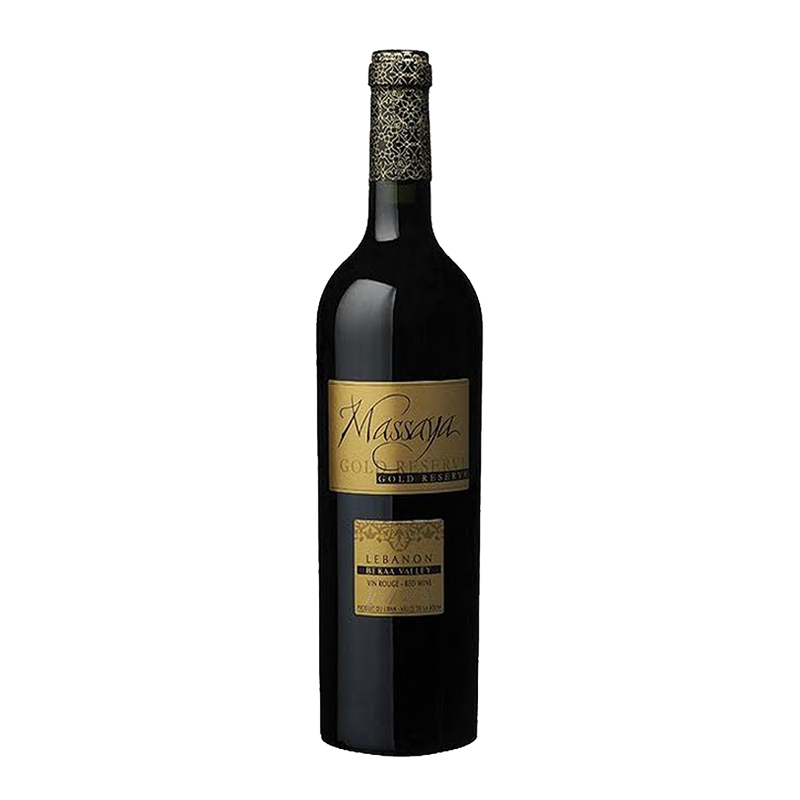
Gold Reserve is Massaya’s dry red blend of Syrah, Cabernet Sauvignon and Mourvèdre. It comes from Tanaïl in Lebanon’s Bekaa Valley. Fig and dark fruit give the wine its depth, while soft tannins and a long, spicy finish bring the blend together.
Tasting notes
Aromas
 Sandalwood
 Fig
 Dark fruit
 Oak
 Liquorice
 Cinnamon
 Integrated oak
 Vanilla
 Undergrowth
Style & mouthfeel
 Silky
 Intense
 Fruity
 Dry
 Elegant
 Soft
 Balanced
 Full-bodied
 Soft tannins
 Persistent finish
 Round
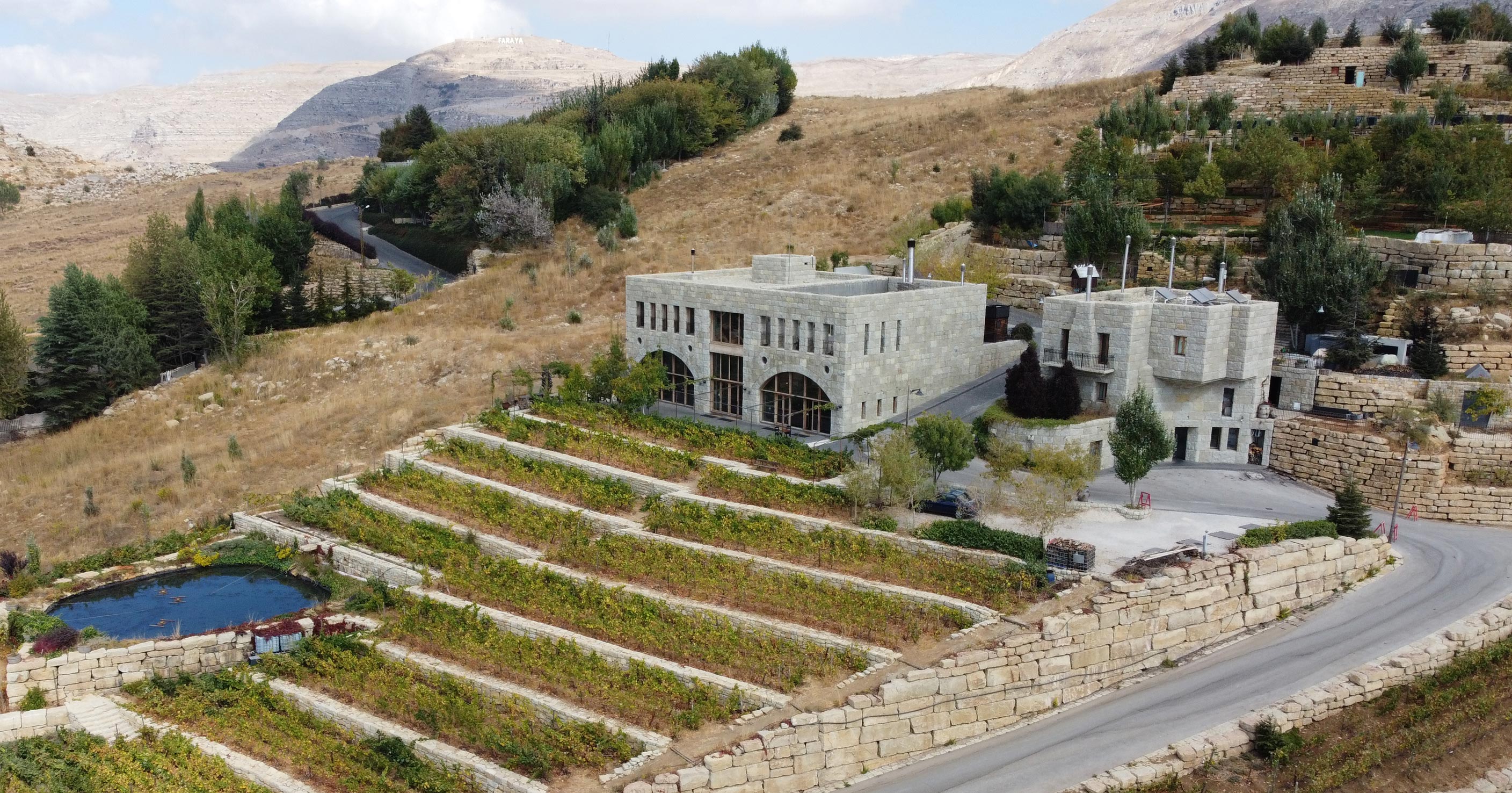
Tanaïl in the Bekaa Valley
The vineyards around Tanaïl lie at about 1,000 metres above sea level. At this elevation, sunny days give the grapes time to ripen, while cooler nights help them retain acidity. That balance matters in a wine with such ripe fruit. Meanwhile, the valley’s summer breeze helps dry the bunches.
The vineyards include loamy and calcareous soils, which hold water differently. In a dry summer, that difference matters from one plot to the next. Massaya works with those variations as the bunches ripen.
Three varieties, three ripening rhythms
Syrah, Cabernet Sauvignon and Mourvèdre follow their own ripening rhythms, so the team judges each variety separately at harvest. Earlier in the season, the growers watch the canopy and the bunches as they develop. Where the vines carry too much fruit, they limit the crop so the remaining grapes can build concentration.
The high vineyards also slow the final stages of ripening. That gives the team time to look for flavour and acidity together. Once each variety reaches the desired balance, the grapes travel promptly to the cellar.
Fermentation and French oak
In the cellar, Massaya checks the incoming fruit and works in small lots. This lets the team follow each batch through fermentation and respond to the character of the harvest. For the bottling profiled here, Massaya aged Gold Reserve for 24 months in new French oak. The team then bottled the wine without filtration.
The oak is part of the flavour. Its vanilla and warm woody notes sit alongside the fig and dark fruit. As the wine opens, the spice and fruit remain distinct, even as the textures come together.
How Gold Reserve develops in the glass
Gold Reserve pours deep purple with garnet highlights. Dark fruit and cinnamon lead on the nose, with a hint of woodland undergrowth. On the palate, fig and liquorice come forward. Then sandalwood and vanilla carry through the finish.
For a full-bodied red, the texture is notably soft and round. Acidity gives the ripe fruit definition as the wine opens. Younger bottles tend to show their fruit more directly. With time in bottle, spice and earthier notes can become more apparent. A generous glass gives the aromas space to open gradually.
At the table with lamb, mezze and aged cheese
For a main course, try roast leg of lamb or slow-braised beef shoulder. The wine’s weight suits red meat, while its softer tannins leave room for the flavours of a long-cooked dish. Its spice also works with the char on grilled meat.
At a mezze table, Gold Reserve can accompany several small starters before carrying through to the main course. If cheese follows, serve an aged variety alongside it. The dark fruit contrasts with the savoury cheese, and the wine’s long finish keeps that pairing in balance.
 Red meat
 Leg of lamb
 Aged cheeses
 Braised beef shoulder
 Cheese
 Mezze
 Starters