A rosé that follows the fruit
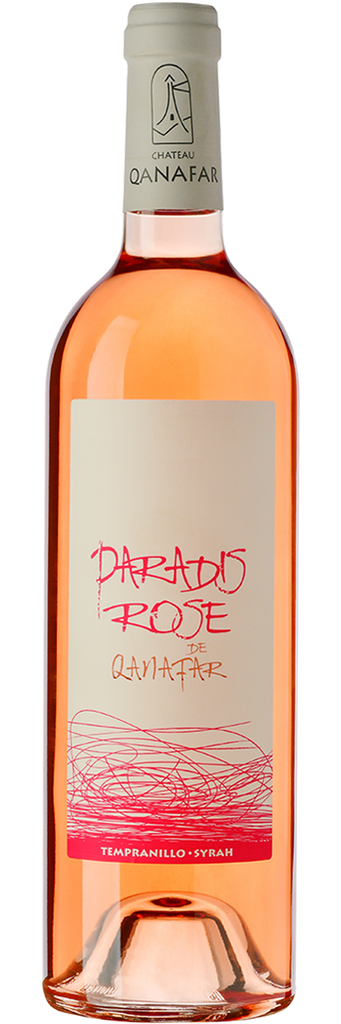
The history of Paradis Rosé de Qanafar includes a change from a single grape to a blend. Château Qanafar began with Tempranillo and brought in Syrah, then Zinfandel in the documented 2019 wine. The tasting gives the fruit just as much variety. Lychee and strawberry go in different directions on the nose. Yet the taste follows the bouquet closely and has a line of acidity that gives it a refreshing feel.
Tasting notes
Aromas
 Lychee
 Raspberry
 Strawberry
 Citrus fruit
 Guava
 Watermelon
 Red fruit
 Cherry
Style & mouthfeel
 Dry
 Fresh
 Fruity
 Elegant
 Balanced
 Crisp
 Lively
Selected vineyards above Khirbet Qanafar
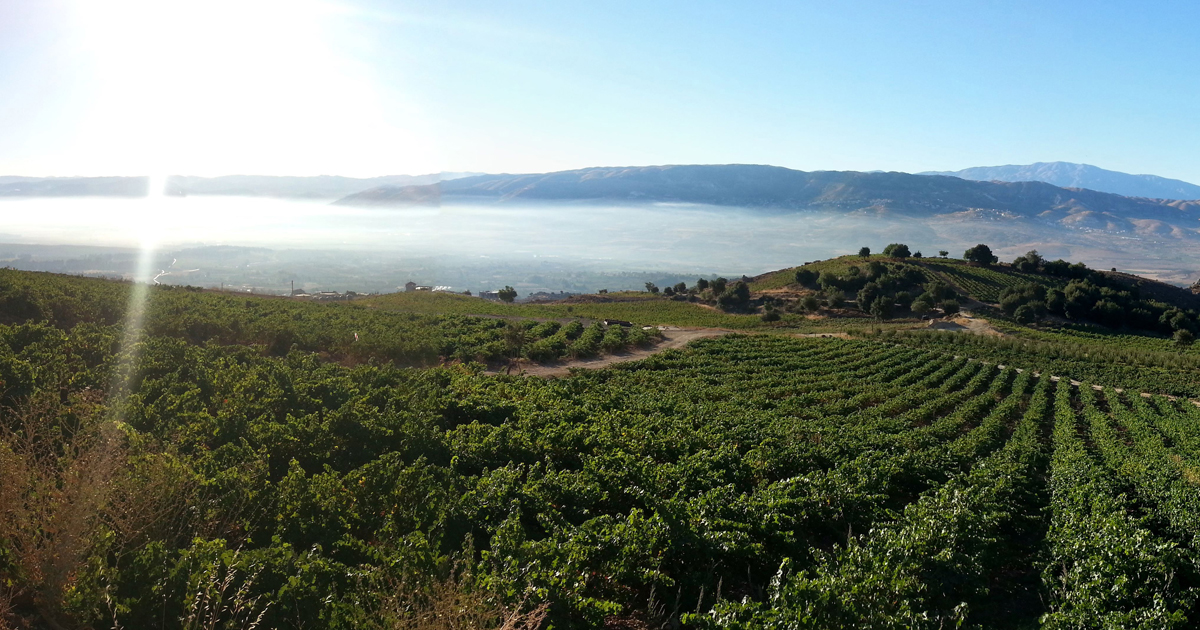
The West Bekaa vineyards are around Khirbet Qanafar. The documented altitude is about 1,200 metres. Château Qanafar sets aside particular sites for this rosé, and another account mentions limestone. The family tends the vineyards itself, so its choices about the varieties, vineyard care and picking stay close to the cellar work. This context gives the wine a specific connection to the estate. Then the colour and fruit offer two separate ways of recognising it.
How the Tempranillo rosé became a blend
The estate made its first rosé in 2016 entirely from Tempranillo, then introduced Syrah in 2017. The 2019 account gives a three-grape recipe that also uses Zinfandel. The producer records picking by hand in the third week of August for that season. These details tell a chronological story about Paradis Rosé de Qanafar. Read the three varieties as the composition of the documented reference, with scope for the winery to take different decisions in other years.
Fermentation and maturation in steel
The technical reference describes fermentation in stainless steel followed by nine months in steel. Both steps therefore share a type of vessel, while the duration applies to maturation. The associated account describes the rosé as unoaked. In the glass, the winery points to freshness, elegance and crispness. Try the fruit on the nose before looking for the fresh feel at the start of a sip. That movement is another way to recognise the producer's intended style.
Lychee, berries and refreshing acidity
Paradis Rosé de Qanafar shows lychee, raspberry, strawberry and citrus in the producer's tasting. Other accounts, including a 2023 note, describe guava and watermelon alongside raspberry and citrus. There is also a note of red cherry in a separate description. Read these as different views of the rosé. Then see how the aromas relate to the taste in your glass. The producer describes a close correspondence between the nose and palate.
From an aperitif to a fish course
Suggested matches include charcuterie, grilled fish, shellfish, Lebanese mezze and mild cheese. Pasta and pizza work as other options, alongside chicken and other white meat. The acidity gives a place to start with each of those dishes. First try the wine alongside a small starter. Then see whether the fruit stays clear with a richer sauce at the main course. Different seasonings can shift the focus from berry fruit to citrus.
 Aperitif
 Cold cuts
 Grilled dishes
 Seafood
 Mezze
 Light cheeses
 Pasta
 Pizza
 White meat
 Chicken
 Fish
 Cheese
 Poultry