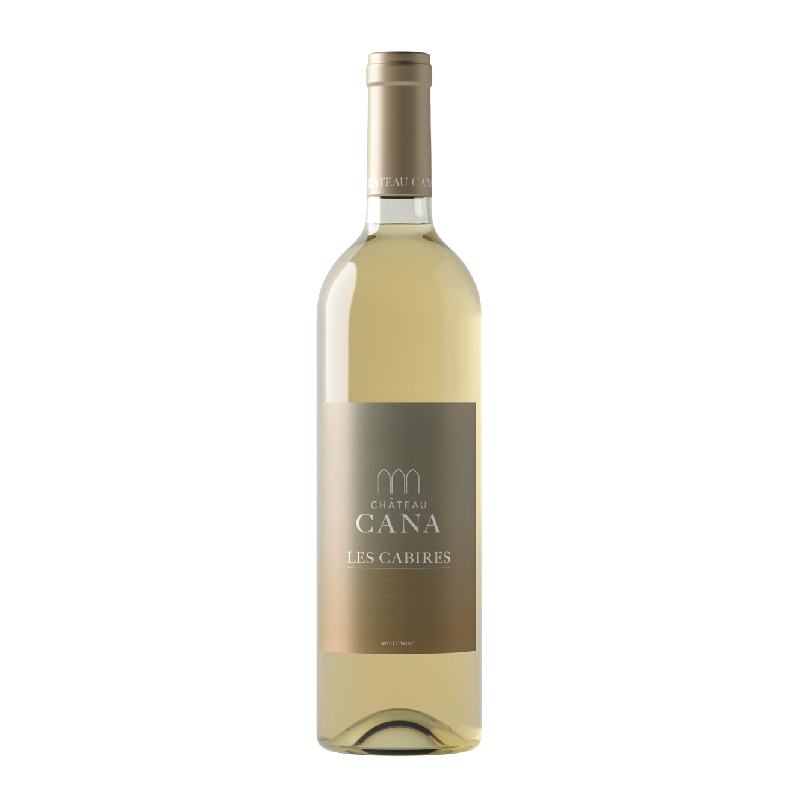
Les Cabires White from Château Cana
Chardonnay and Messasi form a blend whose quiet grace becomes clearer after the first vivid scent of quince. The white fruit is defined on the nose. Then honey and tropical fruit make the palate feel softer, while the wine maintains its dry shape. The wine keeps a dry shape throughout the tasting, even as honey becomes clearer. This makes Les Cabires White a good candidate for a comparison between aroma and texture. The white-fruit scent is direct, whereas the riper tropical fruit feels broader as it moves across the palate. The finish returns to something lighter after the honey and quince. That balance is easier to see when the wine accompanies food.
Tasting notes
Aromas
 White fruit
 Peach
 Quince
 Tropical fruit
 Honey
 Fresh fruit
Style & mouthfeel
 Dry
 Fruity
 Floral
 Creamy
 Velvety
 Intense
 Exotic fruit
 Balanced
 Fresh
 Lively
Vineyard origin
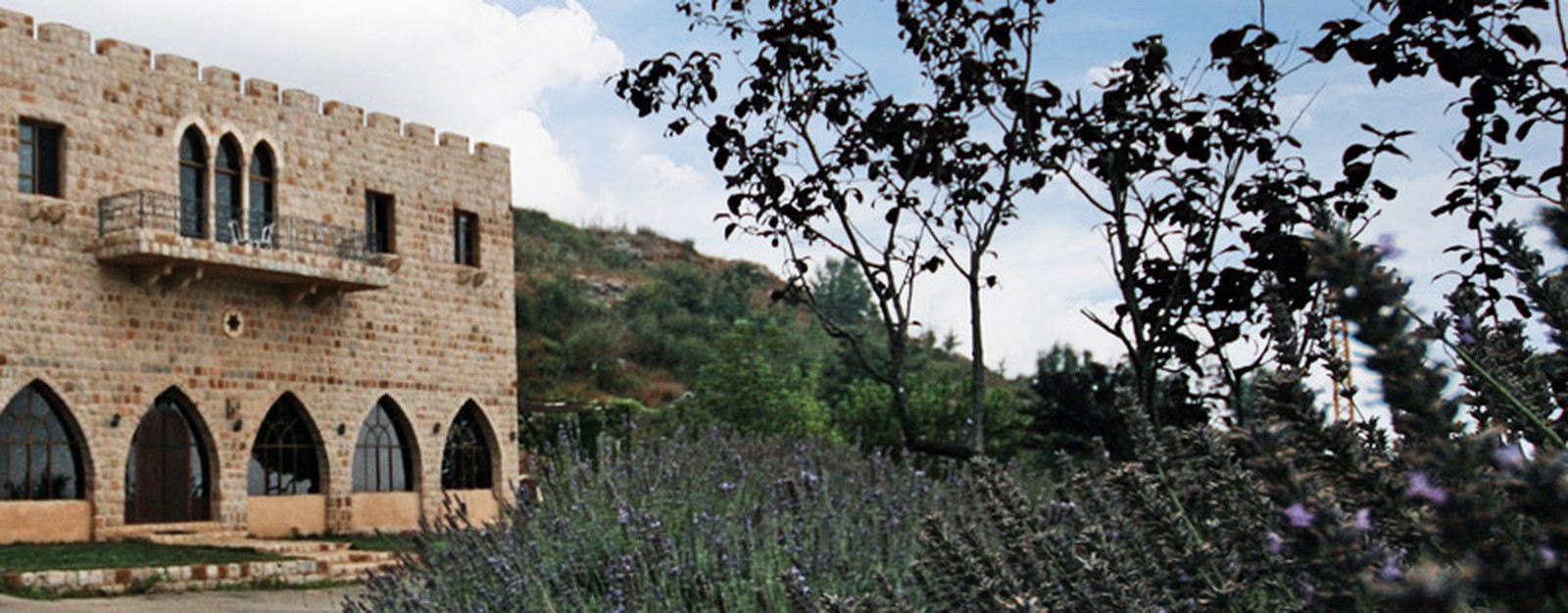
Ras el Harf and Bhamdoun are the two named sites in Mount Lebanon. The vineyards sit at around 900 metres, with loam and limestone. Warmer daylight helps develop the broad fruit flavours, while cooler nights offer a chance for the fruit to hold its acidity. That contrast is worth tasting for here because the ripe peach and honey can create a richer first impression than the finish warrants.
Grapes and vineyards
Château Cana brings Chardonnay and Messasi together. The team follows the two varieties separately as they ripen, then brings the fruit into the cellar promptly after harvest. In the finished wine, start with the white-fruit impression and look for quince beneath peach. The tropical notes sit further back. Then the brighter side of the palate gives a useful second reading of the blend.
Messasi shares this blend with Chardonnay. The tasting is the clearest account of how those grapes work together. It moves from a precise quince scent to a broader, tropical palate and finishes with a restrained honey note.
Character in the glass
Quince gives Les Cabires White more definition than a simple account of tropical fruit. Peach comes through next, followed by the softer flavour of ripe white fruit. The palate then feels creamy, while a slight honey note shows near the end. That development can make the wine smell sweeter than it tastes. The contrast is helpful for reading the texture of a dry wine made from ripe grapes.
At the table
A glass on its own lets the quince come through, but grilled vegetables and cold tapas give Les Cabires White more to work with. It is also a useful white for mezze because freshness and a creamy palate can both play a role. The estate's savoury pairings are as revealing as the fruit itself. Try the lighter plates first so the wine's quieter honey detail remains easy to notice.
 Grilled dishes
 Vegetables
 Cold tapas
 Aperitif
 Red meat
 Mezze
 Starters