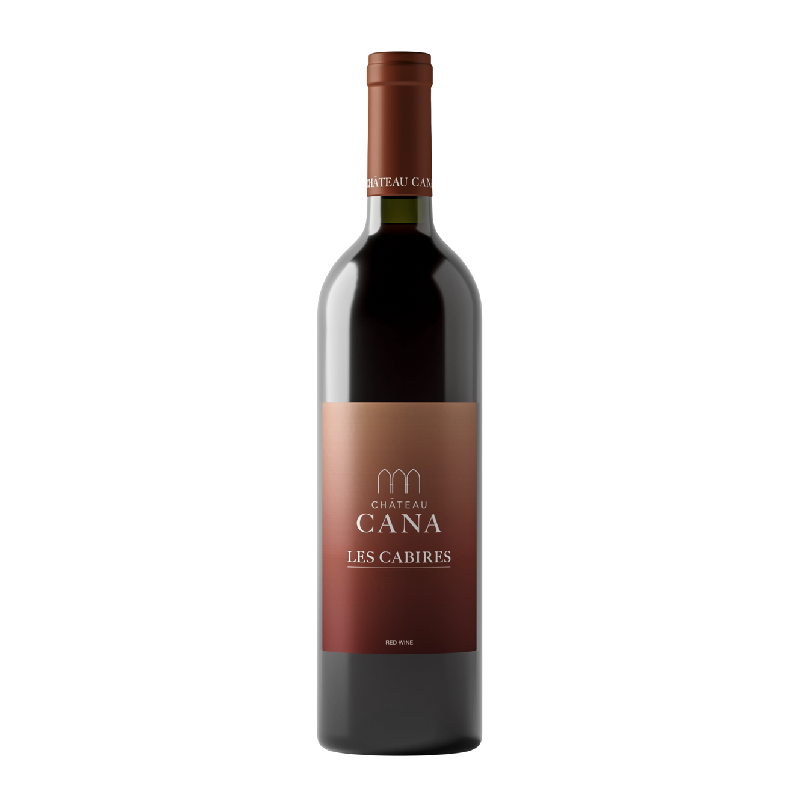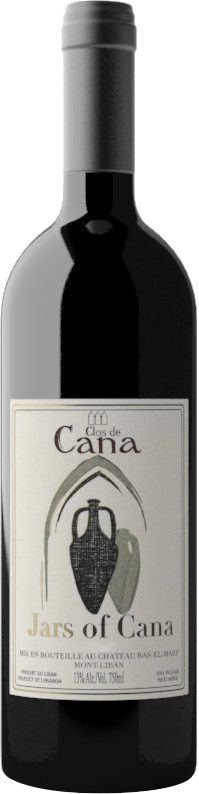
Jars of Cana from Château Cana
Jars of Cana has more weight than its strawberry aroma leads you to expect. The red fruit is inviting, yet green pepper and violet take the nose in different directions. The feel of the tannins matters because the weight of the blend is considerable. Its purple-red colour is a good introduction to the weight of the cuvée. Even so, strawberry remains easy to pick out as the aroma changes. Then the spices and texture set up the longer, more substantial dishes the wine can accompany.
Tasting notes
Aromas
 Green peppercorn
 Violet
 Pepper
 Strawberry
 Vanilla
Style & mouthfeel
 Intense
 Full-bodied
 Fruity
 Silky
 Elegant
 Peppery
 Dry
 Well-integrated tannins
 Powerful
 Balanced
Vineyard origin
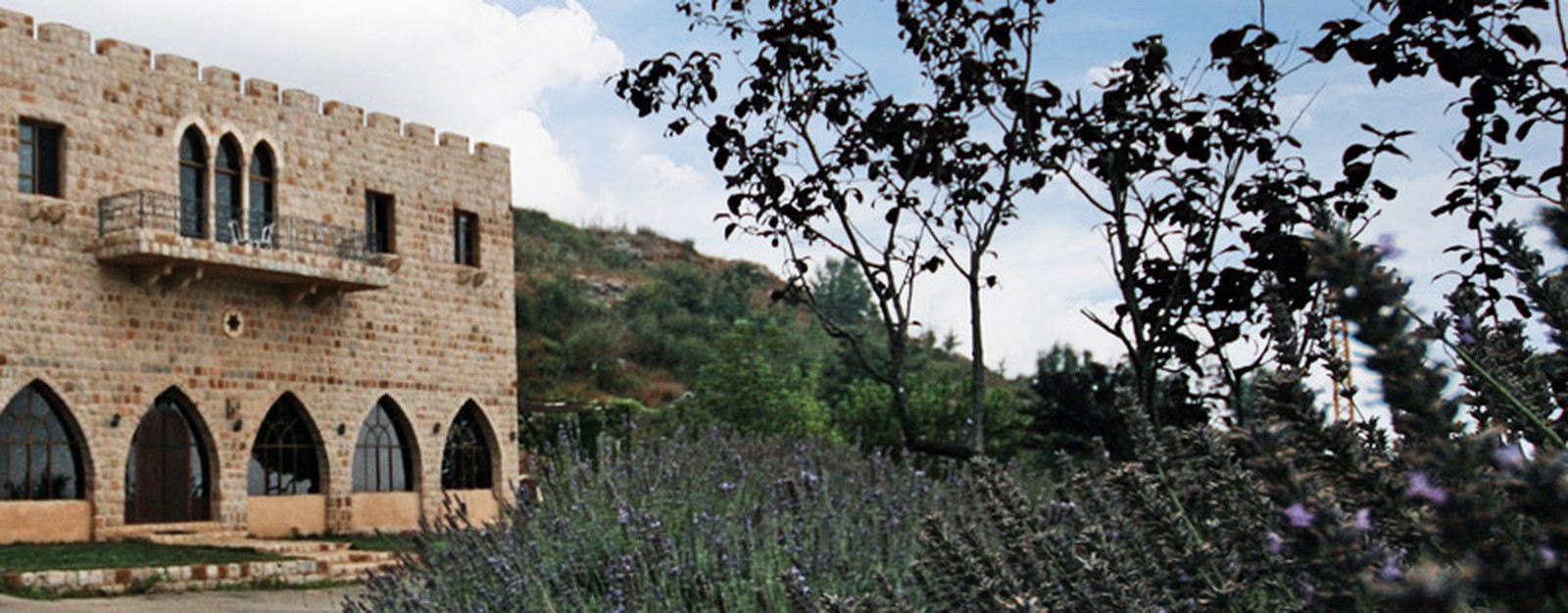
Mount Lebanon gives Jars of Cana a high inland origin. Its grapes come from Ras el Harf and Bhamdoun, at around 900 metres on loam and calcareous soils. Warm daylight develops the berries, while cooler nights help keep their acidity. The site offers an especially useful frame for this wine. Its red fruit has a fresh side beneath the perfume of violets, green peppercorn and vanilla.
Grapes and vineyards
Before harvest, Château Cana follows the ripening of Mourvèdre, Merlot and Petit Cabernet. The estate's grape names are useful because they explain the composition of the cuvée. However, the tasting follows a different sequence. Start with the strawberry. Then notice how green peppercorn gives a sharper edge to the violet perfume. Vanilla helps round off the change, especially once the fruit has made its first impression.
Winemaking and maturation
Mourvèdre, Merlot and Petit Cabernet make up the blend. It spends eighteen months in new French oak in the documented profile. The time is not the only feature that matters here, because the strawberry, violet and integrated tannin already say a great deal about the balance.
Character in the glass
Follow the strawberry through the first sip of Jars of Cana. The pepper comes through more sharply above it. Then the fruit broadens across the palate and violet grows less immediate, although it remains a distinctive detail. The tannins feel integrated, which helps the blend hold its substantial body without burying those earlier aromas. A full palate and an open perfume can therefore sit in the same glass.
The palate is full and balanced, with tannins that work into the ripe fruit rather than interrupting it. The floral note gives the finish a lighter touch.
A quieter vanilla note arrives as the wine opens. The brighter pepper and floral notes stay apart from that softer detail.
At the table
A braise of beef shoulder suits the depth and tannin. Duck offers a different match because the blend's green pepper and berry notes both have space beside the meat. Aged cheese is another good choice later in the meal. The fruit also works with savoury mezze before a more substantial main course.
 Duck
 Aged cheeses
 Braised beef shoulder
 Poultry
 Cheese
 Red meat
 Mezze
 Starters