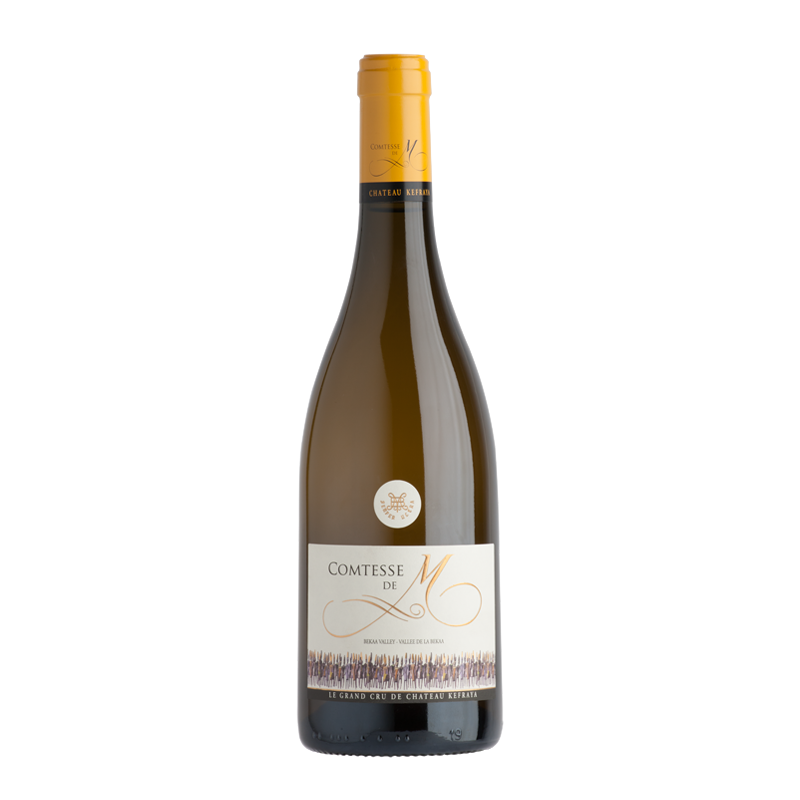
Comtesse de M from Château Kefraya
This full white brings three grapes and an extended period in barrel into the same picture. Its first impression is smoke and toast. Then the apricot, grapefruit and tropical fruit make the wine fresher than the richer aromas alone might suggest. Coconut and gingerbread add a warmer side to the toast. After the fruit has taken over, a chalky impression gives the palate a clearer edge. Try to follow that transition separately from the oak, because the finish has several layers.
Tasting notes
Aromas
 Toast
 Coconut
 Gingerbread
 Chalk
 Exotic fruit
 Flint
 Apricot
 Vanilla
 Honey
 Grapefruit
Style & mouthfeel
 Dry
 Bold
 Smoky
 Complex
 Mineral
 Harmonious
 Exotic fruit
 Fresh
 Round
 Balanced
 Full-bodied
 Fruity
 Intense
 Persistent finish
 Lively
Vineyard origin
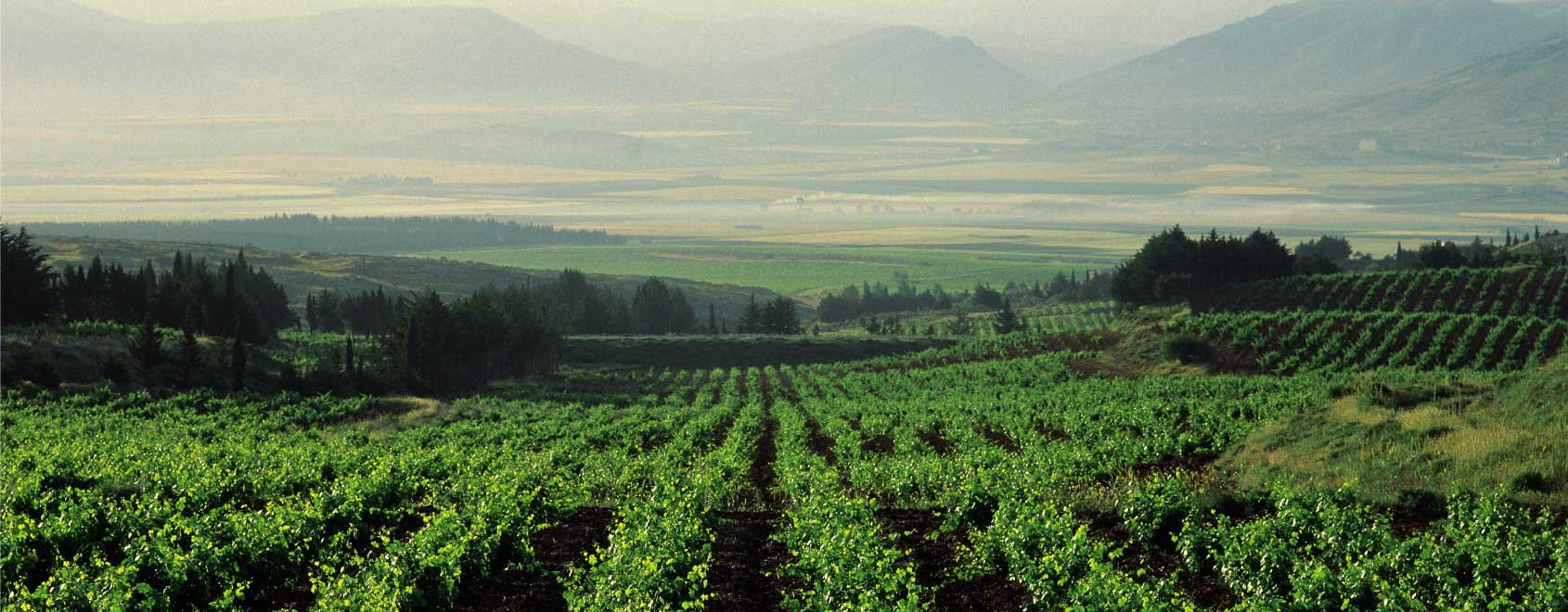
Château Kefraya identifies Zahlé and Kefraya as the source of the grapes. The vines grow about 1,000 metres up in the Bekaa Valley, on loam and calcareous soils. Warmer days give the grapes scope to ripen, while cooler conditions after dark help maintain freshness. For Comtesse de M, the clearest way to taste that balance is alongside its more pronounced toast, coconut and pastry-spice notes.
Grapes and vineyards
Chardonnay, Vermentino and Viognier share the cuvée. As the fruit develops, the growers check its condition and choose when to harvest each variety. The finished wine can show exotic fruit at the same time as chalk and gingerbread. Those details are easiest to notice in separate stages. First give the fruit room, then look for the chalkier impression once the broader oak aromas have registered.
Winemaking and maturation
Chardonnay, Vermentino and Viognier are the recorded grapes. The reference gives the blend twenty-four months in new and second-use French oak. The cellar information makes the toast and vanilla easier to place, while the freshness remains evident even beside a long maturation in barrel.
Character in the glass
Comtesse de M starts with a brisk combination of flint and toast. Coconut and gingerbread are clearer a moment later. Then apricot, grapefruit and a finer mineral note come forward. The palate feels round but fresh, with tropical fruit and a little honey building its depth. Meanwhile, the toast persists through the finish. The shift from aromatic smoke to ripe fruit helps explain its breadth.
The palate is full and rounded, with enough freshness for the tropical fruit to remain distinct. Toast and honey follow through into an intense, long finish.
At the table
Serve Comtesse de M with seafood or a delicate fish dish if the aim is to pick out grapefruit and flint against the wine's fullness. The same texture makes a stronger cheese a plausible later pairing. Mezze and other small starters let the wine's different aromas show in stages, from toast and gingerbread to apricot and quieter honey.
 Seafood
 Aged cheeses
 Strong cheeses
 Pungent cheeses
 Delicate fish dishes
 Cheese
 Mezze
 Starters