Inside Rosé de Aurora
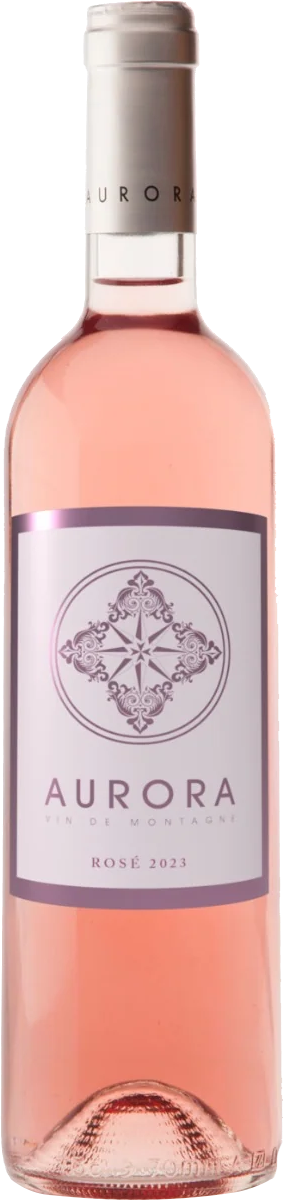
The pale pink colour sets up fresh red berries, especially raspberry and strawberry. Rosé de Aurora carries those same flavours onto a medium-bodied palate. Its acidity feels distinct, so the fruit retains a fresh edge as the texture becomes silkier. The red-berry impression continues into the long finish. That balance gives the wine two ways to fit a meal. Its freshness sits easily beside lighter starters, while its body can take on poultry and fish.
Tasting notes
Aromas
 Strawberry
 Raspberry
 Red berries
 Fresh fruit
Style & mouthfeel
 Dry
 Fresh
 Silky
 Persistent finish
 Medium-bodied
 Fruity
 Versatile
 Medium to high acidity
Terraces in northern Lebanon
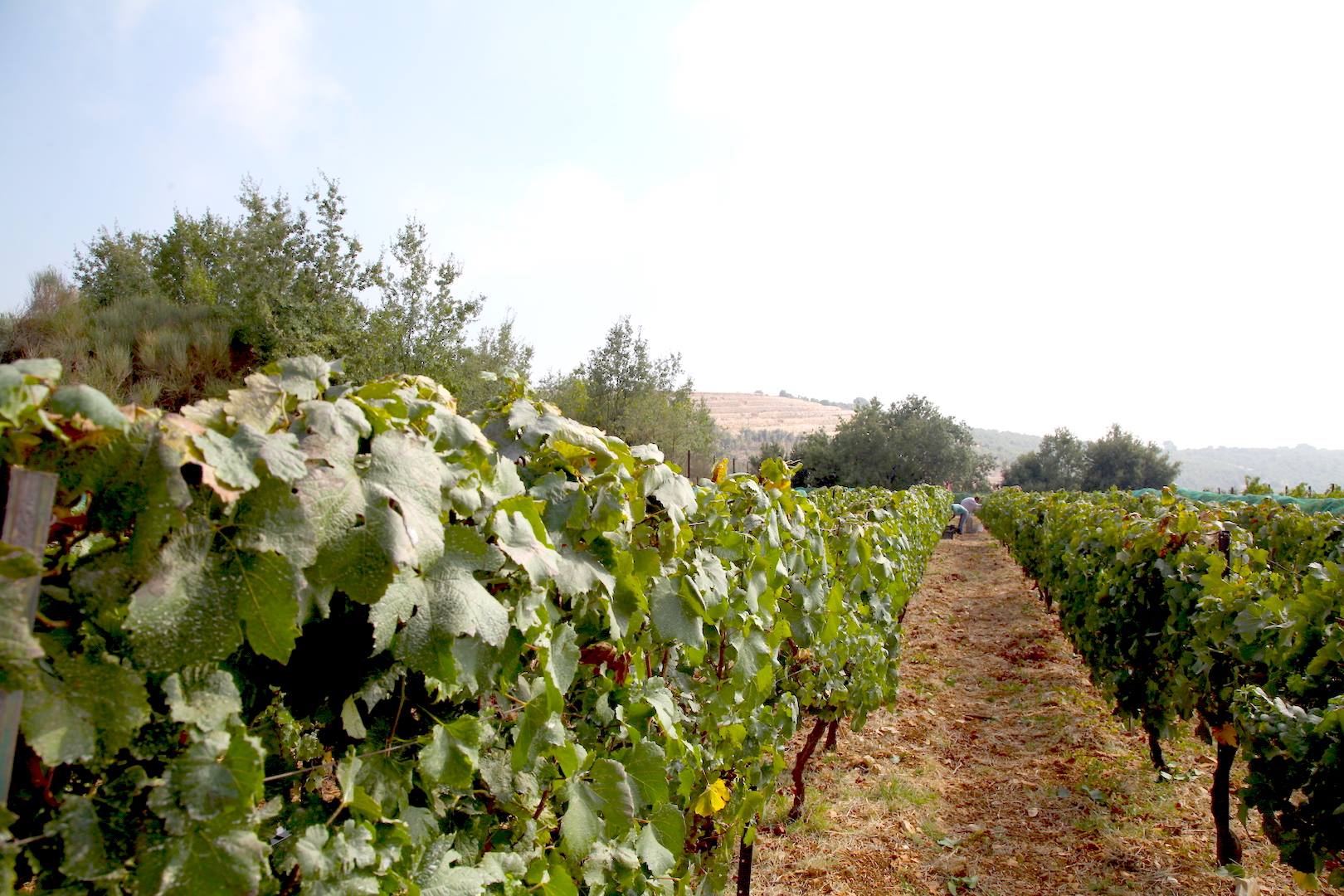
The Aurora Vineyard lies in the hills of the Batroun district. Terraces mark out the vineyards, where the estate describes limestone and loam beneath the vines. The winery’s home in Rachkiddeh is also within Batroun. The vineyard gives the rosé its origin, whereas Rachkiddeh identifies the winery’s location. Northern Lebanon is the wider setting for both. At the vineyard, Cabernet Franc and Cinsault provide the fruit for a blend with a clear red-berry character.
Hand selection from dry-farmed vines
Aurora works with dry-farmed vines and controls the number of bunches they carry. The team also picks by hand. In 2023, the documented vineyard stood at 900 metres, and the vines were around ten to fifteen years old. The estate kept eight bunches per vine and harvested at the end of August. Those figures belong to that reference year. They explain how yield control and a specific picking date entered the making of this rosé.
Gentle pressing and cool fermentation
For Rosé de Aurora, the team presses the grapes gently as soon as they arrive. The juice then has little time against the skins before it goes into stainless steel tanks. Cool fermentation follows, and the team filters before bottling. In 2023, the wine went into bottle four months after harvest. That period tells you when bottling took place. The light colour and focus on fresh berries are the clearest sensory features to look for.
A silky finish with fresh acidity
Start with the raspberry note, then look for strawberry and the broader impression of red berries. The acidity runs through the middle of the wine, where the texture has more weight than the pale colour might suggest. Afterwards, the finish feels long and silky. The estate suggests serving its 2023 wine at 8°C. At the table, that freshness is particularly welcome alongside the fuller texture of salmon or a soft cheese.
From grilled fish to vegetable tarts
Serve Rosé de Aurora with salmon, tuna or grilled chicken. It can also accompany charcuterie, duck or pink lamb. For a smaller plate, consider a spinach and feta tart or a quiche. The wine’s acidity gives an egg-based dish a refreshing partner. Alternatively, try roasted or grilled vegetables and let the red fruit stay in the foreground. For the cheese course, choose a soft Brie or Camembert.
 Salmon
 Grilled dishes
 Cold cuts
 Duck
 Lamb
 Vegetables
 Soft cheese
 Poultry
 Fish
 Red meat
 Cheese
 Quiche
 Spinach and feta tart
 Egg dishes
 Roasted vegetables
 Grilled vegetables
 Brie
 Camembert
 Tuna