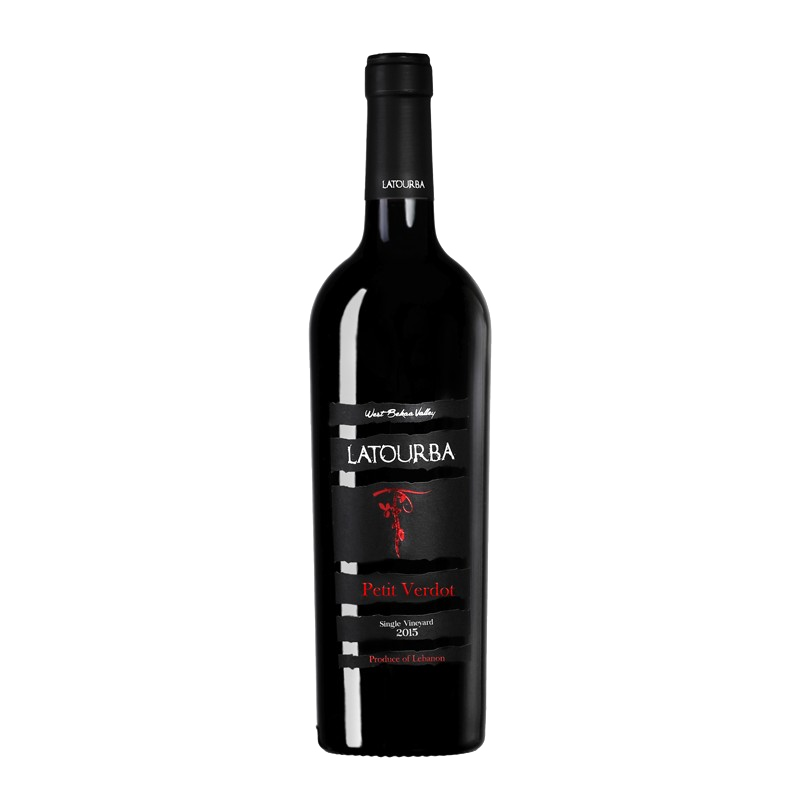
Petit Verdot from the western Bekaa
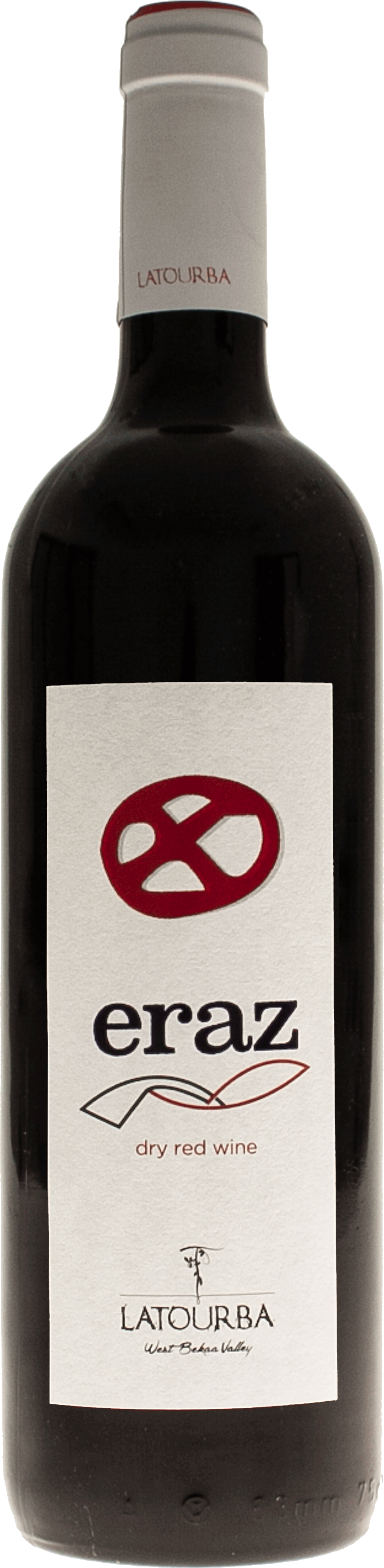
Petit Verdot gives Latourba a dark, assertive red with a firm outline. In the glass, purple reflections hint at the colour’s depth. Dark berries and leather dominate the first scent. Plum and tobacco become clearer on the palate. However, the combination of acidity and well-integrated tannins keeps the stronger flavours in proportion. There is enough freshness to make another sip inviting.
Tasting notes
Aromas
 Dark fruit
 Leather
 Red berries
 Dark berries
 Plum
 Red forest berries
 Tobacco
 Berries
 Dark forest berries
Style & mouthfeel
 Well-structured
 Intense
 Fruity
 Berry-forward
 Bold
 Balanced acidity
 Well-integrated tannins
 Balanced
 Fresh
 Powerful
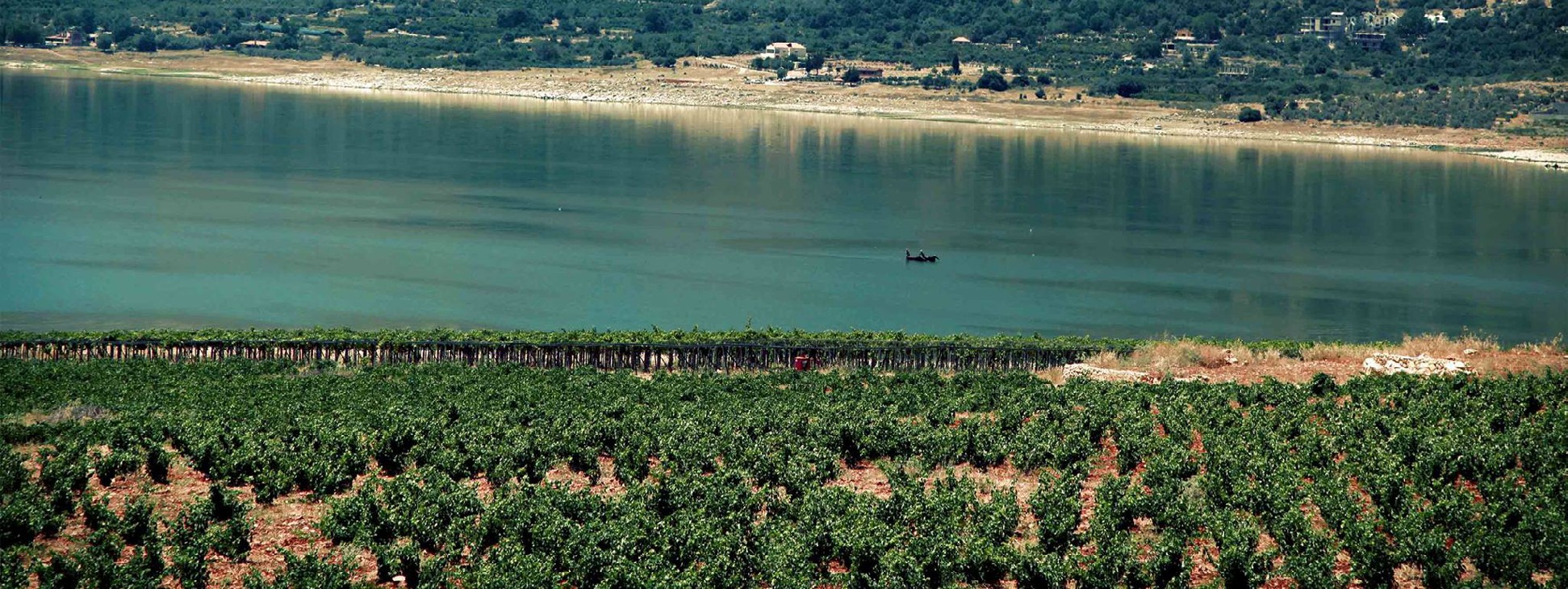
Qaraoun at 900 metres
The reference locates the vineyards around Qaraoun and records about 900 metres. This part of the Bekaa Valley sits near the reservoir between two mountain ranges. The estate’s other single-variety profiles also list Qaraoun. In a tasting, that difference in grape variety against a shared origin can be more useful than grouping the wines simply as reds. Cabernet shows a clearer cedar note, whereas this wine moves towards leather and tobacco.
A varietal bottling rather than a blending component
Petit Verdot can appear as a component in blends. Here it takes the whole role, giving a direct impression of the grape in Latourba’s range. In this bottling, dark berries are as important as structure. They open out through plum and woodland fruit while the tannins remain present. That relationship matters when comparing the wine with another variety from the same set of vineyards.
Twelve months in new French oak
Latourba’s reference describes first-fill French barrels and a twelve-month maturation. The cellar detail is useful when relating the wine’s layers to the wood. Yet the tasting notes give equal attention to its fruit, acidity and tannins. Tobacco and leather add savoury depth. Meanwhile, black fruit continues to be recognisable after the first sip. This is why its concentration can feel integrated rather than dominated by maturation.
Plum, leather and tobacco
On the nose, look first for general dark fruit and then for the leather note. Petit Verdot becomes broader on the palate. In particular, plum and dark forest berries stand out from the more savoury tobacco. Acidity helps keep the palate fresh. Finally, the tannins give the dark fruit a sustained outline. The finish makes it easier to separate the bold palate from the wine’s actual balance.
Steak, beef tongue and pork belly
A steak gives the structure something substantial to work with. Beef tongue is another documented option if you want a less usual, savoury pairing. For a richer course, try pork belly. The acidity has a more noticeable role beside that texture, while the plum and tobacco give the next sip depth. Alternatively, serve a few mezze starters first and compare them with the meat. Petit Verdot can show a brighter fruit impression alongside the smaller dish.
 Steak
 Beef
 Beef tongue
 Pork belly
 Roast steak
 Red meat
 Mezze
 Starters