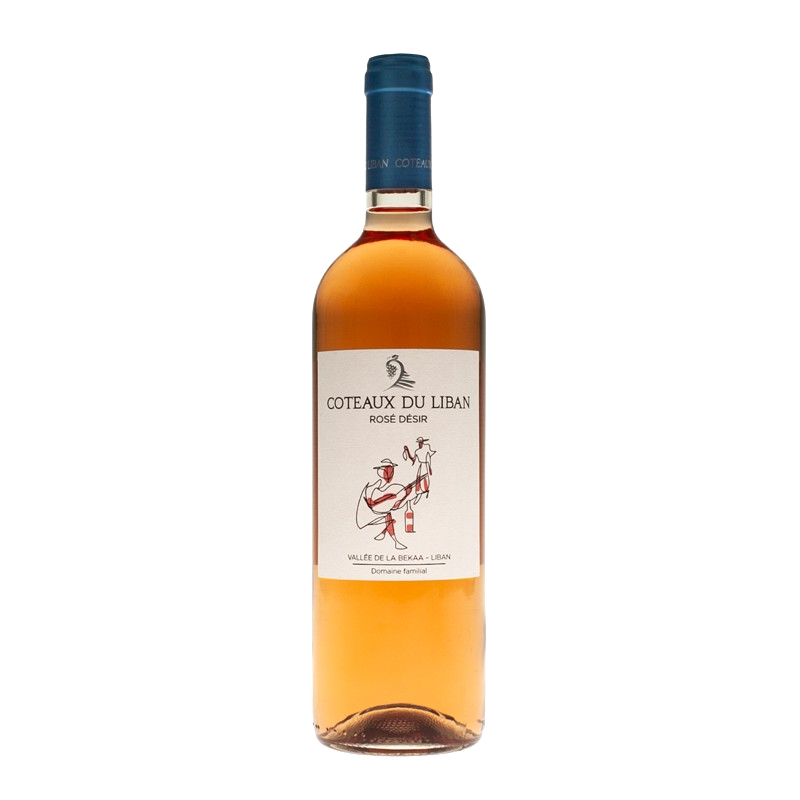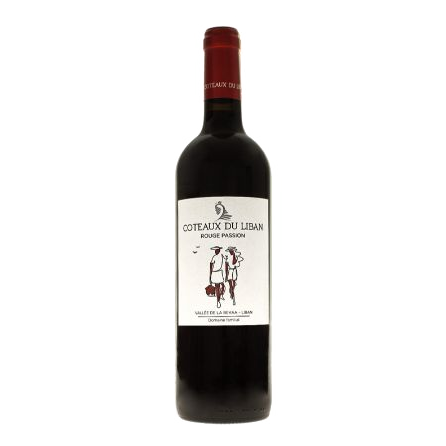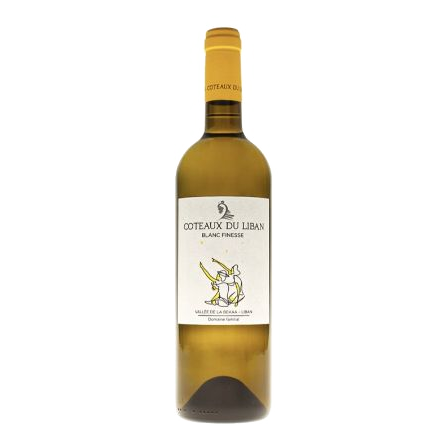
Pale gold and bright tropical fruit
Blanc Finesse opens on ripe white fruit and then moves into pineapple and other tropical flavours. Its light feel makes that progression unusually easy to follow. There is also a little breadth on the palate, which carries the fruit well enough for the wine to work beyond the first glass. The palate retains the freshness that makes the wine useful at the beginning of a meal.
Tasting notes
Aromas
 White fruit
 Exotic fruit
 Pineapple
 Ripe white fruit
Style & mouthfeel
 Easy-drinking
 Dry
 Intense
 Exotic fruit
 Fruity
 Fresh
 Bold
 Honest
 Light
 Balanced
 Lively
Zahlé and Dhour
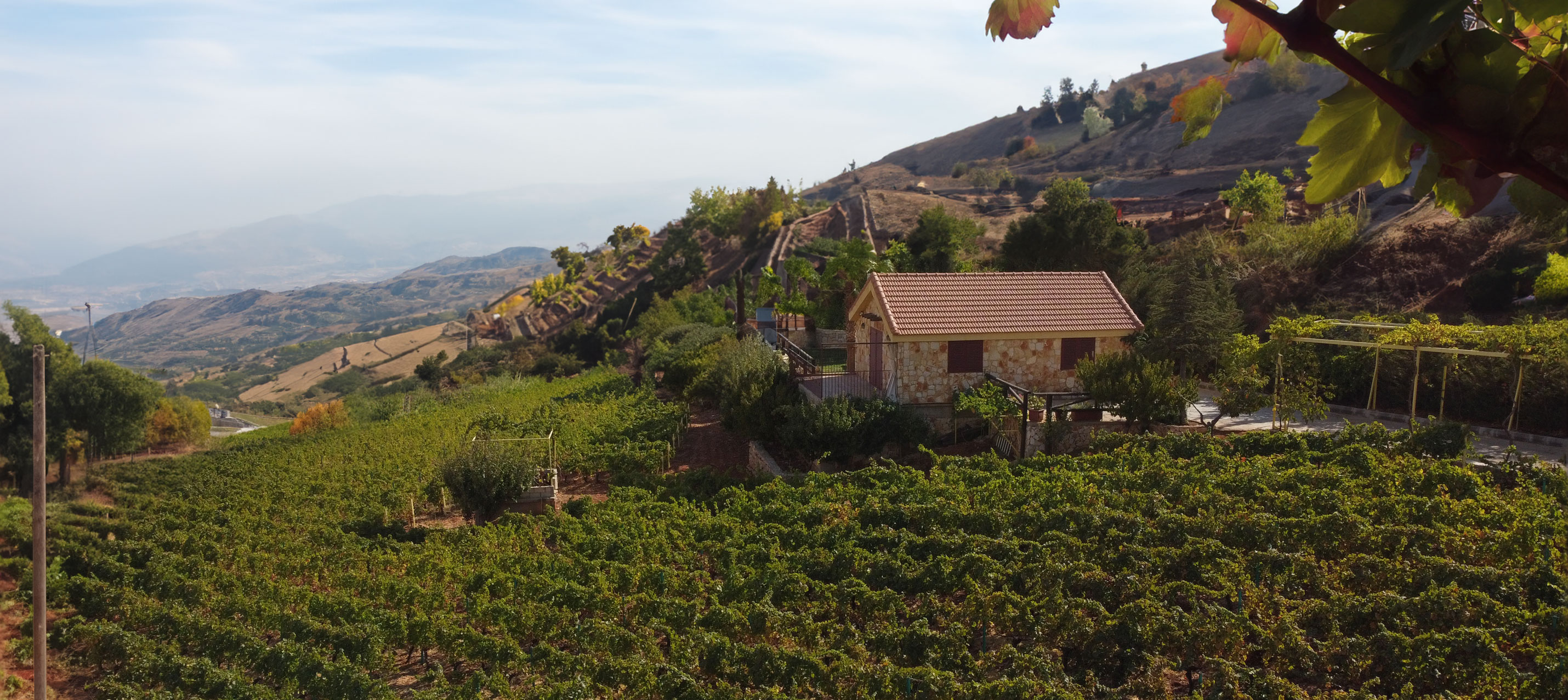
The grapes come from the Bekaa Valley around Zahlé and Dhour. Loam and limestone underpin vineyards at roughly 900 metres.
The brightness of Blanc Finesse is easy to place in this part of the Bekaa. The days offer ample warmth for ripe white-fruit flavours. At night, the vineyards cool, which can help the grapes retain acidity. That balance is particularly noticeable here because the wine stays light even as pineapple comes through on the palate.
Grapes and vineyards
The blend brings together Chardonnay and Viognier.
Using two varieties gives Coteaux du Liban room to work with different kinds of fruit flavour in a single dry white. In the finished wine, ripe white fruit is easiest to pick out on the nose. By contrast, the pineapple is clearer in the mouth, where the blend keeps a refreshing line through the finish.
Four months in new French oak
Chardonnay and Viognier make up the documented blend. The reference spent four months in new French oak. The cellar detail is clear, but the brief maturation leaves the tasting profile very much a matter of ripe fruit, palate weight and the fresh finish.
Development in the glass
The first impression of Blanc Finesse is ripe white fruit. Then look for the clearer pineapple character in the early part of the sip. It gives the wine plenty of flavour while preserving a distinctly light feel. The palate reads as refreshing throughout. Although there is a little extra breadth behind the fruit, the aromas are most useful for describing the individual pleasures of the wine.
The wine is dry, so the vivid smell of ripe fruit should not be confused with sweetness. It offers a useful combination for the first course: a fragrant nose and a palate light enough for the food.
A white for the opening courses
Serve with fish or seafood where a light palate is helpful. The white fruit keeps its shape against many smaller starters, while pineapple is easier to appreciate over an opening course. A few mezze give you the chance to find out which flavours bring out its tropical side. That can be more revealing than treating it only as a first glass.
 Starters
 Fish
 Seafood
 Mezze