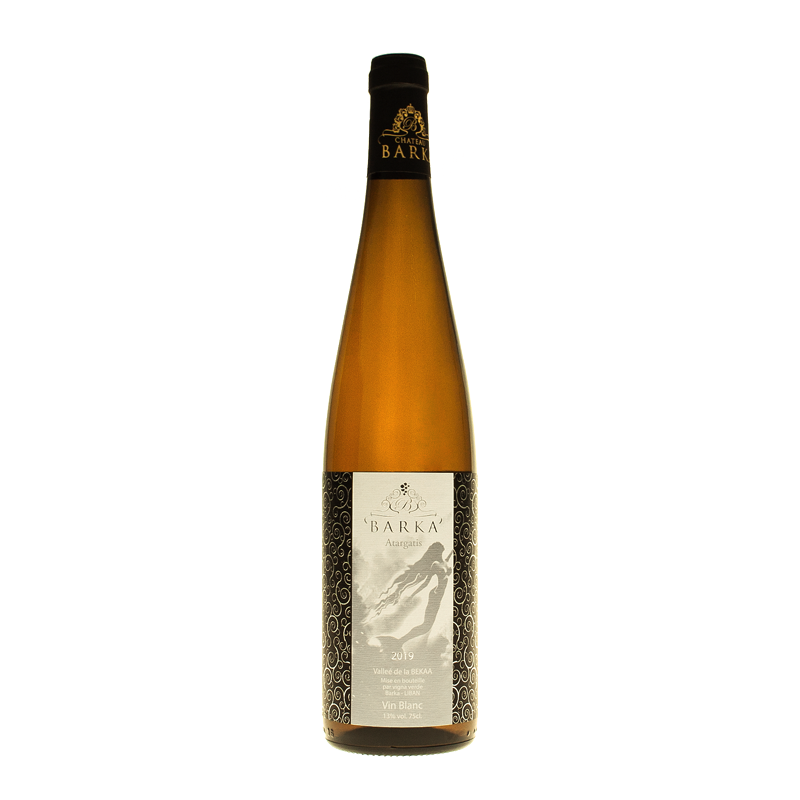
Atargatis from Château Barka
The white blend from Château Barka starts with a fresh scent of white fruit. Its texture is softer than the perfume suggests, but the acidity remains distinct. That combination of brightness and a velvety feel matters more than the apparent intensity of the aroma alone. Its clear, pale colour gives one impression as it is poured. Then a ripe, tropical note follows on the palate. Atargatis has enough acid to stay lively beside fish and mezze, while the rounder fruit works well with a mild goat’s cheese. Those are useful ways to draw out different qualities from the same white.
Tasting notes
Aromas
 Peach
 White fruit
 Exotic fruit
Style & mouthfeel
 Fresh
 Fruity
 Balanced acidity
 Floral
 Intense
 Velvety
 Exotic fruit
 Delicate
 Zesty
 Easy-drinking
 Balanced
 Lively
Vineyard origin
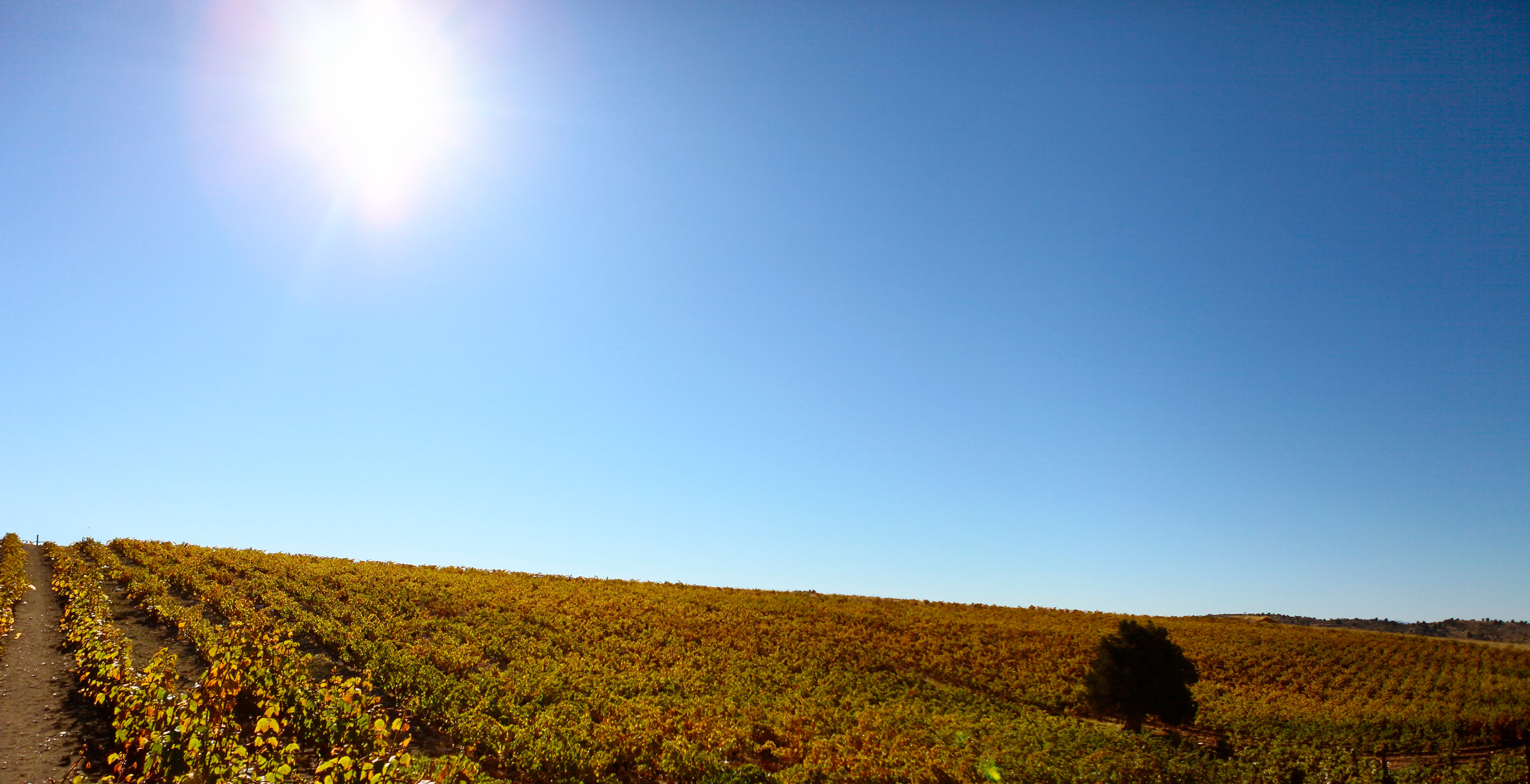
Atargatis comes from Barka, a high site in Lebanon's Bekaa Valley. The vines grow on loam and limestone at around 1,500 metres. During the day, warmth helps the aromatic grapes ripen. Then cooler conditions can slow the final stages. Here both pressures matter because the blend pairs generous peach fragrance with a fresher shape on the palate.
Grapes and vineyards
Château Barka follows Viognier, Sauvignon Blanc and Muscat à Petits Grains through ripening. Then the team chooses when to pick each variety. There are several kinds of ripeness in the glass, too. Start with peach and white fruit, while noting how the more exotic perfume opens. Then follow the fresher note that keeps those scents in balance.
Viognier, Sauvignon Blanc and Muscat à Petits Grains combine in the same Barka white. The trio gives a useful context for the range of aromas. Yet none of the source notes assigns a single flavour solely to one grape, so the blend remains the right level at which to describe them.
Character in the glass
The floral note in Atargatis is clearest before the first sip, alongside the fresher white fruit. Then the more exotic flavours come forward on the palate. There is a little breadth, while the acidity gives enough shape to prevent the fruit from feeling broad and indistinct. The balance makes it possible to notice both sides over the course of a meal. A more fragrant nose does not have to mean a heavier finish.
Look for the velvety impression on the middle of the palate, after the more floral nose. Then notice where the acidity comes through. It gives the tropical-fruit character a livelier finish and connects back to the white fruit.
At the table
Try Atargatis with fish or a small dish from a spread of mezze. A mild goat's cheese also works because the wine has enough freshness for the cheese's texture. With grilled poultry, its more exotic fruit has room to show. The wine can move between starters and a main course without losing the clear perfume that makes it distinctive.
 Mezze
 Grilled dishes
 Poultry
 Goat’s cheese
 Cheese
 Starters
 Fish
 Mild cheese