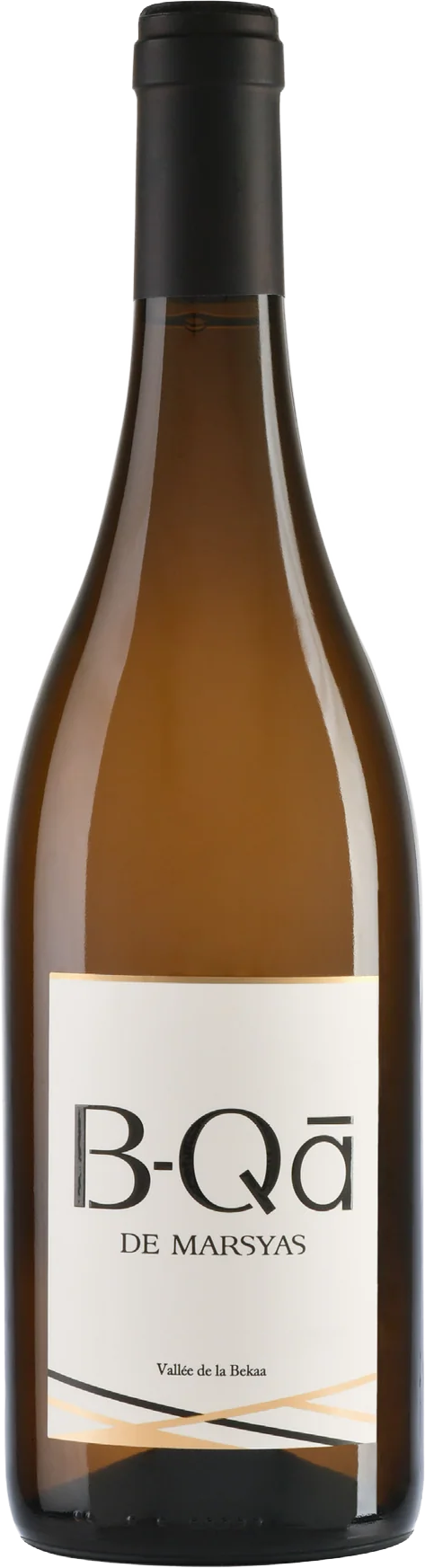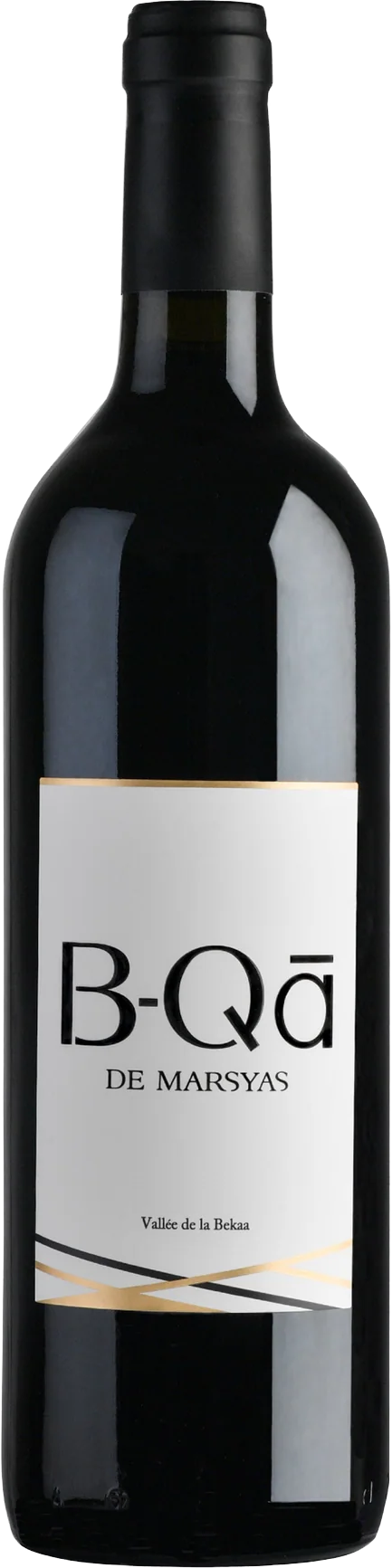
B-Qā Red from Château Marsyas
B-Qā Red shows what the B-Qā red can do with the estate's four-grape blend. Cabernet Sauvignon provides the largest share. Then Syrah, Merlot and Petit Verdot complete the composition. The winemaker's notes focus on the rounded tannins and a mineral impression. A quiet tasting makes sense for this wine, where the feel of the tannins matters just as much as the particular grape varieties.
Tasting notes
Style & mouthfeel
 Mineral
 Rounded tannins
 Balanced
 Elegant
From the Saadé family's Bekaa vineyards
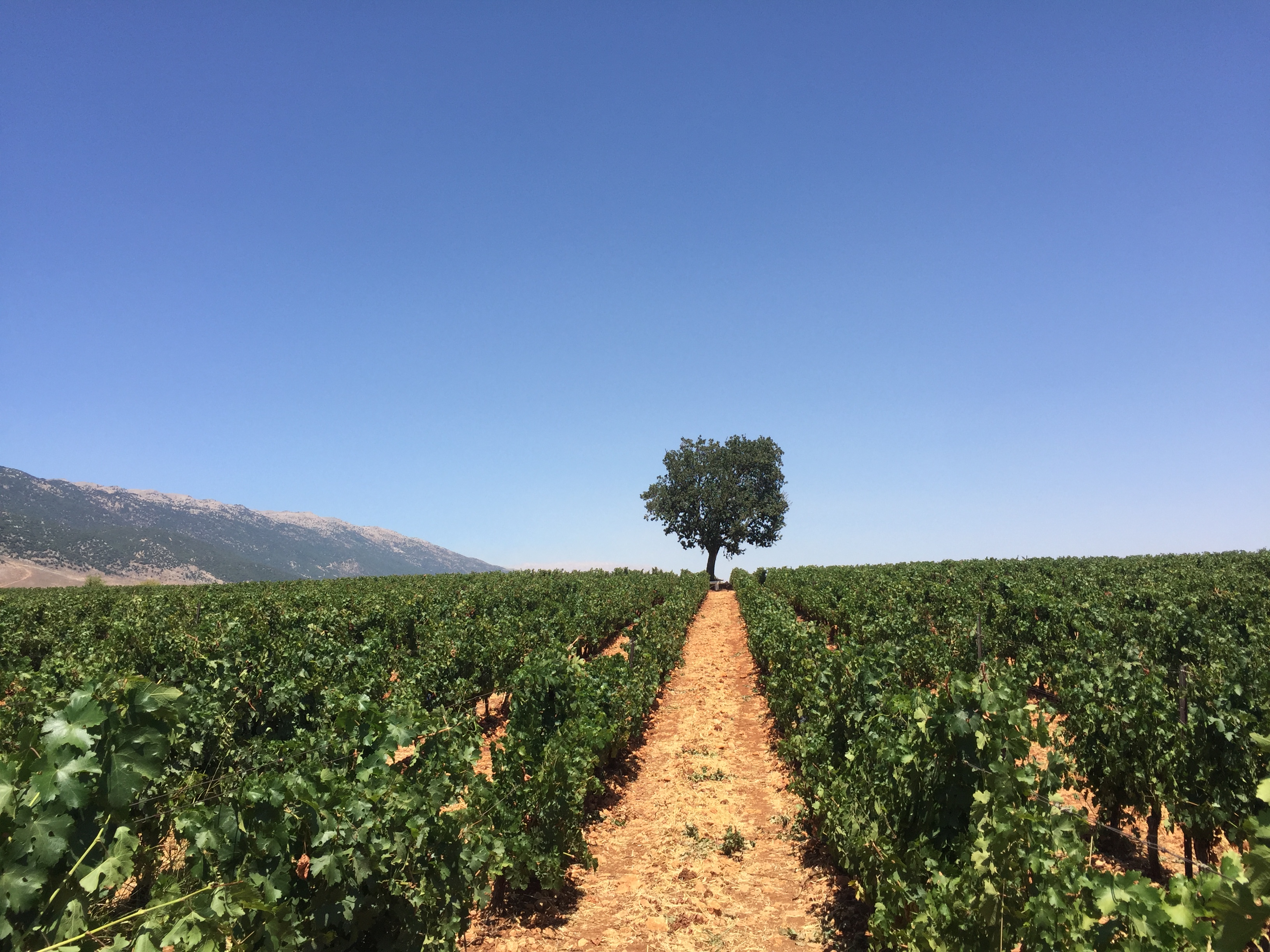
Château Marsyas belongs to the Saadé family and works in the Lebanese Bekaa Valley. The vineyard reference for the red is 900 metres. Its B-Qā fruit comes from younger parcels within the same vineyards that supply the estate's other wines. That gives it a clear relationship to the house while leaving room for its own blend and maturation. The winery highlights finesse and a mineral aspect as distinctive parts of this red's character.
A four-grape blend led by Cabernet Sauvignon
The documented composition gives Cabernet Sauvignon 65%, Syrah 20%, Merlot 10% and Petit Verdot 5%. The fractions make clear which grape leads B-Qā Red. At the same time, the variety list accounts for all four contributions within the intended blend. The house's main red involves a different set of proportions and includes Cabernet Franc. Put the two wines beside one another if you want to taste different ways of composing an estate red.
Eight months in barrel
The wine spends eight months in barrel. The producer describes the maturation as gentle and links it to rounding the tannins. That lets you read the texture as part of the story of the blend. After taking a sip, wait for the tannins to become perceptible before judging the overall palate. Look for the impression of roundness. The point here is how the wood ageing fits the balance rather than a specific wood aroma.
Rounded texture and a mineral impression
In the glass, the account puts texture first. B-Qā Red has rounded tannins, giving the palate a particular shape. Then pay attention to the mineral impression as the sip progresses. The producer uses the term finesse to describe how these elements support each other. You can make the idea more concrete by taking a second sip and comparing the opening texture with the finish. The structure is the clearest reference point described for this wine.
Mushrooms, braised vegetables and savoury pasta
A mushroom dish, braised vegetables or a hearty pasta are editorial suggestions for the table. They give you different ways to compare the rounded texture with cooked food. Start with a simple preparation if you want to taste the wine's mineral character clearly. Then move to a more strongly seasoned dish, where sauce and roasting can change the balance. The tannins are a useful reference for comparing the individual pairings.
 Mushroom dishes
 Vegetables
 Braised dishes
 Pasta