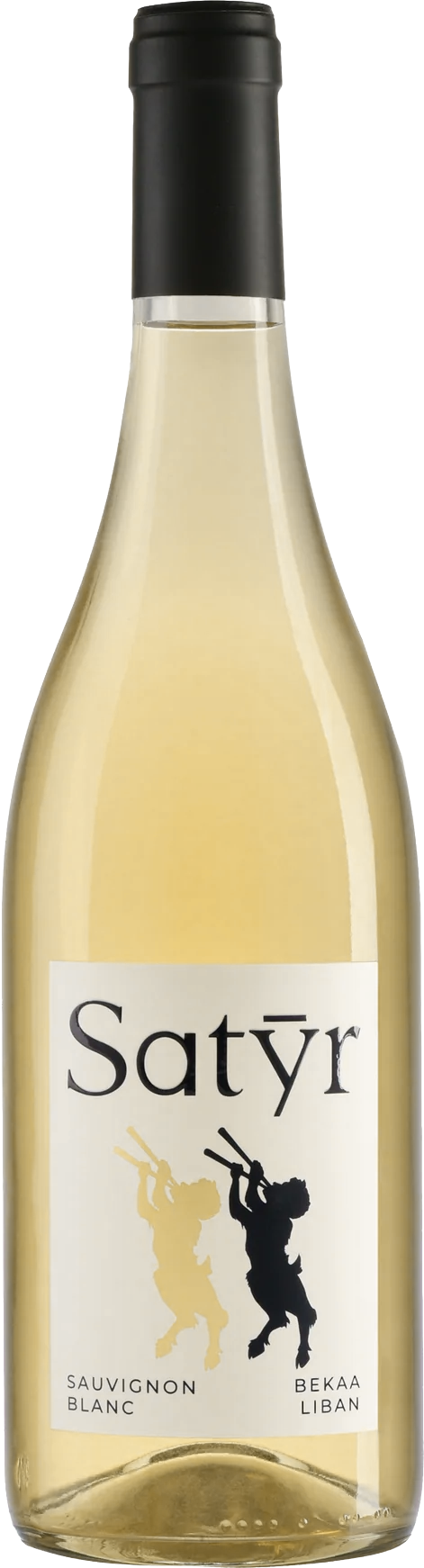
Satyr White from Château Marsyas
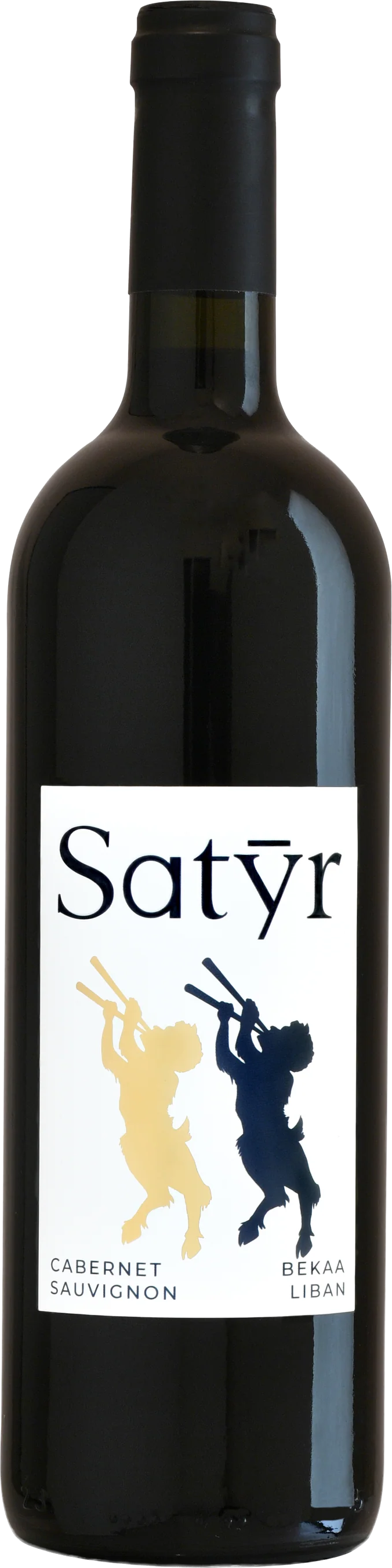
At Château Marsyas, Satyr White uses younger Sauvignon Blanc vines for a clear, dry white. Passion fruit and lychee bring ripe scents, while citrus makes the opening feel bright. The impression of summer flowers is lighter and quieter. Once you taste it, the acidity gives the wine its shape. That lift also helps explain its place among the estate's easygoing Satyr wines.
Tasting notes
Aromas
 Citrus fruit
 Passion fruit
 Lychee
 Summer flowers
 Exotic fruit
Style & mouthfeel
 Fresh
 Dry
 Mineral
 Crisp
 Lively
 Floral
 Fruity
 Approachable
 Exotic fruit
 Direct
The Saadé family's Bekaa Valley estate
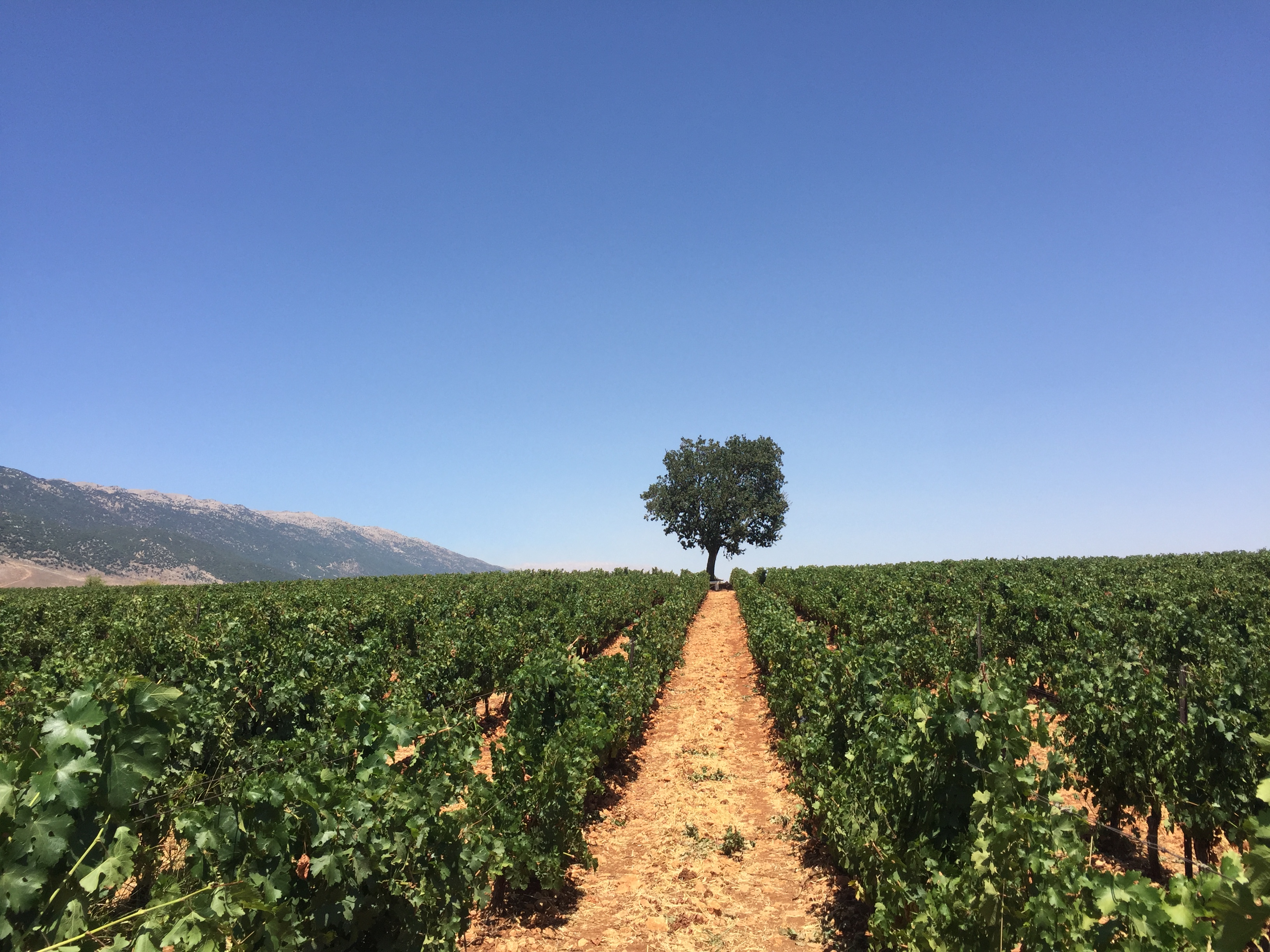
The documented vineyards are in the Bekaa Valley at 900 metres. Château Marsyas is the Saadé family's estate in Lebanon. Satyr is the name for a range that shows a more immediately accessible side of the winery. Its name refers to the mythological satyr, a figure associated with the god of wine. That playful reference sets a tone for the range, while Sauvignon Blanc gives this white a particular aromatic identity.
Younger Sauvignon Blanc vines
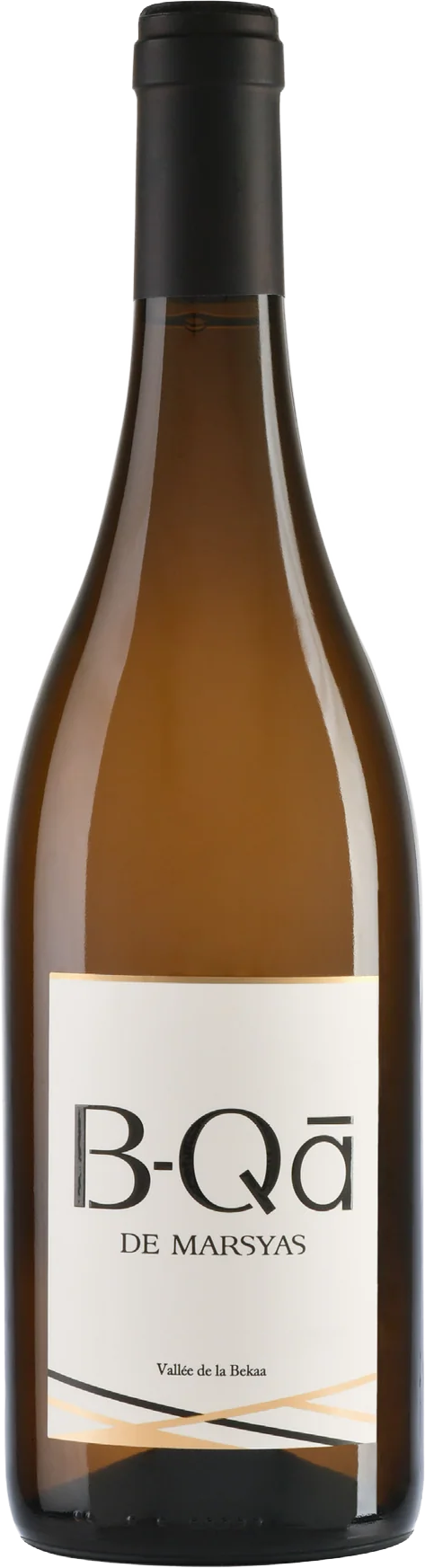
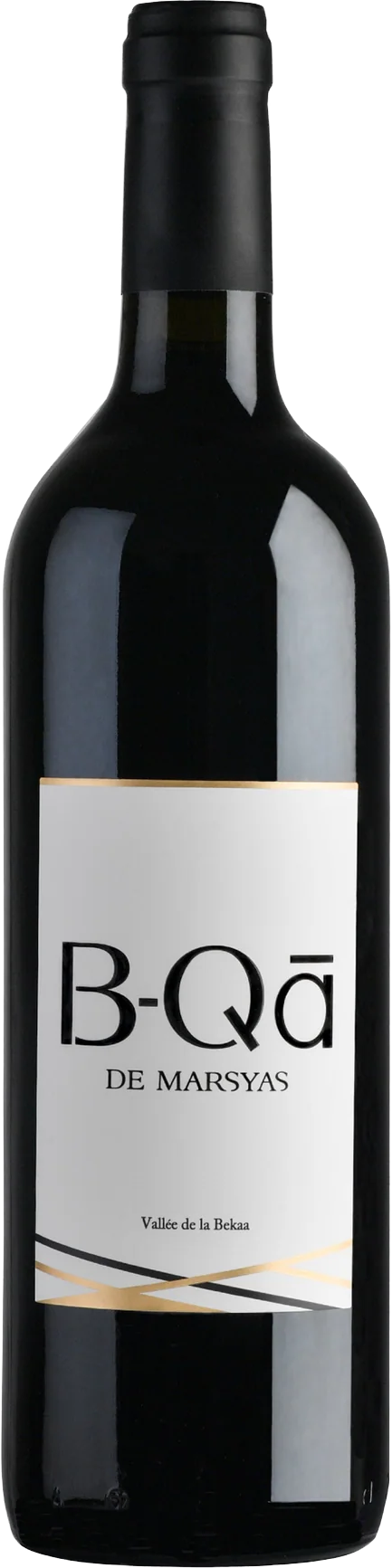
Satyr White comes from younger vines and consists entirely of Sauvignon Blanc. A tasting alongside the estate's B-Qā White makes useful sense here. Both use Sauvignon Blanc, but B-Qā also contains Chardonnay. In the Satyr bottling, citrus and tropical fruit sit alongside one another in a single-variety wine. Then the floral notes open another part of the aroma. The younger vines describe where the fruit comes from within the estate.
Stainless steel and an unoaked style
The producer matures the white in stainless steel. That neutral vessel fits the aim of giving fruit and acidity a clear voice. There is no oak barrel maturation in the stated approach. First notice how expressive the ripe fruit smells. Then judge how refreshing the wine tastes against that aroma. Those sensations can coexist, since an impression of lychee in the nose tells you something different from the dryness you experience in the first sip.
Aromas and acidity in the glass
With Satyr White, smell for citrus before following the sweeter scent of lychee and passion fruit. Summer flowers sit behind those notes and are worth a second pass. On the palate, a bright line of acidity brings the focus back to freshness. Then a mineral impression adds a savoury contrast to the fruit. Taste again after taking a breath and compare what remains on the palate with the floral part of the nose.
Seafood, mild cheese and the aperitif
As an aperitif, the wine gives citrus and tropical fruit room to show on their own. Seafood is another suggestion in the source. A gently seasoned seafood dish makes the acidity particularly easy to follow. Meanwhile, a mild cheese offers a softer texture to taste beside the white. Compare a bite of each on the same table if you like. It is a useful way to see whether the fruit, flowers or fresher mineral side stands out more.
 Aperitif
 Seafood
 Light cheeses
 Cheese