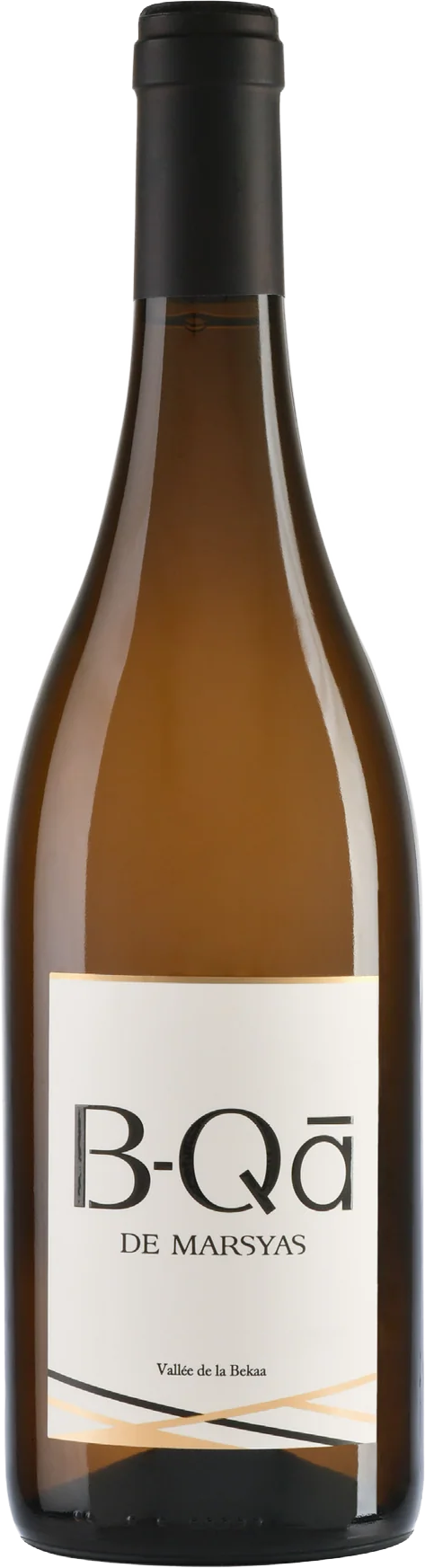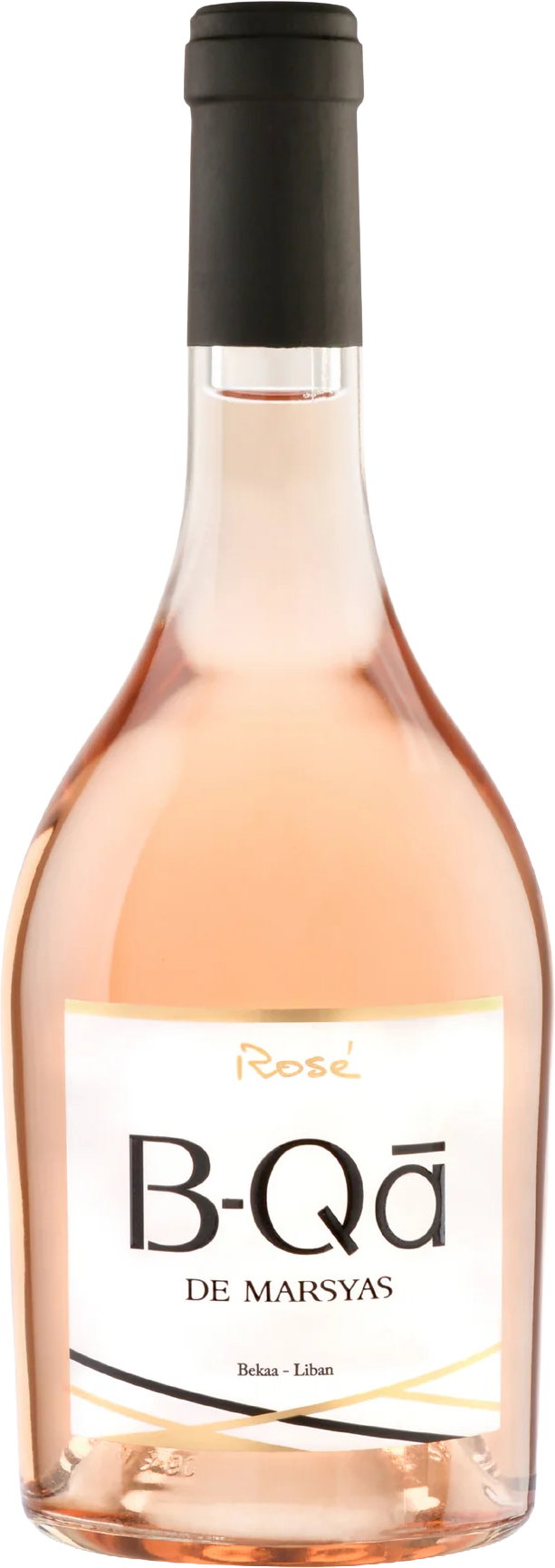
B-Qā Rosé from Château Marsyas
B-Qā Rosé expands the B-Qā line into rosé with a wine made entirely from Mourvèdre. Its salmon-pink colour gives way to rose scent, then to strawberry and currant. On the palate, bright acidity makes the rosé feel fresh. The interest here is in the constant interplay between floral notes and fruit, which are equally worth following when you taste it.
Tasting notes
Aromas
 Rose
 Strawberry
 Currant
Style & mouthfeel
 Fresh
 Elegant
 Lively
 Fruity
 Floral
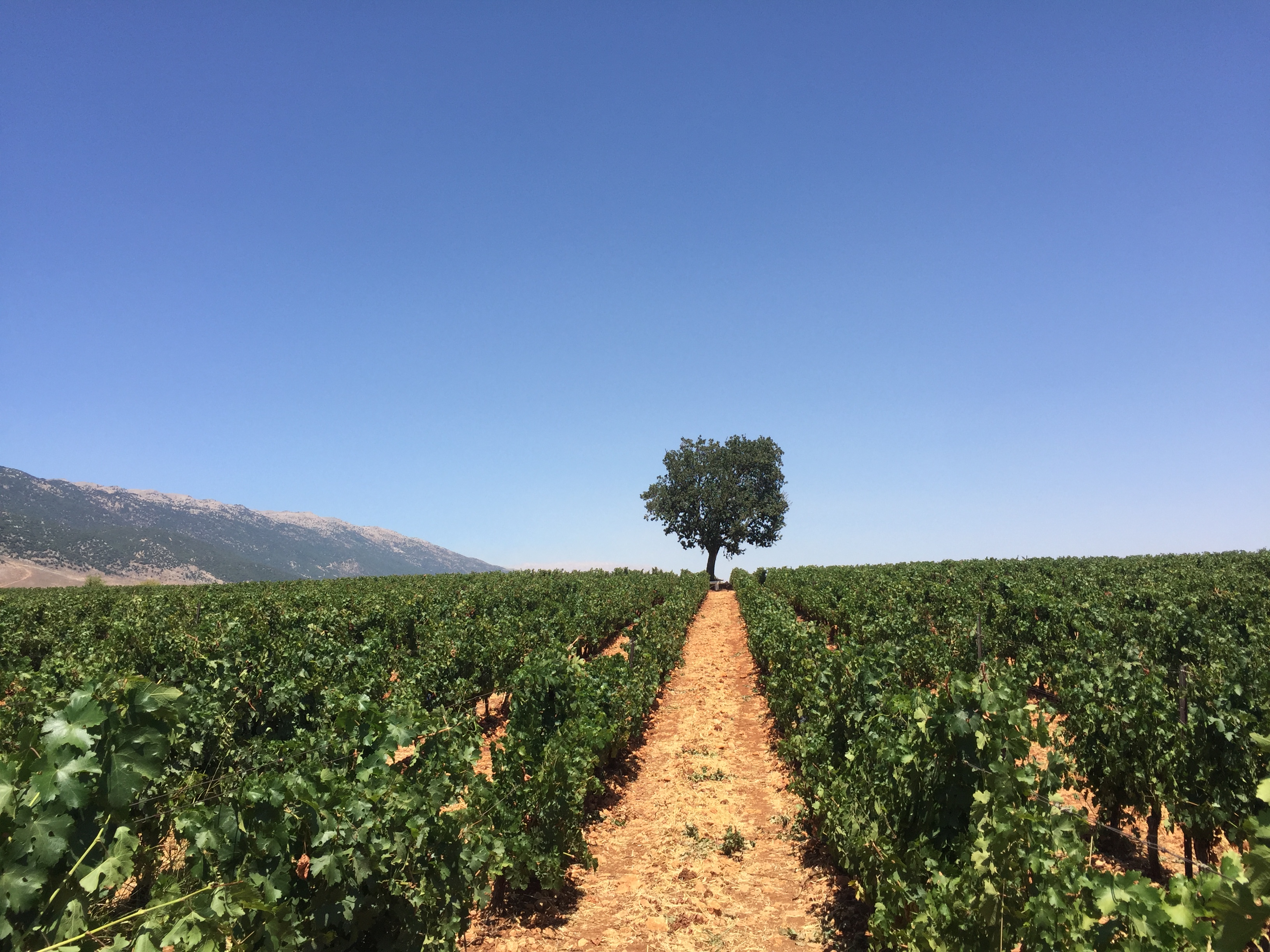
Château Marsyas in the Bekaa Valley
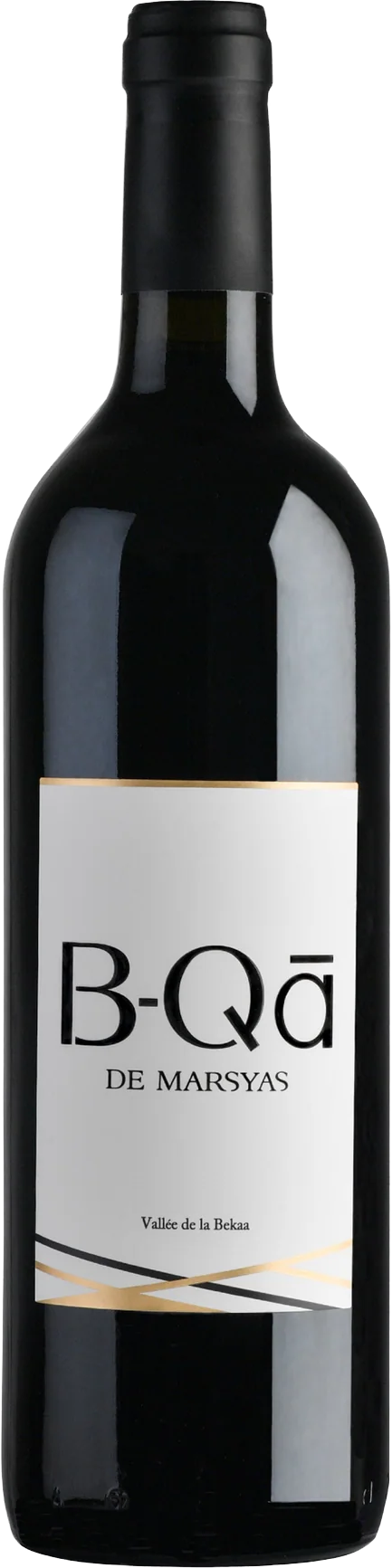
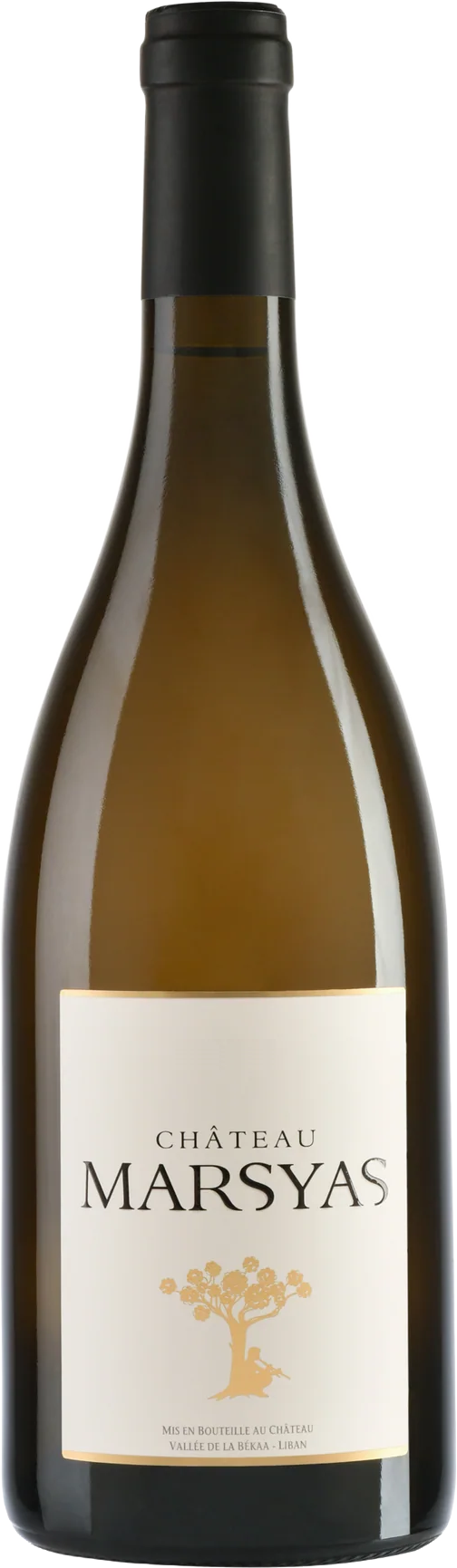
The documented vineyard setting is the Bekaa Valley at about 900 metres. The Saadé family makes the B-Qā wines at Château Marsyas. White, rosé and red all belong to that range, and this pale wine has a clear identity within it. Place the rosé next to the white and red for a short comparison. The shared estate is a useful frame, while the fruit, colour and structure give each wine distinct points of reference.
Mourvèdre on its own
Unlike the red and white B-Qā blends, B-Qā Rosé consists of one variety. The grape is Mourvèdre, and the wine style is rosé. That distinction is useful when looking at colour in the glass. A red grape variety can supply the material for this salmon-pink wine. What matters at the tasting stage is how the rose scent, currant and strawberry work together, alongside the freshness provided by its acidity.
Freshness and acidity on the palate
The producer's account emphasises a fresh, elegant style. The acidity keeps the flavour lively while the floral aroma and berry fruit provide the wine's softer accents. You can compare those two things over the course of a sip. First taste for the fruit you noticed on the nose. Then follow the fresh impression as the flavours settle. That is a more precise description of the wine's character than relying on its pale colour alone.
Roses, strawberries and currants
The salmon shade is easy to recognise before the first smell of the wine. B-Qā Rosé then brings rose scent alongside strawberry and currant. Smell again and see whether strawberry seems the rounder note while the currant tastes brighter. The producer describes those aromas with acidity as the main structure on the palate. That combination gives the rosé a lively quality without losing its floral side. In the finish, notice whether the fruit or the freshness remains clearer.
Salad, mild vegetable quiche and mezze
The editorial pairing suggestions include a summer salad, mild vegetable quiche and small mezze. Start with relatively gentle seasoning if you want to keep the rose scent easy to detect. Then see how the wine changes with a more assertive dressing or the roasted flavours of the quiche. The acidity gives each combination a common point of comparison. A table of small plates makes it easy to test the different matches in succession.
 Salad
 Quiche
 Mezze