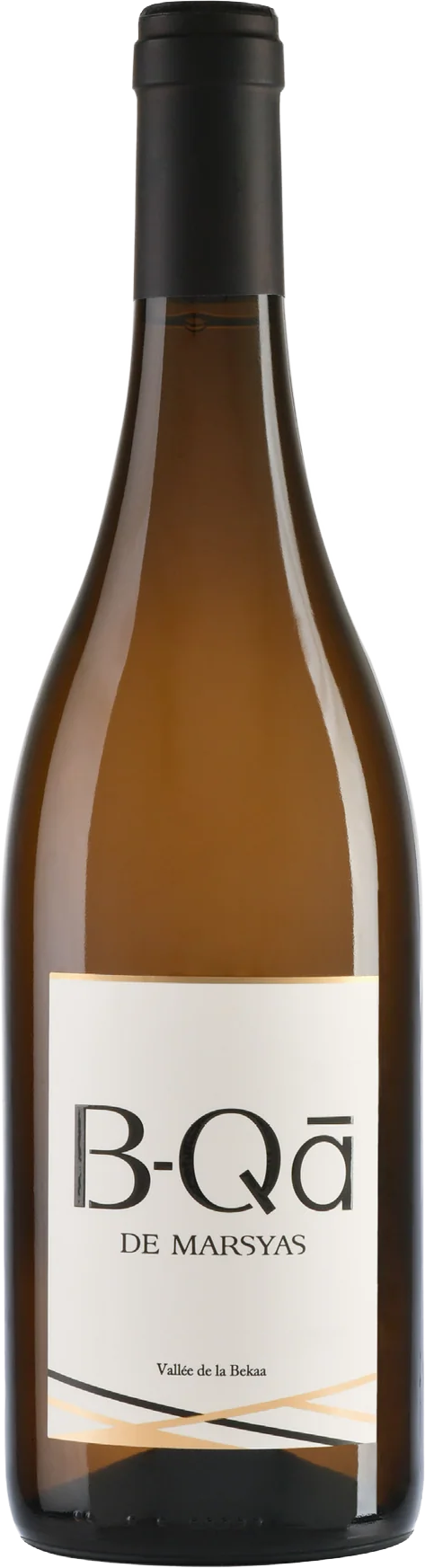
B-Qā White from Château Marsyas
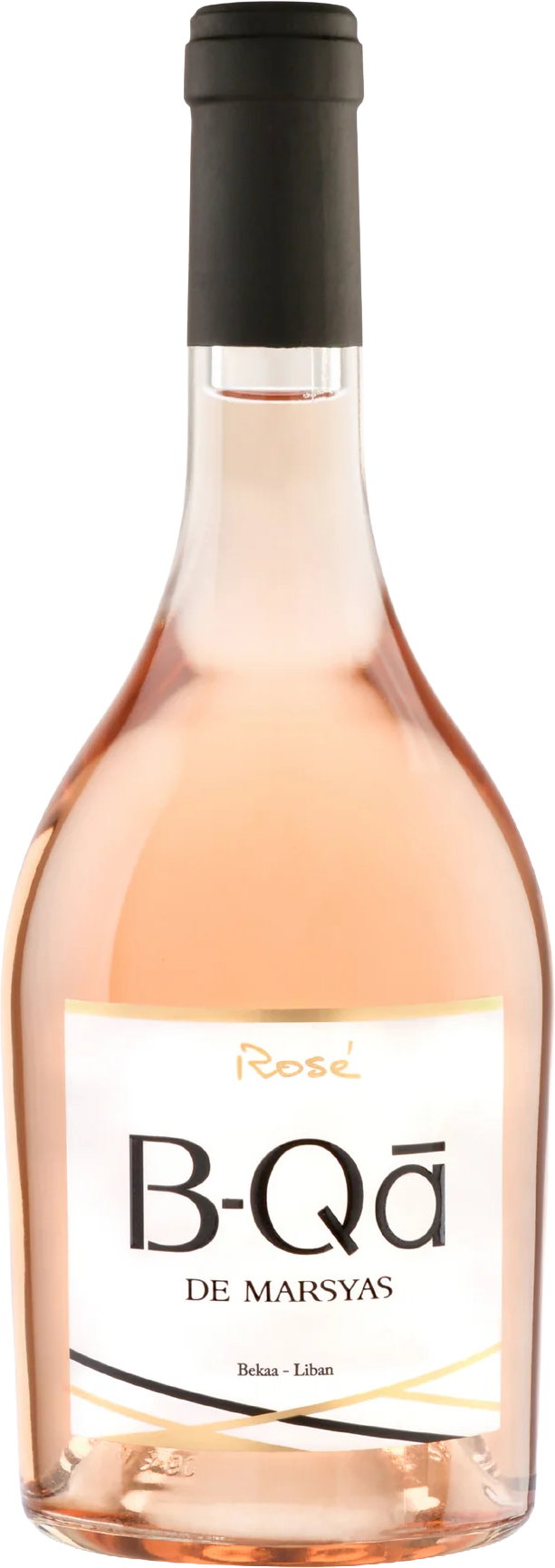
In B-Qā White, an expressive nose meets a palate with clear acidity and a long mineral finish. The fruit starts in a broad register of white and exotic fruit. Then the mouthfeel makes freshness the main point of interest. That progression sums up the style of the white B-Qā and makes it a useful counterpart to the simpler question of how the wine smells.
Tasting notes
Aromas
 White fruit
Style & mouthfeel
 Fresh
 Elegant
 Mineral
 Exotic fruit
 Persistent finish
 Lively
The Bekaa origin of B-Qā
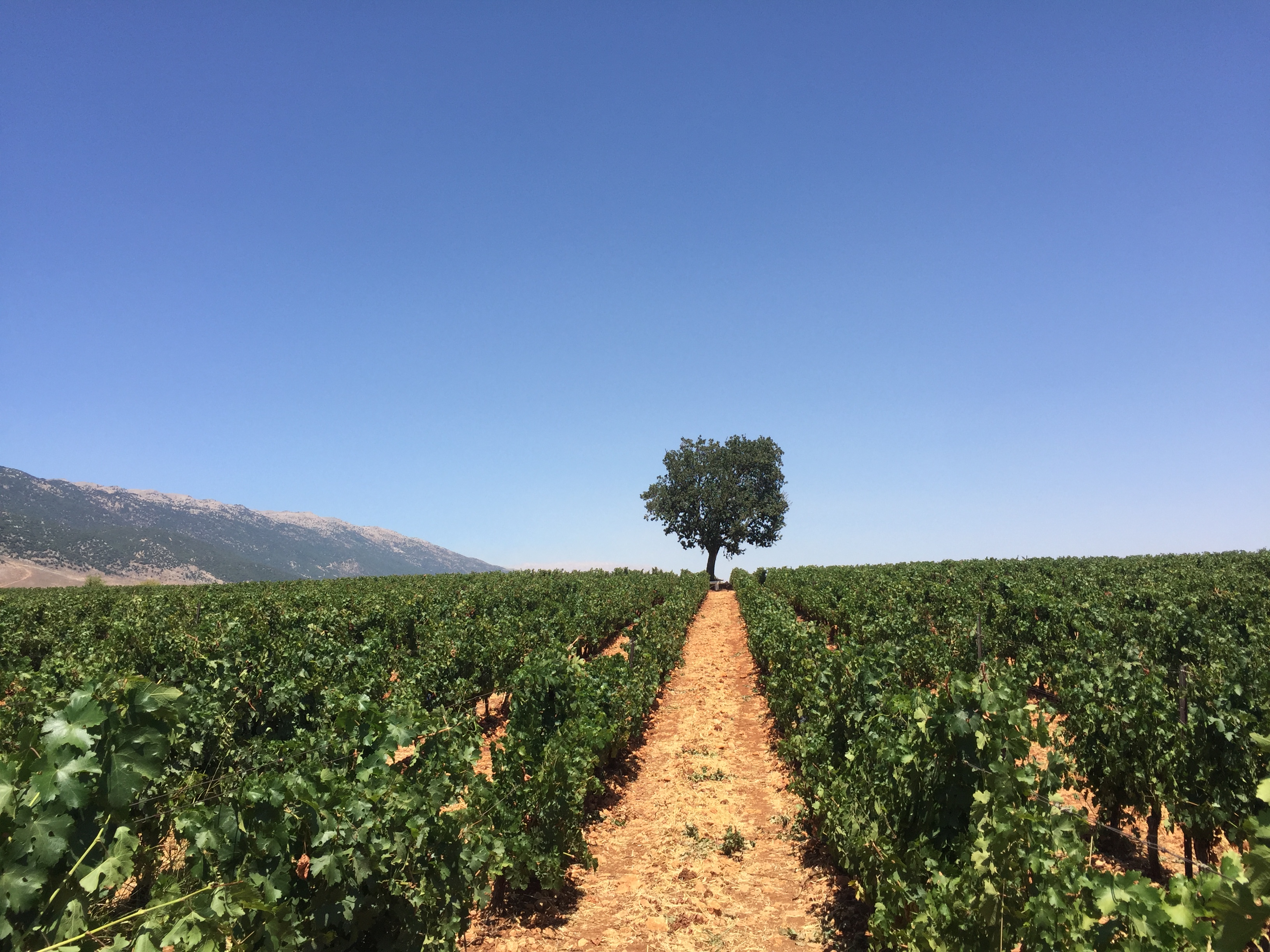
Château Marsyas is the Saadé family's estate in Lebanon's Bekaa Valley. This white draws on vineyards at about 900 metres. The B-Qā line represents a selection from the same vineyards as other Marsyas wines. Here the character the producer highlights is fresh and mineral, with finesse. Those tasting terms give you a way to discuss the blend. The land and the choice of parcels explain its origin within the range.
Younger parcels and two varieties
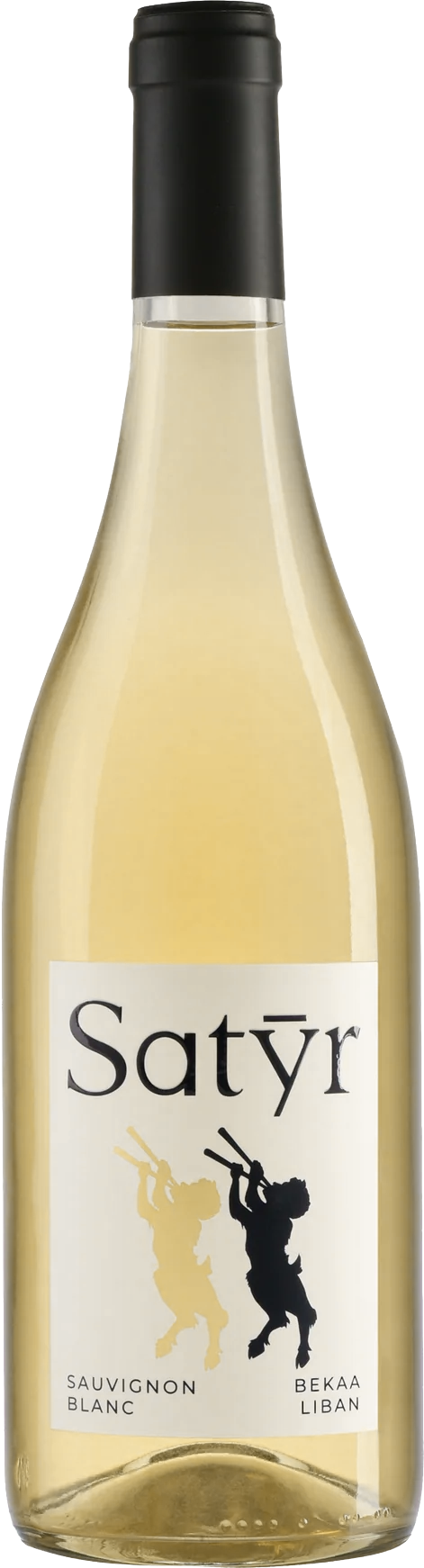
The fruit comes from younger parcels in the Château Marsyas vineyards. Sauvignon Blanc contributes 80% and Chardonnay 20% to the documented blend. That makes B-Qā White a good wine for tasting beside the single-variety Satyr White. Both focus on freshness, while the B-Qā puts the greater share of Sauvignon Blanc together with Chardonnay. It is easier to follow how the two act together in the blend than to assign every particular scent to a grape.
Tasting the blend in stages
The available account focuses on the character of the blend. For a closer tasting, pay attention to where the aroma ends and the palate first begins to feel lively. The ripe, exotic side of the bouquet can give you a different expectation from the lively acidity of the first sip. Then the mineral aspect comes into focus towards the end. These changes in impression give a useful structure to a tasting without assuming an ageing regime from the wine's aromas.
White fruit and a lasting mineral note
In the glass, B-Qā White appears clear with greenish reflections. The white fruit meets a more exotic scent on the nose. Those are broad tasting descriptions. On the palate, the acidity gives a clearer sensation, keeping the wine fresh as the aromatics settle. A mineral finish continues after the initial fruit. Then you can compare its length with the bright impression on the first sip. It is the progression between them that gives the wine finesse.
Grilled fish, mezze and lighter cheese
The wine can begin a meal as an aperitif. At the table, the suggested matches include grilled fish, seafood and Lebanese mezze. Goat's cheese and other mild cheeses offer further options, alongside charcuterie, pasta and pizza. For a short comparison, try a little mezze before the fish. Then notice whether the acidity or the mineral finish becomes the clearer link between the wine and the dish as seasonings and textures change.
 Aperitif
 Charcuterie
 Grilled dishes
 Seafood
 Mezze
 Light cheeses
 Goat’s cheese
 Pasta
 Pizza
 Fish
 Cheese
 Cold cuts