Riesling from Batroun Mountains
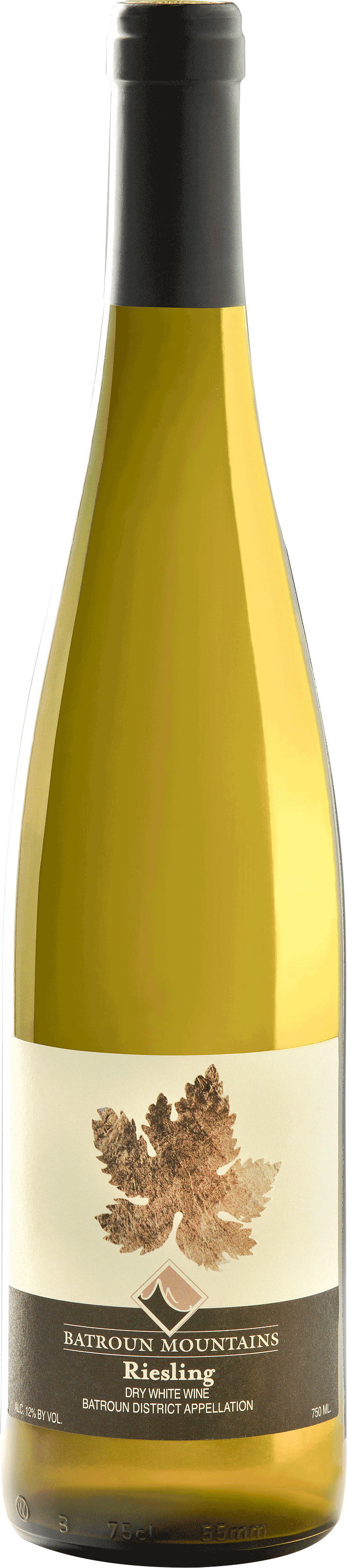
Riesling from Batroun Mountains has a clear fruit profile with a savoury edge. Pear and peach arrive first, followed by white flowers, herbs and white pepper. The dry taste and lively acidity bring precision to the bouquet. Meanwhile, ageing on the lees adds another dimension to the texture. The finish is long and crisp, leaving a different impression from the softer fruit in the first sip.
Tasting notes
Aromas
 White flowers
 Pear
 Peach
 Herbs
 White pepper
 Yellow fruit
 Fresh fruit
Style & mouthfeel
 Dry
 Fresh
 Crisp
 Persistent finish
 Lively
 Expressive
 Herbal
 Floral
 Spicy
Kfour El Arabe at 1,500 metres
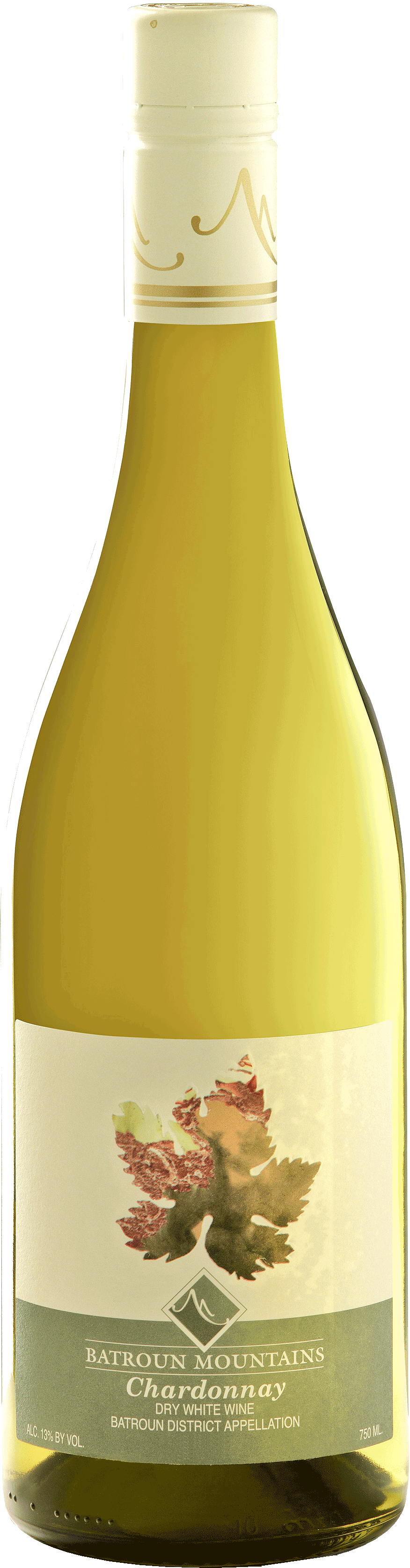
The grapes come from Kfour El Arabe in the mountains above Batroun. The producer also writes the place name Kfour El Arabi in its own description. Both forms accompany an elevation of 1,500 metres. The geographic setting is useful when comparing this wine with the estate’s Chardonnay, which comes from a slightly lower stated elevation. In the glass, the Riesling has its own profile of pear, white flower and a particularly lively line of acidity.
One variety from the estate vineyards
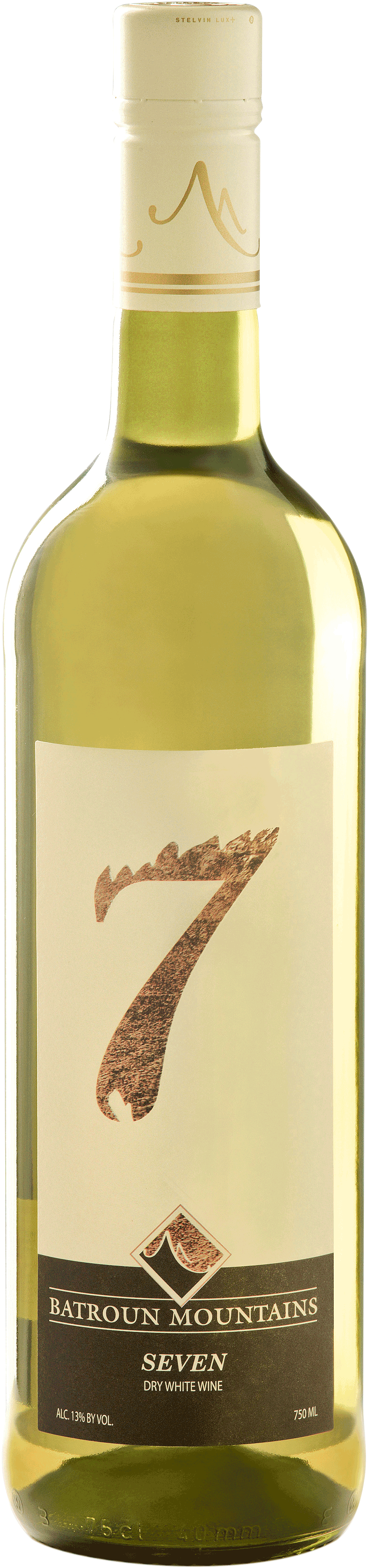
Batroun Mountains uses Riesling alone. The producer says the fruit grows organically in its own vineyards. So the grape has the entire blend to itself here, which makes this an instructive comparison with Seven. In that dry white, Riesling is one of seven named grapes. In this bottling, by contrast, the floral aroma and the white pepper sit beside a clearly defined pear and peach profile. The variety and the place are both part of the wine’s identity.
Six months on the lees
The wine spends six months on the lees. The winery describes this aspect as Burgundian in style and uses it to add density and complexity. Lees are the sediment that remains after fermentation. Continued contact can build texture while leaving acidity as a distinct sensation on the palate. Here the documented six months help explain why the wine feels more substantial than its first fresh impression suggests. The final taste still has the crispness described by the producer.
Orchard fruit through a long, fresh finish
On the nose, pear and peach provide a soft entry into the wine. Then the floral notes become more apparent, along with the herbal and pepper accents. A sip of Riesling makes the dry style immediately clear. Its freshness carries the fruit through the middle of the palate, while the lees contact gives the texture more presence. The long finish keeps that balance intact, with acidity and spice giving shape to the softer fruit notes.
Seafood, citrus salads and spiced cooking
The winery suggests seafood carpaccio, sushi and grilled octopus. Each lets you try the dry freshness of the wine against a different texture. Riesling also goes with a citrus salad, where the fruit and acidity can work alongside the dressing. Try it with goat’s cheese if the meal includes a cheese course. The producer also singles out spicy Asian dishes. In that setting, the fruit can stand alongside the seasoning while the crisp finish refreshes the palate.
 Seafood carpaccio
 Grilled octopus
 Hot and spicy Asian dishes
 Sushi
 Goat’s cheese
 Citrus salad
 Seafood
 Grilled dishes
 Cheese
 Salad
 Asian dishes