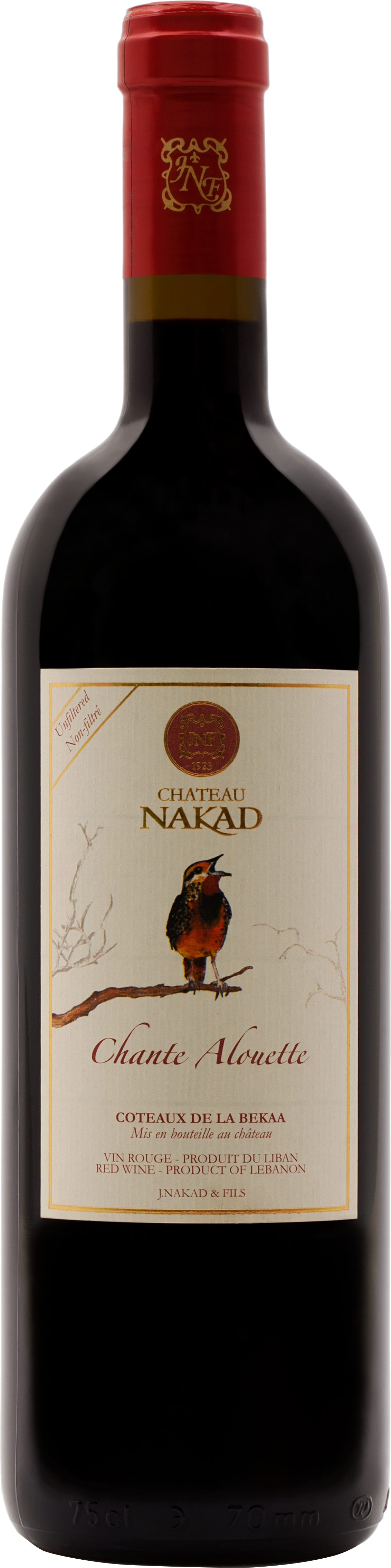
Cuvée L’Alouette from Château Nakad
Cuvée L’Alouette has a bright side to its dark garnet colour. Berry fruit is clear on the nose, and the soft tannins make the palate supple. Its name adds a more playful detail. An alouette is a lark, and Château Nakad connects the name and label to a childhood memory at the cellar. The wine also appears under the name Chante Alouette.
Tasting notes
Aromas
 Berries
Style & mouthfeel
 Intense
 Lively
 Fruity
 Supple
 Balanced
 Soft tannins
 Ripe tannins
 Approachable
The hills of the Bekaa and a story from the garden
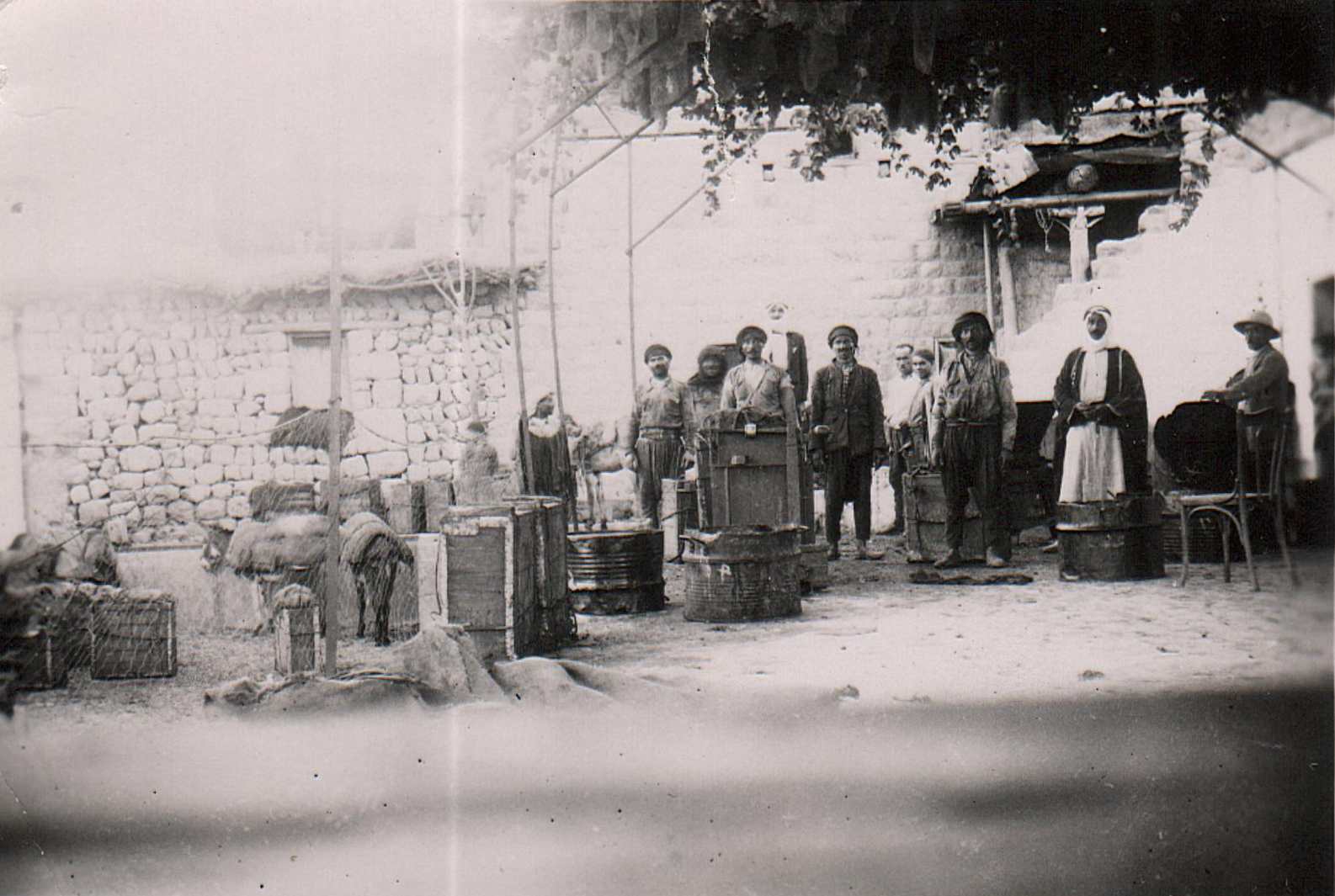
The three red grapes come from the Bekaa Hills at a recorded elevation of 900 metres. The story behind the name takes place at the winery itself. A child was helping his father in the cellar in autumn. Then a bird fell from a pomegranate tree. The child ran to help. His father explained that the bird had eaten fermented fruit and needed a rest. Later it woke and flew back into the tree.
Cinsault, Cabernet Sauvignon and Carignan
The blend brings these three varieties together. In Cuvée L’Alouette, their shared outcome is best judged by the relation between the berry aroma and the texture. Cabernet Sauvignon is only one of the grapes in the finished wine. So the softness of the palate matters as much as the list of varieties when comparing it with another Bekaa red. Cinsault and Carignan complete a composition that the estate describes through the ripe fruit and lively character.
Ripe tannins and a supple palate
The tasting account puts the character of the tannins in the foreground. They feel notably ripe and soft. Then the lively quality of the palate provides a contrast with the softness. Each impression is worth considering independently. Take a small sip first, and wait until the fruit fades a little. Afterwards, the feeling the tannins leave gives you another angle on the wine's balance.
Berry fruit in a garnet red
The colour of Cuvée L’Alouette is garnet, and a clearly defined berry scent follows. At first the aroma is intense, though the estate describes it as fine as well. On the palate, the red stays fruity and supple. The ripe tannins are a supporting part of that impression. Compare the intensity of the nose with the softness of the first sip. Then notice how long the berry character keeps its place as the flavours settle.
With vegetables, pasta or a lightly seasoned braise
A pan of vegetables or a savoury pasta dish makes a useful partner for this fruit-led red. A mild braise is another editorial suggestion. Start with whichever dish lets you taste the berry fruit distinctly. Then compare it next to a different preparation or sauce. The soft tannins offer a constant reference between the pairings. That makes it easier to decide whether you prefer the red with a warm vegetable course or something more substantial.
 Vegetables
 Pasta
 Braised dishes