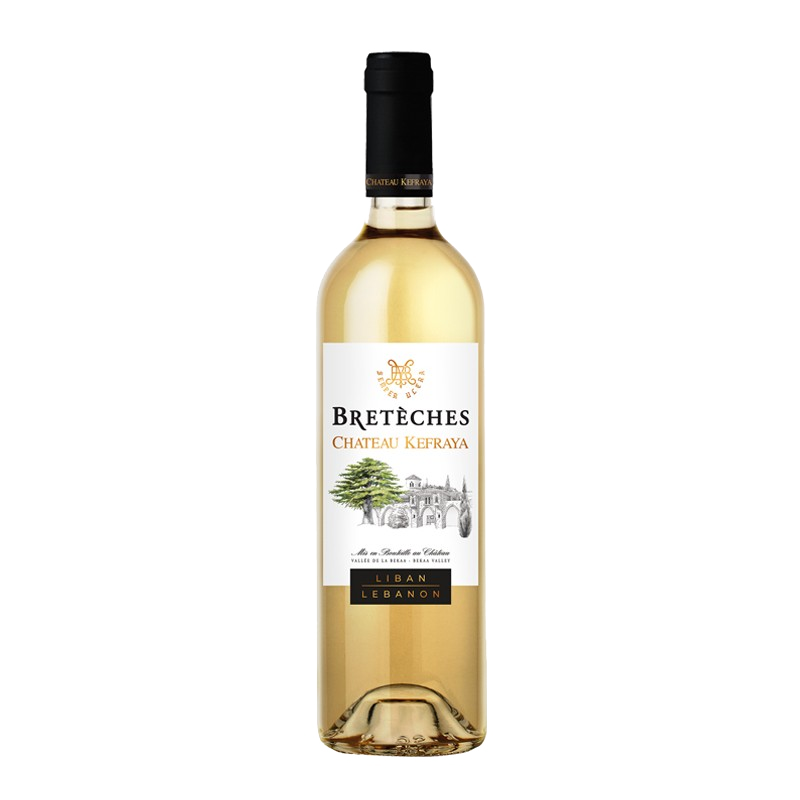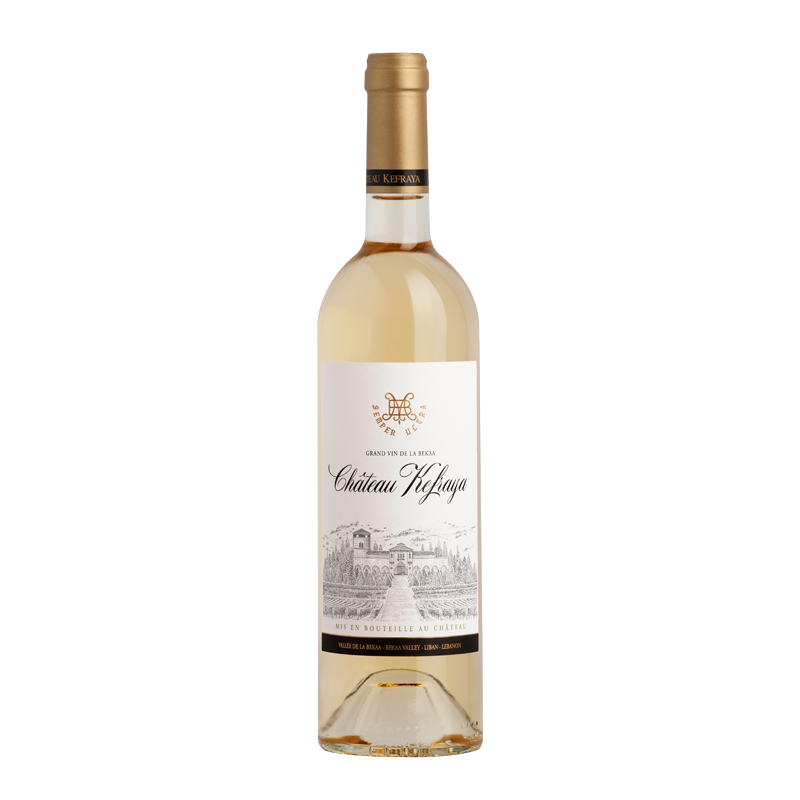
Le Chateau Blanc from Château Kefraya
Le Chateau Blanc moves from a lighter, more mineral opening to riper yellow fruit. Its wood note is most useful as a finishing detail. It has a place in the description, but the wine's lively palate provides the clearest starting point. A useful tasting comparison is between the shape of the first sip and the rounder middle. Here the white fruit introduces the change. Then the finish gives the quieter oak note enough space to sit beside the more mineral edge.
Tasting notes
Aromas
 White fruit
 Wood
 Yellow fruit
Style & mouthfeel
 Fruity
 Dry
 Distinctive
 Elegant
 Charming
 Mineral
 Harmonious
 Persistent finish
 Balanced
 Fresh
 Lively
Vineyard origin
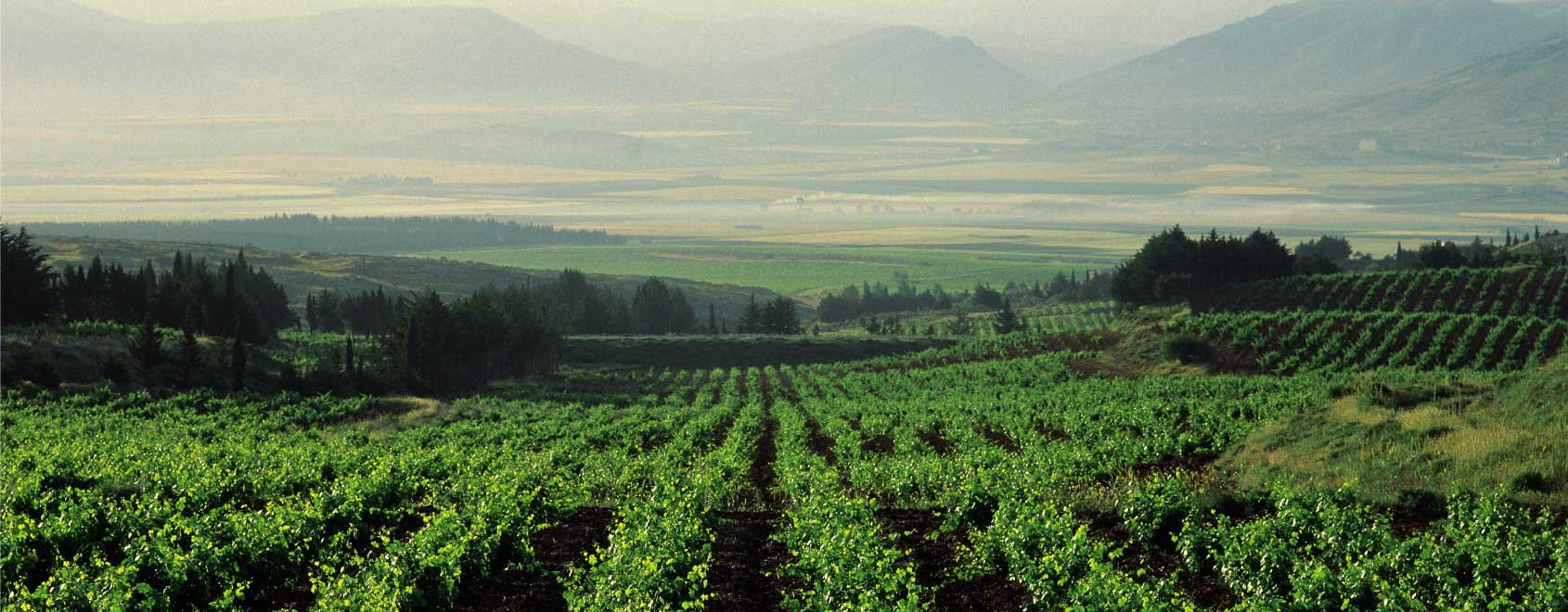
Château Kefraya's vines for this blend occupy sites around Zahlé and Kefraya in the Bekaa Valley. They stand at around 1,000 metres, on soils with limestone and loam. Warm days can build the yellow-fruit side of the aroma. Then cooler nights help the bunches retain acidity. That balance is useful here because the palate has to carry fruit and a distinctly woody note together.
Grapes and vineyards
The estate follows Chardonnay and Viognier as the grapes approach harvest. Then the cellar combines both varieties in the white blend. The fruit alone gives two different impressions. Start with the white-fruit scent, while the warmer yellow fruit becomes easier to recognise as it opens. Those changes make it easier to judge how much of the texture comes across as ripe fruit and how much registers as oak.
Winemaking and maturation
The reference spent six months in French barriques. That gives the wood note a separate practical context. Yet the contrast between mineral white fruit and the riper yellow flavours is a better guide to the whole palate than any single cellar detail.
Character in the glass
First, the white fruit gives the nose a clean and fairly restrained shape. Then the yellow fruit broadens the flavour on the palate. The mineral quality stays more apparent alongside that weight than alongside the final hint of wood. Le Chateau Blanc works through these changes with a sense of harmony. So the extended finish has room for both the riper fruit and the quieter trace of barrel.
Fruit and mineral notes hold the centre of the palate. Oak registers most clearly as a light, lasting note on the finish.
The profile records a dry wine. That is useful when comparing the impression of ripe yellow fruit with the clearer, mineral start of the sip.
At the table
Mussels in white wine are a well-evidenced option. The freshness helps Le Chateau Blanc hold up beside shellfish, while the ripe fruit has enough weight for grilled fish or white meat. If you plan to serve mezze, begin with the lighter dishes. Keep the more substantial fish or grilled preparations for when the wine's yellow fruit comes forward.
 Mussels in white wine
 Grilled dishes
 White meat
 Fish
 Mezze
 Starters